A considered furnishing plan for Ocean 580 begins before the first crate arrives. This buyer’s audit separates customs release, off-site storage, building access, and insurance into distinct decisions, with written confirmations at every handover.
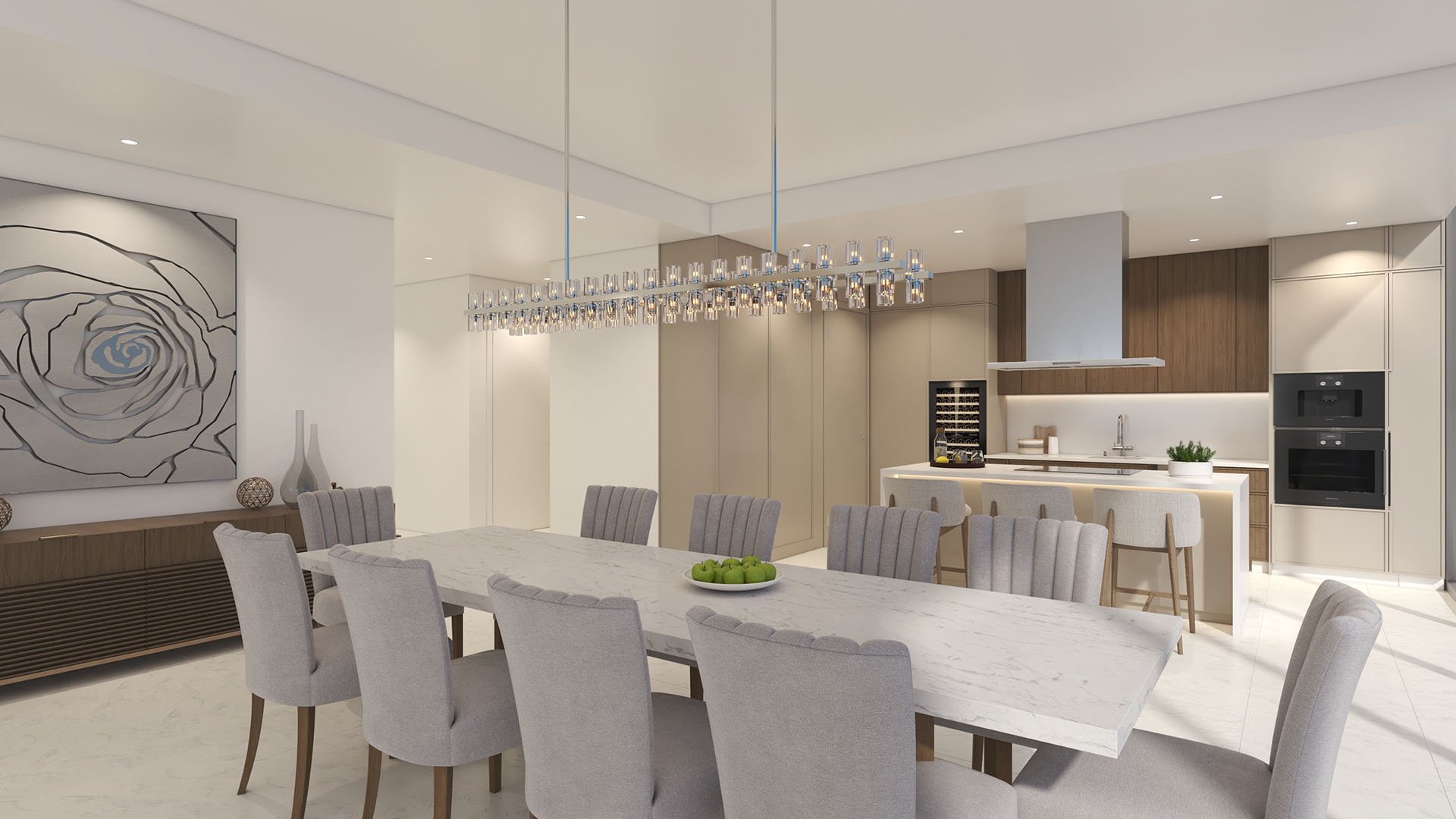
At Ocean 580 Pompano Beach, residences offer four or five bedrooms plus a den, wrap-around corner terraces, and private elevator-entry foyers. At 580 Briny Avenue, Pompano Beach, Florida 33062, that generous setting invites a carefully assembled interior. Getting valuable furnishings into place warrants the same care.
For an international buyer, the essential distinction is between a residence being ready and a shipment being ready. Track customs release, warehouse availability, and a management-approved installation appointment as three separate milestones. None confirms the others.
The objective is not simply a delivery date. It is a documented sequence that establishes who holds each item, who may release it, and which insurance applies at every stage.
Ocean 580’s amenities include 24-hour valet and concierge services and professional on-site management. Those services do not establish round-the-clock delivery access, receiving capacity, or permission to leave crates awaiting installation.
Before authorizing shipment, obtain written confirmation of delivery hours, loading instructions, elevator capacity and dimensions, staging restrictions, move-in deposits or fees, and sign-off procedures. Private elevator entry is a residential feature-not proof that an oversized dining table or crated artwork will fit through that elevator.
Ask the installer to check packed dimensions against the entire approved route, including doorways and turning points. The residence and common areas feature 2-by-4-foot porcelain tile flooring; request management’s protection requirements before proposing equipment or handling methods.
Buyers also considering Armani Casa Residences Pompano Beach should conduct the same written-access audit independently. Approval at one address is never permission at another.
Furniture, carpets, paintings, tableware, linens, and similar furnishings can qualify as household effects potentially eligible for duty-free entry. Eligibility depends on applicable personal-use conditions, including use abroad for at least one year and no intention to sell the goods.
Newly purchased furniture should not automatically receive the same treatment as qualifying used household effects. Before packing, ask the customs broker to distinguish the categories within the inventory and identify the documentation each requires. A shipment combining familiar possessions and recent acquisitions deserves item-level attention.
Household goods should generally be imported within 10 years of the importer’s last arrival from the country where the goods were used. That eligibility window is neither a transit estimate nor a prediction of clearance speed.
For goods valued at $2,500 or more, review the formal-entry process, including importer information, an entry summary, release documentation, supporting paperwork, and a customs bond or cash alternative. Have the broker confirm the applicable process rather than assuming value alone determines every requirement.
Household effects generally clear at the first U.S. port of arrival unless they move under an approved in-bond arrangement for clearance elsewhere. Ask the broker to identify the planned clearance location and any proposed in-bond movement before setting the inland delivery schedule.
For applicable vessel shipments, household effects are not exempt from Importer Security Filing requirements. Confirm shipment-specific filing responsibilities and bond treatment with the broker. Keep invoices, packing lists, shipping documents, and entry paperwork organized in a shared file accessible to the authorized team.
Do not turn an anticipated port arrival into a firm installation commitment. Maintain separate status updates for customs release, the warehouse’s ability to receive the goods, and management’s approved installation slot. Ask each party how a change in one milestone affects the next appointment and any associated charges.
Do not assume a fixed clearance duration. Plan a contingency sequence rather than relying on an unsupported promise of speed.
Evaluate off-site storage as a service in its own right, not simply an address where furnishings can wait. Ask prospective providers to specify temperature and humidity ranges, security measures, fire protection, inventory tracking, and condition-report procedures in writing.
Then examine release controls. Who can authorize dispatch? How are individual pieces identified? What handling charges apply when items enter, move within, or leave storage? Ask whether inspection and uncrating can be coordinated before final delivery, subject to the provider’s terms and the insurance review.
Request an itemized receipt and condition documentation at intake, with a clear procedure for recording exceptions. Before the shipment reaches the warehouse, decide who will review discrepancies and authorize onward movement.
For a Broward search that also includes The Ritz-Carlton Residences® Pompano Beach, use the same storage questions while obtaining separate building approvals. Neither extensive residential services nor a convenient location establishes warehouse suitability.
A customs bond guarantees payment of import-related duties, taxes, and fees. It does not insure furnishings against physical damage. Keep that distinction explicit when reviewing the shipment budget and documentation.
Ask the buyer’s insurance broker to map coverage across ocean transit, inland transport, storage, uncrating, and installation. For each stage, identify the policy, declared values, deductibles, exclusions, and the point at which coverage begins or ends. Ask specifically how the proposed handling sequence fits the policy terms.
Separately, obtain management’s installation-insurance requirements. Confirm required certificates, additional-insured endorsements, liability limits, and provisions addressing common-area damage. These are items to confirm, not established Ocean 580 rules or universal condominium standards.
Have the broker review the proposed insurance documents against both the property’s requirements and the buyer’s concerns about damage to the furnishings. Ask whether gaps remain even after management accepts the installer’s paperwork. Building acceptance and protection of the collection are distinct questions.
Before final dispatch, assemble one installation file: the itemized inventory, replacement values, photographs before packing, customs-release confirmation, warehouse records, management approval, and insurance documentation. Name the person authorized to accept delivery and record exceptions.
After uncrating, photograph the items again, document delivery exceptions, and retain the applicable claim deadlines. Confirm the required sign-off process with management and the installer in advance, rather than assigning responsibilities while crates occupy the delivery route.
The buyer’s final release decision should rest on three written confirmations: the goods may leave customs control, the receiving and handling sequence is arranged, and the building appointment and insurance requirements are addressed. That discipline gives the finished interior the attention it deserves without leaving its arrival to assumption.
For a considered approach to South Florida residential ownership, explore MILLION.
If branded residences are on your mind — as a home or as an allocation — we would be glad to share what we are seeing, privately.
Begin a quiet conversationOcean 580 is located at 580 Briny Avenue, Pompano Beach, Florida 33062.
No. Buyers should obtain written confirmation of elevator dimensions, capacity, permitted use, and the full delivery route before shipping oversized pieces.
No. Delivery hours, receiving arrangements, staging restrictions, and installation appointments require separate confirmation from management.
Furniture, carpets, paintings, tableware, linens, and similar furnishings may qualify under applicable personal-use conditions, including use abroad for at least one year and no intention to sell them.
Not automatically. Ask the customs broker to distinguish new acquisitions from qualifying used possessions and confirm the applicable treatment.
They generally clear at the first U.S. port of arrival unless moved under an approved in-bond arrangement for clearance elsewhere.
No. It concerns when household goods should generally be imported relative to the importer’s last arrival from the country where they were used, not transit or clearance duration.
Request written environmental ranges, security and fire-protection details, inventory and condition-report procedures, release controls, and handling charges.
No. A customs bond guarantees payment of import-related duties, taxes, and fees; physical-damage coverage requires a separate insurance review.
Ask the broker to identify coverage, exclusions, values, and deductibles across transit, storage, uncrating, and installation. Separately confirm management’s required certificates, endorsements, liability limits, and common-area damage provisions.