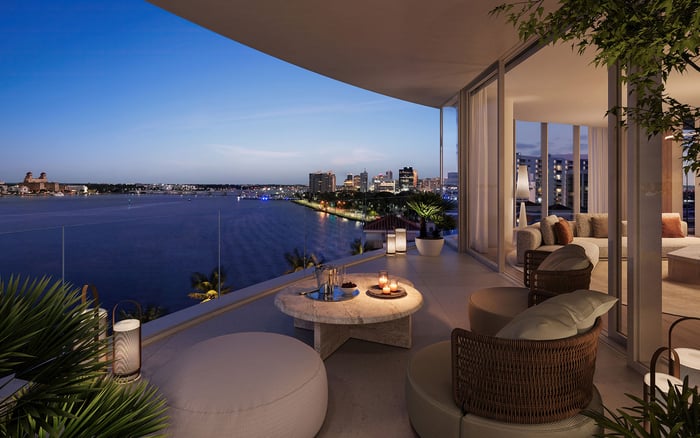
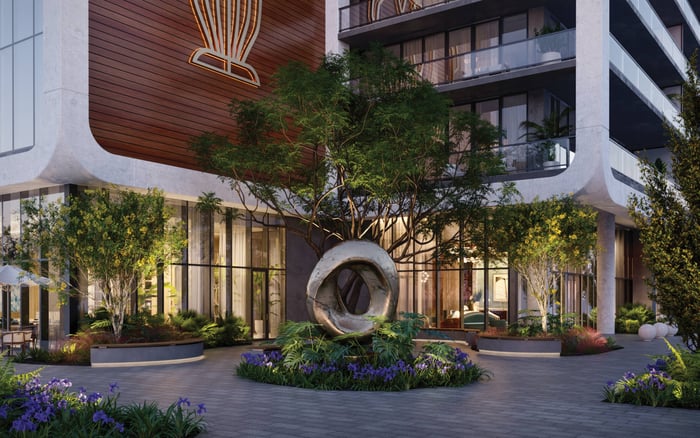
A buyer-focused framework for comparing West Palm Beach waterfront residences through the practical lenses of walkability, privacy, arrival design and residential service.
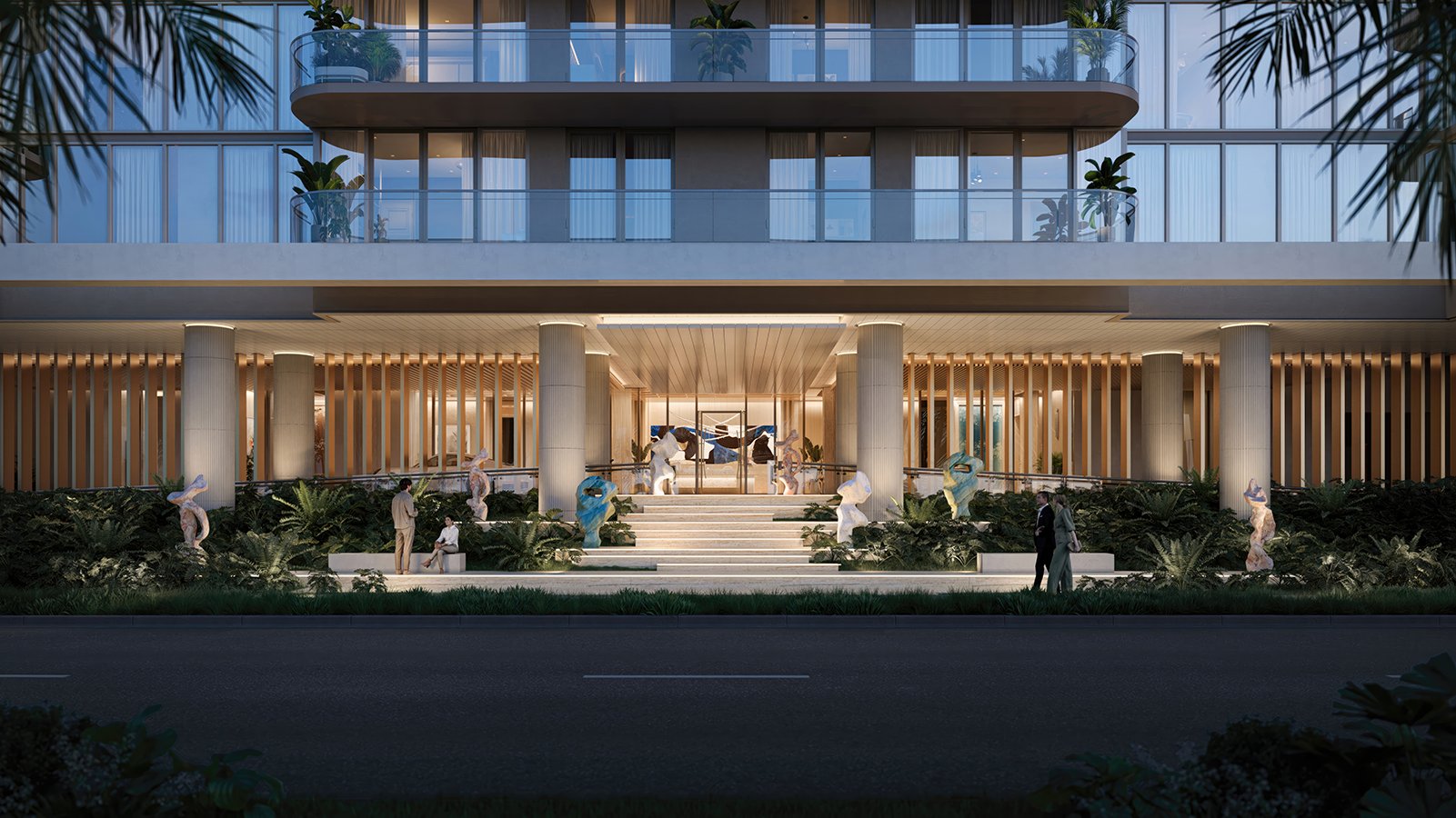
For buyers considering West Palm Beach, the ideal waterfront residence is not determined by location alone. The more useful question is whether a property supports a specific daily routine while maintaining the degree of privacy the buyer expects at home.
Walkability and discretion can coexist, but both require close examination. A convenient route may feel very different depending on the time of day, traffic patterns and the transition between the sidewalk and the residential entrance. Privacy is equally nuanced: it can be shaped by arrival sequences, shared spaces, elevator access, parking design and the way residents and visitors circulate through a property.
This guide therefore treats “best” as a buyer-specific conclusion rather than a universal ranking. The right choice emerges from comparing each residence against the same set of practical tests.
A useful tour can begin with five projects already associated with the West Palm Beach residential market:
The shortlist is most valuable as a structure for comparison. Buyers should request current information for every property and avoid assuming that a shared waterfront market, brand association or West Palm Beach location produces the same experience.
Start by listing the places that matter in ordinary life rather than relying on a broad neighborhood label. Those destinations may include dining, cultural appointments, services, social engagements or a preferred route toward Palm Beach. The relevant test is whether the residence works for the buyer’s actual schedule.
Walk each important route when it would normally be used. Observe crossings, lighting, traffic exposure, shade, weather protection and the comfort of returning to the building. A route that appears manageable on a map may not suit every buyer in practice.
The final approach to the residence deserves particular attention. Consider whether the transition from the public realm to the lobby feels composed and whether vehicles, deliveries, guests and residents use circulation patterns that match the desired level of discretion.
Discretion should be evaluated as a sequence rather than a single feature. Begin at the property edge and follow the complete path through arrival, parking, reception, elevators, residential corridors and shared amenities.
Ask how access is managed and which spaces residents share with guests, staff or other users. Buyers should also consider whether the service model supports privacy in daily life or introduces activity that may not fit their preferences.
A private-feeling residence does not depend on one formula. Some buyers prioritize fewer encounters and quieter shared spaces. Others value coordinated service that simplifies arrivals, deliveries and time away from the property. The comparison should reflect which version of privacy matters most.
Use the same questions at every presentation and tour. Record observations immediately afterward, separating confirmed information from impressions that require follow-up. A simple comparison sheet can cover the route to preferred destinations, entrance experience, elevator journey, parking circulation, guest access, service procedures and the character of shared spaces.
It is also important to distinguish visual appeal from operational fit. A compelling waterfront outlook or polished arrival may shape the first impression, but long-term satisfaction depends on how the residence functions on an ordinary day.
Before moving forward, request current documentation and verify the details that could affect the decision. Marketing language should not replace direct review of the property, its procedures and the information supplied for the specific residence under consideration.
What does “best” mean in this guide? It means the residence that most closely matches an individual buyer’s priorities for waterfront living, daily access and discretion.
Should buyers rely on a general walkability score? No. A personal route test is more useful because each buyer has different destinations, schedules and comfort preferences.
When should important walking routes be tested? Test them at the times they would normally be used, including any evening or weekend periods relevant to the buyer’s routine.
What should buyers observe at a residential entrance? Consider the transition from sidewalk or vehicle to lobby, along with the circulation of residents, guests, deliveries and staff.
How can elevator access affect discretion? The number of transitions, access controls and shared journeys can influence how private the trip from arrival to residence feels.
Does branded service automatically ensure privacy? No. Buyers should examine how the service model operates and decide whether it supports their preferred degree of discretion.
Is a waterfront setting enough to make a residence suitable? No. The residence must also work for the buyer’s routine, access needs, privacy expectations and preferred ownership experience.
How should the five linked projects be compared? Apply the same tour questions to each one and verify all current details directly rather than relying on assumptions.
What information should be confirmed before a decision? Confirm the details relevant to the specific residence, project status, availability, costs, procedures and access arrangements.
What is the most useful final step before choosing? Revisit the leading options using the buyer’s normal routine and resolve every material unanswered question.
For a discreet conversation and a curated building-by-building shortlist, connect with MILLION.
If branded residences are on your mind — as a home or as an allocation — we would be glad to share what we are seeing, privately.
Begin a quiet conversation