For collectors considering Sunny Isles Beach, the strongest residence is the one that accommodates the collection in practice. Muse offers a documented service-elevator feature, while delivery permissions, installation approvals and environmental performance require property-specific diligence.
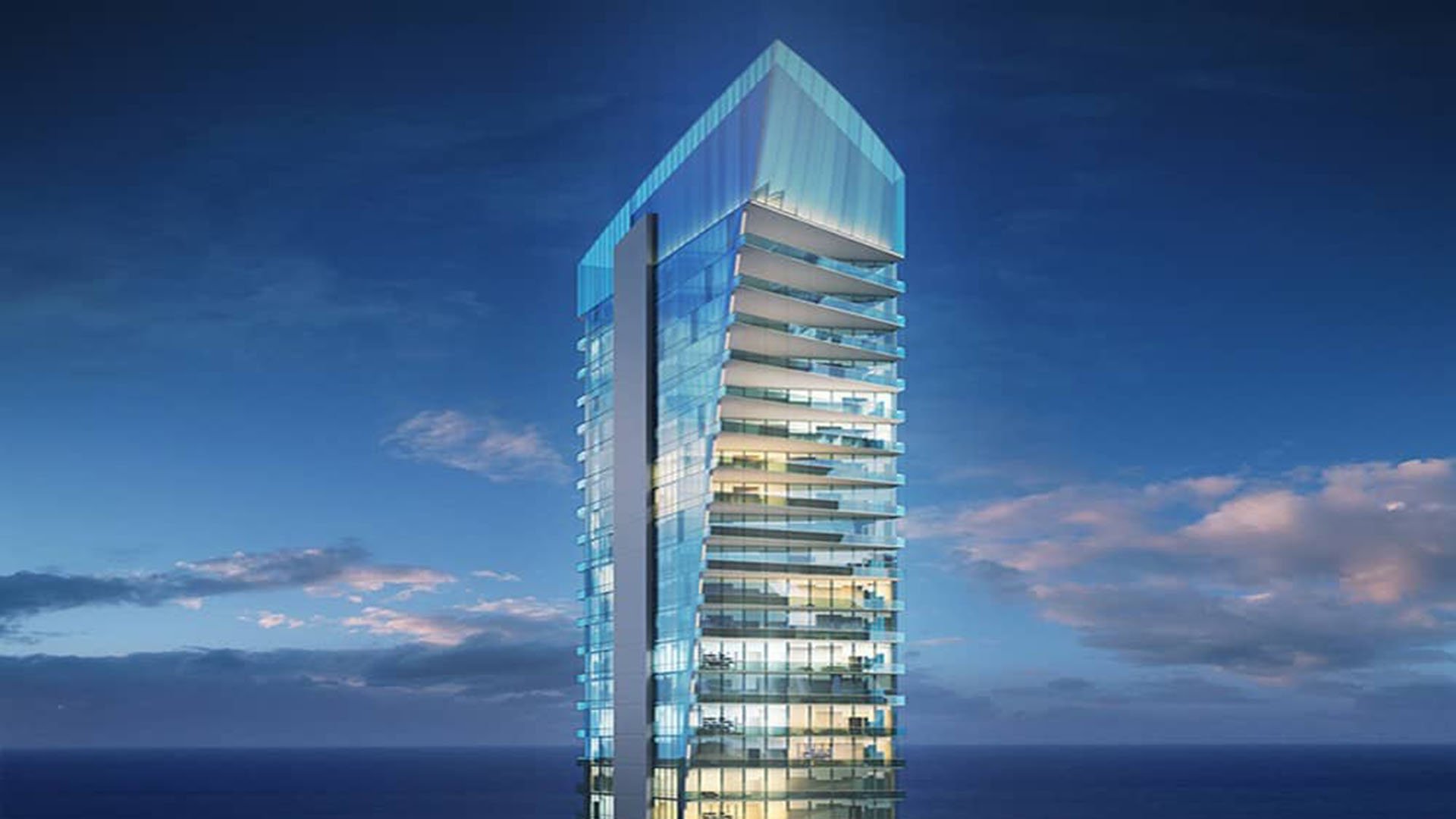
For an art collector, a waterfront residence must succeed twice: as an exceptional place to live and as a workable setting for objects that cannot be treated as ordinary furniture. In Sunny Isles Beach, the decisive questions lie beyond the presentation: how a crate reaches the residence, who authorizes installation, and what keeps the interior environment stable while the owner is away.
The best choice is conditional, not a universal ranking. Muse offers the clearest documented service-elevator feature among the properties discussed here. Porsche Design Tower has a distinctive vehicle-transport system, but that is different from approved art freight. Neither architectural presence nor branded service establishes collection-specific suitability.
A beautiful room is only art-friendly when the delivery route, installation permissions and operating conditions support the collection.
At Muse Residences Sunny Isles Beach, residence features include two private elevators with biometric technology plus one service elevator. The service elevator makes Muse a logical starting point for a collector's inquiries-not a confirmed solution for oversized works. Freight dimensions, load limits and art-delivery permissions remain unverified.
That distinction matters when evaluating its 11-foot floor-to-ceiling windows and 8-foot Italian entry doors. Neither measurement establishes an elevator's usable opening, the turning space outside it, or clearance along the full delivery route. Buyers should have their art handler measure that route with the actual crate dimensions in hand.
Muse also has a rotating art gallery and a mezzanine-level breakfast gallery showcasing art and overlooking the Atlantic. These amenities suggest an art-conscious setting, but do not establish a conservation standard for private residences. Likewise, on-site management, a package room, storage space and valet should not be mistaken for permission to receive or temporarily hold high-value artwork.
Porsche Design Tower's defining transportation system uses vehicle elevators serving in-residence garages. For a buyer, the essential distinction is between a system designed to move cars and one authorized to transport crated paintings, sculpture or installation equipment.
Do not assume that arrival through a garage creates an approved art-delivery route. Ask management to identify the permitted path for the specific object, whether any vehicle-lift use is allowed, and what restrictions apply to handlers and equipment. Secure written authorization before committing to a delivery.
The same discipline applies when comparing towers: a private elevator or dramatic arrival sequence cannot substitute for verified clearances and handling permissions. Convenience for residents and suitability for art are separate questions.
Begin with a route survey rather than an elevator brochure. Ask the handler to document the receiving entrance, any staging area, corridor turns, elevator opening and cabin, residence threshold, and final approach to the intended wall or plinth. Record the crate's external dimensions and total moving weight-not just the artwork's dimensions.
Request confirmation of elevator capacity and any restrictions on carts, lifting equipment or temporary staging. If an object must be unpacked before entering the apartment, establish where that can happen and who will supervise it. Ask whether temporary holding is permitted; a listed storage amenity does not answer that question.
Advance elevator reservations, protective coverings for floors and walls, and specified delivery windows are typical in Sunny Isles high-rises. Freight schedules and fees may also apply. Treat these as planning considerations until the individual association supplies its current rules.
Treat delivery permission and installation permission separately. Before committing to a residence, submit a proposed scope for substantial works: intended locations, weights, mounting methods, equipment and contractor access. Ask management which elements require association review or further professional input.
For wall-mounted pieces, clarify permitted anchoring and any review needed before drilling. For sculpture, have the relevant professional assess the proposed placement and loading. These are diligence requests, not claims that a particular tower imposes a specific technical requirement.
Obtain written answers on working hours, contractor documentation, protective measures, reservation charges and responsibility for damage. Collectors who rotate works should also ask whether approvals are reusable or must be obtained for each installation. The objective is a repeatable process, not an improvised exception on delivery day.
Indoor environmental control and coastal resilience deserve separate reviews. No building-specific temperature, humidity, HVAC-redundancy or art-storage performance is established here. Luxury positioning alone cannot close that gap.
Ask for available operating records, maintenance documentation and clarification of which systems serve the apartment versus common areas. Have a conservator define the collection's environmental needs, then ask the appropriate mechanical professional whether the residence can meet them. Clarify monitoring, response arrangements during owner absences, and what happens to relevant systems during a power interruption.
Outdoor exposure raises a different set of questions. Marine conditions, storm surge, occasional king-tide flooding and expected sea-level rise are considerations for Sunny Isles oceanfront ownership. Request documentation of hardened entries, elevated mechanical equipment, pumps and other mitigation measures where present. Do not presume any of those measures at an individual tower; their presence alone would not establish indoor conservation performance.
Historical measurements identified approximately 0.8 to just over 3 inches of subsidence during 2016-2023 across affected coastal buildings. That range is not a uniform measurement for each property. Sunny Isles properties identified with measurable subsidence include Porsche Design Tower, Regalia, Residences by Armani Casa, Mansions at Acqualina and Chateau Beach.
For a buyer considering Regalia Sunny Isles Beach, the appropriate next step is a property-specific review of current engineering documentation, monitoring and any recommended actions. Historical subsidence alone does not establish present structural condition or imminent failure.
Apply the same standard when evaluating Armani Casa Sunny Isles Beach. Ask a qualified engineer to interpret the documents relevant to that building rather than applying a coastal-wide measurement to the apartment under consideration. A property's inclusion in historical findings is not, by itself, a verdict on suitability; absence from this discussion is not a resilience certification.
Before purchase, assemble three written confirmations: a measured and authorized delivery route, an approved installation scope, and an environmental review suited to the collection. Keep coastal and engineering diligence alongside them rather than folding every concern into a general promise of climate stability.
Muse merits an early look for its documented service elevator. Every candidate must still pass the same practical test: can this collection arrive, be installed and be cared for under conditions the buyer understands?
Explore a collection-led approach to Sunny Isles Beach ownership with MILLION.
If branded residences are on your mind — as a home or as an allocation — we would be glad to share what we are seeing, privately.
Begin a quiet conversationMuse lists a service elevator alongside two private elevators with biometric technology. Its freight dimensions, load limits and art-delivery permissions still require confirmation.
No. The door specification does not establish usable clearance through elevator openings, corridor turns or the complete delivery route.
Their use for art transport is not established. Buyers should obtain written authorization for the specific object and delivery route before making arrangements.
Ask the handler to measure receiving access, staging areas, corridor turns, elevator openings and cabins, and the final approach inside the residence. Use the crate's external dimensions and total moving weight.
Local guidance describes advance reservations, floor and wall protection, and specified delivery windows as typical. Each association's current rules, schedules and fees need direct confirmation.
Buyers should seek separate written confirmation for installation, including mounting methods, placement, equipment and contractor access. Delivery permission should not be treated as installation approval.
No. Its advertised galleries do not establish temperature, humidity or art-storage performance within private residences.
It involves both indoor environmental control and the property's coastal exposure. Neither building-specific indoor performance nor superior resilience is established for the candidates discussed.
No. Historical measurements alone do not establish current structural condition or imminent failure; current property-specific engineering documentation needs qualified review.
Request documentation of hardened entries, elevated mechanical equipment, pumps and other measures where present. These features are diligence considerations, not verified attributes of every shortlisted tower.