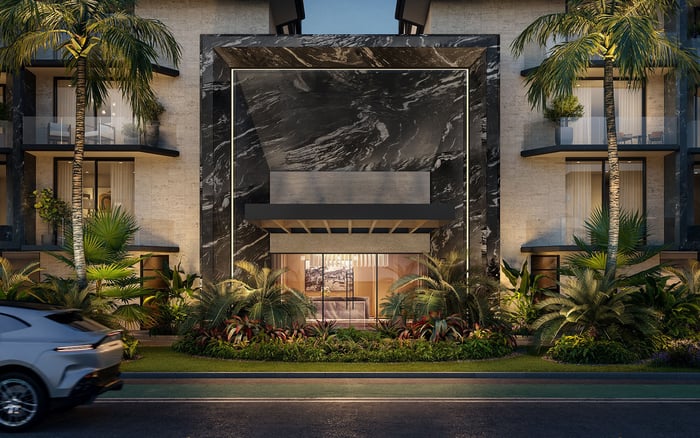
For financed waterfront acquisitions in Palm Beach Gardens, the strongest residence is not simply the one with the most compelling view. It is the property whose ownership structure, association records, insurance program, flood documentation, reserves, and alteration history can withstand disciplined underwriting.
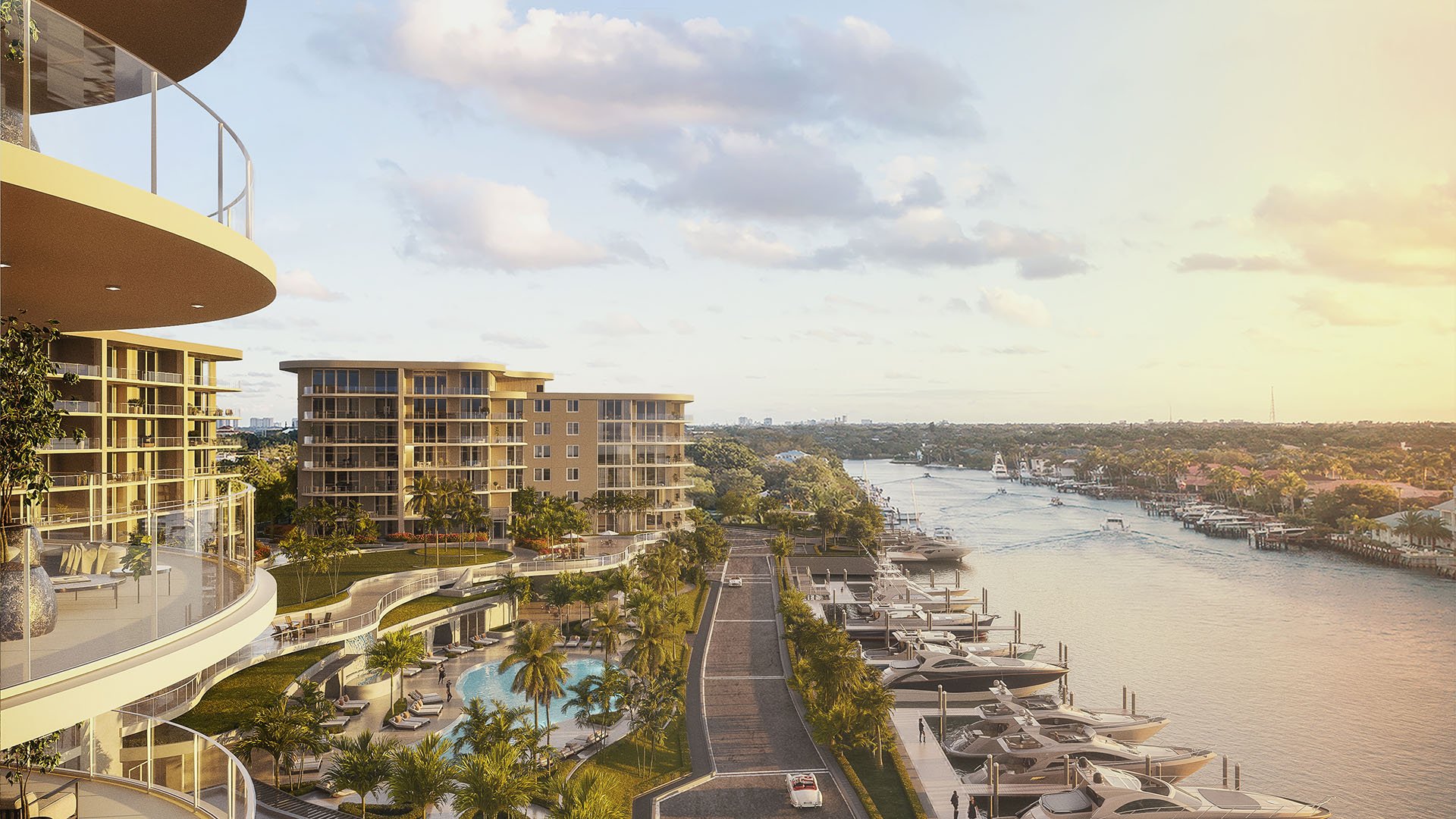
In Palm Beach Gardens, a waterfront residence can satisfy the aesthetic brief yet still prove cumbersome to finance. For buyers using portfolio lending, the more consequential distinction is often administrative: how quickly the property, association, insurer, and seller can produce a coherent underwriting file.
The best candidates pair desirable water orientation with transparent governance, current financial information, intelligible insurance, and a clear account of litigation or special assessments. This is particularly important for an attached condominium, where the lender may evaluate not only the borrower and unit, but also the building and association.
For a financed waterfront acquisition, document quality is part of property quality.
Among local options, The Ritz-Carlton Residences® Palm Beach Gardens merits consideration because it gives buyers a specific Palm Beach Gardens condominium to assess through this lens. Its inclusion is not a statement of lender approval. Financing readiness must be confirmed for the residence, association, insurance program, and proposed loan at the time of purchase.
For a portfolio-financed condominium, accessible records can materially reduce uncertainty. A rigorous diligence package may include the completed lender questionnaire, declaration, bylaws, amendments, rules, current budget, reserve study, recent board minutes, insurance certificates, and disclosures involving litigation or special assessments.
The decisive quality is not presentation alone. Documents should be current, internally consistent, and available early enough for the lender, insurance adviser, attorney, and buyer to review before financing contingencies become compressed.
A residence governed by an HOA presents a different underwriting task. Buyers should establish precisely what the association covers, what the homeowner must cover, and whether shared waterfront infrastructure creates additional obligations.
This ownership format may provide greater control over the individual insurance program, but it can also place more responsibility on the buyer to document replacement-cost assumptions, windstorm protection, flood coverage, and any lender-required endorsements.
Flood documentation should be reviewed in relation to the building, association, location, governing documents, and proposed loan. Buyers should confirm whether the association maintains applicable master coverage, whether premiums are current, and whether the policy aligns with lender requirements.
The absence of a broad requirement should not be treated as proof that coverage is unnecessary. The relevant obligations may depend on the property's location, governing documents, insurer, and lender conditions.
Waterfront ownership often invites plans for terraces, docks, seawalls, landscaping, generators, or other exterior work. Applicable development standards, procedures, and association policies become relevant when alterations or improvements are contemplated. A lender-friendly candidate should have clear permits, approvals, association consents, and contractor documentation where applicable.
Marina proximity or access may strengthen the lifestyle case, but underwriting still turns on legal rights, maintenance duties, insurance, and documented approvals. A visually compelling feature should never be assumed to convey automatically with the residence or to be freely alterable.
Before committing to financing, the buyer’s team should assemble the governing documents and amendments, current budget, reserve study, recent meeting minutes, rules, insurance evidence, and disclosures. The insurance file may include master property declarations, windstorm details, applicable flood coverage, and any available fidelity bond or directors-and-officers information.
Minutes warrant close reading. They can reveal contemplated projects, recurring maintenance concerns, unresolved insurance discussions, potential assessments, or litigation not apparent in a marketing package. The reserve study and budget should then be considered alongside those discussions rather than reviewed in isolation.
A well-organized association can often respond promptly and consistently. Accessible governing documents, forms, articles of incorporation, or insurance certificates may indicate record discipline, though they do not replace current documents delivered for the specific transaction.
Flood diligence begins with the exact parcel, building, and ownership structure. When classification is uncertain, a lender may request additional flood documentation.
For a condominium, confirm whether the association’s master policy satisfies the proposed lender and whether the unit owner needs separate contents, improvements, loss-assessment, or other coverage. For an HOA residence, determine the full scope of owner responsibility. In both cases, verify current premiums, policy dates, deductibles, exclusions, and the treatment of common waterfront elements with qualified advisers.
The practical objective is alignment. The flood designation, legal ownership structure, master coverage, individual policy, and loan conditions should tell the same story. Any inconsistency should be resolved before the financing timetable narrows.
Sophisticated buyers often compare Palm Beach Gardens with the broader Palm Beach luxury market while keeping municipal location and ownership structure distinct. A regional review might include Alba West Palm Beach, Forté on Flagler West Palm Beach, or The Ritz-Carlton Residences® West Palm Beach as separate alternatives-not substitutes presumed to share the same insurance, association, or lending profile.
This comparison is most useful when conducted on equivalent terms: ownership form, document availability, reserve information, insurance evidence, assessment exposure, flood requirements, and alteration constraints. New-construction status, branding, or proximity to the water should not be treated as a proxy for financeability.
Investment discipline in this segment requires separating lifestyle conviction from underwriting readiness. The strongest purchase file is one in which the residence appeals personally, the legal structure is understood, the association responds efficiently, and insurance can be reconciled with lender requirements.
Waterfront status alone cannot establish a hierarchy among residences. Building-level records may differ even within a broader community, and lender standards can vary by loan structure. The prudent buyer therefore makes document delivery an early condition of interest, gives advisers time to identify gaps, and avoids assuming that a prior financed sale guarantees future approval.
For a discreet review of Palm Beach Gardens opportunities and their transaction context, connect with MILLION.
If branded residences are on your mind — as a home or as an allocation — we would be glad to share what we are seeing, privately.
Begin a quiet conversationA strong underwriting file includes current governing documents, financials, reserve information, insurance evidence, meeting minutes, and clear disclosures about litigation and assessments.
Buyers may request the declaration, bylaws, amendments, rules, current budget, reserve study, recent minutes, lender questionnaire, insurance certificates, and relevant disclosures.
Minutes may identify planned work, insurance concerns, litigation, maintenance issues, or potential special assessments that could affect underwriting.
Yes. Buyers should confirm applicable master coverage and determine whether it aligns with the property, governing documents, and proposed loan.
A lender may request additional flood documentation when the property's classification or insurance requirements need clarification.
Buyers should identify what the HOA covers and what must be insured by the homeowner. The allocation should be reconciled with lender requirements.
Yes. Current reserve information and clear assessment disclosures help frame the association's financial condition and potential owner obligations.
No. Ownership structure, flood designation, insurance, reserves, litigation, assessments, and document quality may all affect underwriting.
Yes. Applicable permits, association consents, and maintenance obligations should be verified for docks, seawalls, terraces, and other exterior work.
Early review gives the buyer, lender, attorney, and insurance adviser time to identify gaps before financing deadlines become compressed.