Key Biscayne sets a 15-day floor for vacation rentals, but condominium rules can be considerably stricter. Ocean Towers offers the strongest documented turnover controls, while Oceana combines a two-month minimum with measured leasing flexibility and 24-hour security.
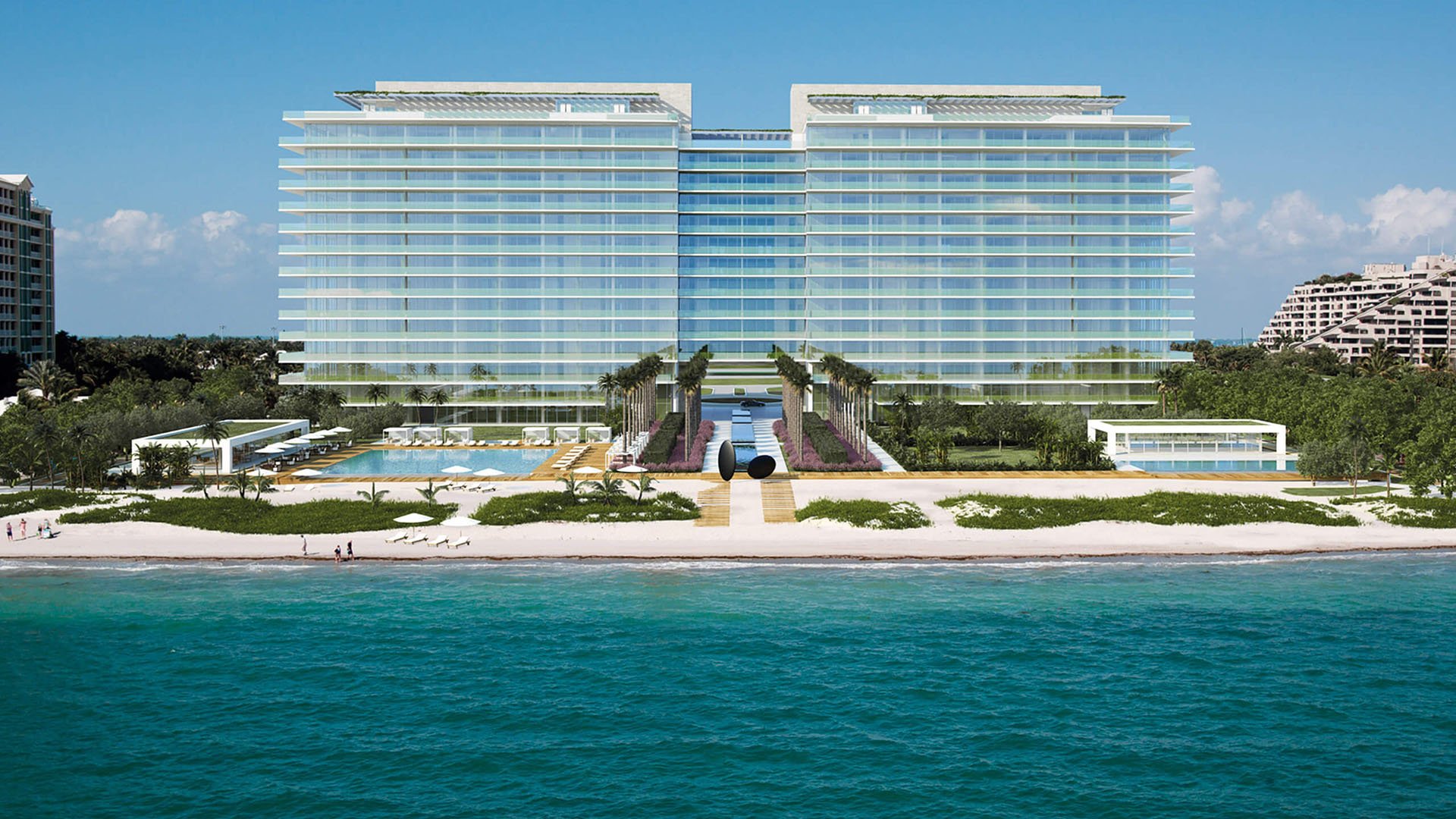
For buyers seeking a composed waterfront home, leasing policy is not a technical afterthought. It shapes who enters the property, how often occupants change and whether the residential atmosphere feels established or transient. In Key Biscayne, the most useful comparison begins with two layers of control: Village requirements and the private rules of each condominium.
The Village prohibits vacation rentals of fewer than 15 continuous days. Owners operating qualifying vacation rentals must also obtain a Village Business Tax Receipt and satisfy applicable registration and safety requirements. Enforcement intensified in 2024, with warnings preceding fines for continuing violations. Penalties can reach $250 per day.
Condominium declarations, bylaws and association rules may be stricter than the municipal floor. For buyers focused on quiet, that private layer is often decisive. A 15-day municipal minimum does not require every building to permit 15-day stays. Individual properties may impose longer terms, annual frequency caps, applications and approval procedures.
The most protective address is the one whose written rules align with the way its residents expect to live.
The leading options distinguish themselves through clear lease-duration and frequency limits. This ranking favors clarity and reduced turnover rather than maximum rental flexibility.
1. Ocean Towers at The Ocean Club, six-month minimum
At 765 to 789 Crandon Boulevard, Ocean Towers limits rentals to twice per year and requires a minimum term of six months. That structure excludes nightly, weekly and conventional short-season occupancy, making it the strongest documented waterfront choice for buyers who place continuity first.
The residences offer large three- to five-bedroom layouts within The Ocean Club's luxury oceanfront environment. The broader community is gated, with controlled access, private amenities and a security-oriented resort setting. Seasonal opportunities can exist, but availability is limited and the six-month minimum still applies. For an owner prioritizing low turnover, the combination is notably disciplined.
2. Oceana Key Biscayne, two-month minimum
At 350 Ocean Drive, Oceana is a direct-oceanfront condominium with a two-month minimum lease term. Owners may rent no more than three times annually. The policy is substantially stricter than the Village's 15-day threshold, preventing weekly or long-weekend occupancy while preserving more flexibility than Ocean Towers.
Oceana pairs its leasing limits with 24-hour security and concierge service. That combination makes it the best balance in this comparison for an owner who may occasionally lease a residence but still wants meaningful barriers to rapid guest turnover. Buyers exploring current residence opportunities can review Oceana Key Biscayne as part of a broader legal and operational review.
Waterfront ownership is more serene when rental rules are specific, consistently administered and supported by access controls. Longer minimum terms can reduce move-ins, deliveries, orientation visits and repeated amenity introductions. Annual lease caps add another layer by limiting how often a home can cycle between occupants.
Yet restrictions alone cannot guarantee silence or security. Buyers should also examine guest registration, front-desk staffing, surveillance, key and credential controls, nuisance enforcement and renovation rules. Oceanfront exposure may define the view, but day-to-day privacy is shaped as much by management practices as by lease language.
The Ocean Club's treatment of cabanas illustrates this distinction. Cabana rentals are limited to club members and require a sublease application, fee and minimum three-night stay. This is not a substitute for residential leasing rules, but it reflects a controlled approach to ancillary access within the community.
Investment objectives deserve equally precise consideration. A longer minimum may suit an owner seeking stable occupancy or occasional extended use while limiting the cadence available to a more active rental strategy. Rental potential should therefore be evaluated alongside lifestyle protection, not in isolation. Second-home buyers may find reduced leasing flexibility an acceptable exchange for a more predictable arrival experience.
A buyer should obtain the current declaration, bylaws, rules and regulations, application package and any leasing amendments directly through the transaction's due-diligence process. Summaries can change or omit operational details. Written condominium documents and current association procedures should govern the decision.
Confirm the minimum lease term, the maximum number of leases permitted in any 12-month or calendar-year period, waiting periods after purchase and whether renewals count as new leases. Ask whether approval applies to tenants, occupants and guests, and identify application fees, deposits, interview requirements and processing timelines.
Security-focused buyers should also seek clarity on overnight guests, household staff, contractors, deliveries and amenity access. Review how violations are documented and enforced, whether owners receive notices and what remedies the association may use. A strong rule with irregular enforcement may offer less protection than a carefully administered policy supported by clear records and consistent procedures.
Grand Bay Tower remains a waterfront luxury alternative, but a clear building-wide minimum lease term or annual rental cap is not established. Other buildings within The Ocean Club offer seasonal and annual availability without equally explicit building-specific terms. Neither should be treated as permissive or restrictive by assumption. Their governing documents require separate review.
Ocean Towers is the more compelling fit for buyers whose first priority is minimal turnover. Its six-month minimum and two-rentals-per-year ceiling create the clearest barrier to transient occupancy in this comparison. The gated-community context adds an important operational dimension, although buyers should still inspect the rules governing their specific tower.
Oceana is better suited to owners seeking a controlled middle ground. Its two-month minimum and three-rentals-per-year cap permit occasional leasing without opening the door to weekly stays. The presence of 24-hour security and concierge service strengthens its appeal for residents who value both flexibility and oversight.
Ultimately, Key Biscayne offers a municipal baseline, not a universal promise. The quietest ownership experience is more likely to emerge where long lease minimums, frequency limits, formal approvals and disciplined access management work together.
For confidential guidance on selecting a Key Biscayne residence aligned with your privacy, use and leasing priorities, connect with MILLION.
If branded residences are on your mind — as a home or as an allocation — we would be glad to share what we are seeing, privately.
Begin a quiet conversationKey Biscayne prohibits vacation rentals lasting fewer than 15 continuous days. Individual condominiums may impose longer minimum terms.
Yes. Condominium declarations, bylaws and association rules may impose stricter leasing limits than the Village minimum.
Ocean Towers has the strongest documented limits in this comparison, with a reported six-month minimum and no more than two rentals per year.
Oceana has a published two-month minimum lease term, and owners may reportedly rent no more than three times per year.
No. Its reported six-month minimum excludes nightly, weekly and conventional short-season rentals.
Oceana combines its rental restrictions with 24-hour security and concierge service.
No. Buyers should also review guest access, staffing, surveillance, nuisance enforcement and renovation rules.
Owners must obtain a Village Business Tax Receipt and comply with applicable registration and safety requirements.
After warnings, continuing violations can result in fines reaching $250 per day.
Review the current declaration, bylaws, rules, leasing amendments, application package and association approval procedures.