A terrace repair need not end a purchase, but it should change the diligence. Establish structural safety, ownership, repair scope, association funding and contractual payment responsibility before committing.
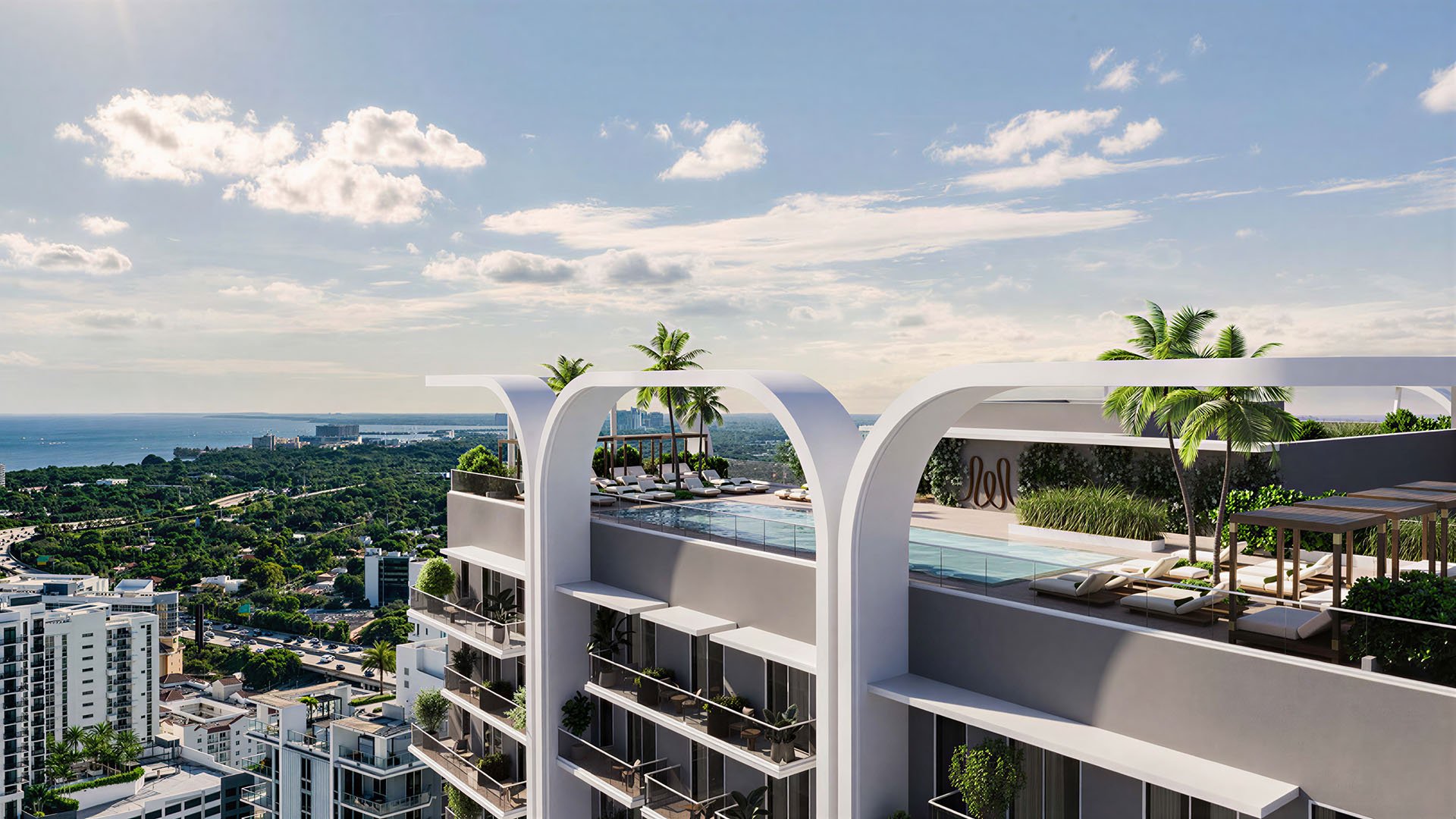
A generous terrace can define a South Florida residence: a setting for breakfast, an outdoor dining room, a quiet extension of the interior. When that terrace needs structural repair, however, the purchase decision should turn on documentation, not atmosphere. The distinction is between a diagnosed, priced repair and an unresolved condition whose safety, scope and cost remain uncertain.
For buyers comparing Miami Beach residences, including 57 Ocean Miami Beach, that distinction deserves the same scrutiny as layout and outdoor space. This is a purchasing standard, not a statement about conditions at any named property.
The most useful questions establish four things: what failed, whether the space can be used, who controls the repair and who ultimately pays.
“The terrace needs repair” is not an engineering diagnosis. Ask the engineer to distinguish among concrete deterioration, reinforcement corrosion, railing defects, waterproofing failure and any other identified safety hazards. These are different conditions; a proposed finish replacement is no substitute for an explanation of the underlying problem.
Request a written assessment of the terrace’s current structural condition and any occupancy or loading restrictions. Do not interpret an attractive surface or an informal assurance as permission to use it. If restrictions exist, ask exactly what they cover and what must happen before they can be lifted.
Consider an independent structural engineer working for the buyer. That review can focus on the concrete, reinforcement, railings and waterproofing, helping distinguish established findings from questions that still require investigation.
Florida’s milestone-inspection framework generally covers condominium buildings three or more stories tall and evaluates load-bearing elements and primary structural systems. A building-level inspection, however, is not automatically a terrace-specific clearance.
Request the complete milestone report, any Phase Two investigation and related structural assessments rather than relying on an association summary. Confirm the documents’ dates, authors, coverage, findings and recommended repairs. Then ask the engineer whether this terrace was evaluated and which conclusions apply to it.
Under the 2025 Florida statutory provisions, associations must retain milestone-inspection reports, structural integrity reserve studies and other structural or life-safety inspection reports for 15 years after receipt. Ask for the relevant record, not simply the most reassuring page.
Establish whether the deterioration is isolated or appears elsewhere in balconies, masonry, exterior finishes or adjacent components. A local repair and a broader exterior-restoration project present different purchasing decisions.
Exclusive access does not, by itself, settle ownership or repair responsibility. Review the declaration to determine whether the terrace is part of the unit, a common element or a limited common element. Then examine maintenance duties and expense-allocation provisions separately.
Ask your condominium attorney to identify the provisions governing the affected components. The right to enjoy an outdoor space should not be confused with sole responsibility for every structural or waterproofing expense connected to it.
The same document-first approach applies to a Brickell search that includes Una Residences Brickell. A project name cannot answer ownership and maintenance questions for a particular transaction; the applicable declaration must do that work.
Request the engineering findings and proposed repairs together. The scope should address the diagnosed deterioration, not merely describe a cosmetic patch. Ask what work is proposed for each affected component and which unresolved findings could change that scope.
Review available contracts, bids, invoices and association meeting minutes concerning the terrace and related building work. These documents help distinguish an adopted project from a preliminary discussion. Ask whether the quoted amount covers the engineer’s recommended work or only one portion of it.
For your own planning, request the anticipated sequence and any expected interruption to terrace access. Treat a proposed schedule as something to investigate, not a guarantee. If outdoor living is central to the purchase, evaluate the residence with any documented use restrictions clearly understood.
A repair proposal is not evidence that the association can fund it. Review the current budget, financial statements, structural integrity reserve study and reserve balances. Florida’s structural integrity reserve framework addresses major building components, including structural systems and waterproofing; ask how the affected systems appear in the study.
Compare the proposed work with available funding. If there is a gap, ask how the association intends to close it rather than assuming the eventual expense is already reflected in monthly charges.
Read assessment notices and board minutes for adopted or discussed terrace, façade, waterproofing and related structural projects. Then establish this unit’s allocated share using the governing documents and association records. The building’s total project cost and the buyer’s potential obligation are separate figures.
For a Surfside comparison that includes Fendi Château Residences Surfside, keep the financial questions consistent across properties. Compare documented obligations, not assumptions about what a prestigious address implies.
Association responsibility and buyer-seller responsibility are not the same question. Even after establishing what the unit owes, you must determine how the purchase contract allocates that obligation between the parties.
Have your attorney review the executed condominium rider, particularly its treatment of assessments arising between signing and closing. Do not substitute a sample form or a seller’s verbal understanding for the agreement you will actually sign. Make the intended allocation explicit, including the treatment of any known assessment.
Florida condominium law also provides resale-document requirements and buyer cancellation rights in specified circumstances. Have counsel identify the provisions and deadlines applicable to your transaction before review periods expire. The legal framework discussed here is Florida-specific and grounded in the 2025 statutory provisions; confirm the rules applicable when you contract.
Before proceeding, assemble a coherent file: a terrace-specific condition assessment, applicable use restrictions, declaration provisions, repair scope, funding evidence, the unit’s allocation and the contractual agreement on payment.
A documented repair can be evaluated on its merits. An unresolved structural condition cannot be reduced to a negotiating discount with the same confidence. The disciplined buyer establishes which situation the purchase involves before deciding whether the terrace still supports the intended lifestyle.
For a considered approach to your next South Florida residence, explore MILLION.
If branded residences are on your mind — as a home or as an allocation — we would be glad to share what we are seeing, privately.
Begin a quiet conversationAsk what specifically failed and request a written engineering assessment of the current condition. Establish any occupancy or loading restrictions before treating the terrace as usable.
Not automatically. Confirm whether the inspection evaluated your specific terrace and what findings or restrictions apply to it.
Consider a buyer-side review focused on the terrace’s concrete, reinforcement, railings and waterproofing. It can help clarify established findings and unresolved questions.
No such assumption should be made. The declaration’s ownership, maintenance and expense-allocation provisions must be reviewed separately.
Request the complete milestone report, any Phase Two investigation and related structural assessments. Check their dates, coverage and terrace-specific findings.
Compare the proposed scope with the engineering diagnosis. Request available bids, contracts, invoices and meeting minutes to understand what work is actually contemplated.
Review the current budget, financial statements, reserve study and reserve balances alongside the proposed work. Ask how any funding gap will be addressed.
Review assessment notices and board minutes for adopted or discussed structural, terrace, façade and waterproofing projects. Establish the unit’s allocated obligation through the governing documents and association records.
Have your attorney review the executed contract and condominium rider. Make the buyer–seller allocation explicit rather than relying on verbal assurances.
Florida law provides resale-document requirements and cancellation rights in specified circumstances. Ask counsel to identify the provisions and deadlines applicable to your transaction.