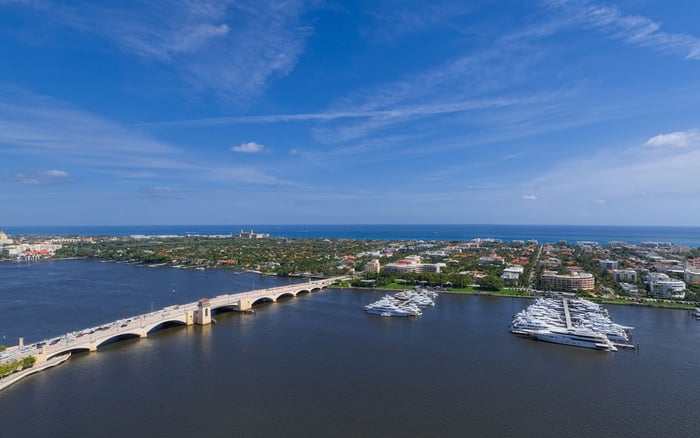
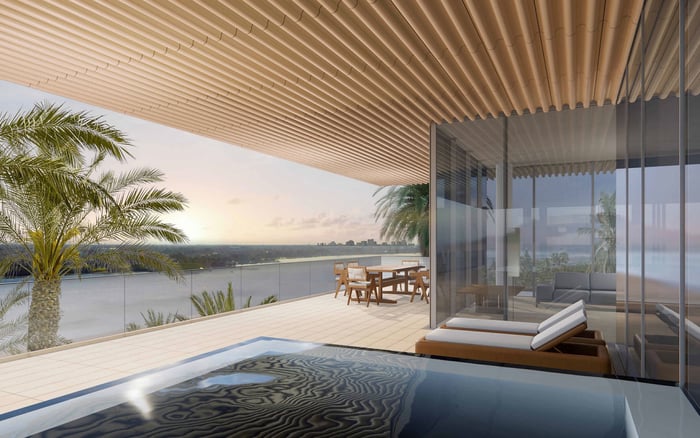
A disciplined buyer’s framework for comparing Palm Beach residences through the lens of vessel access, dock rights, operating logistics, and storm readiness.
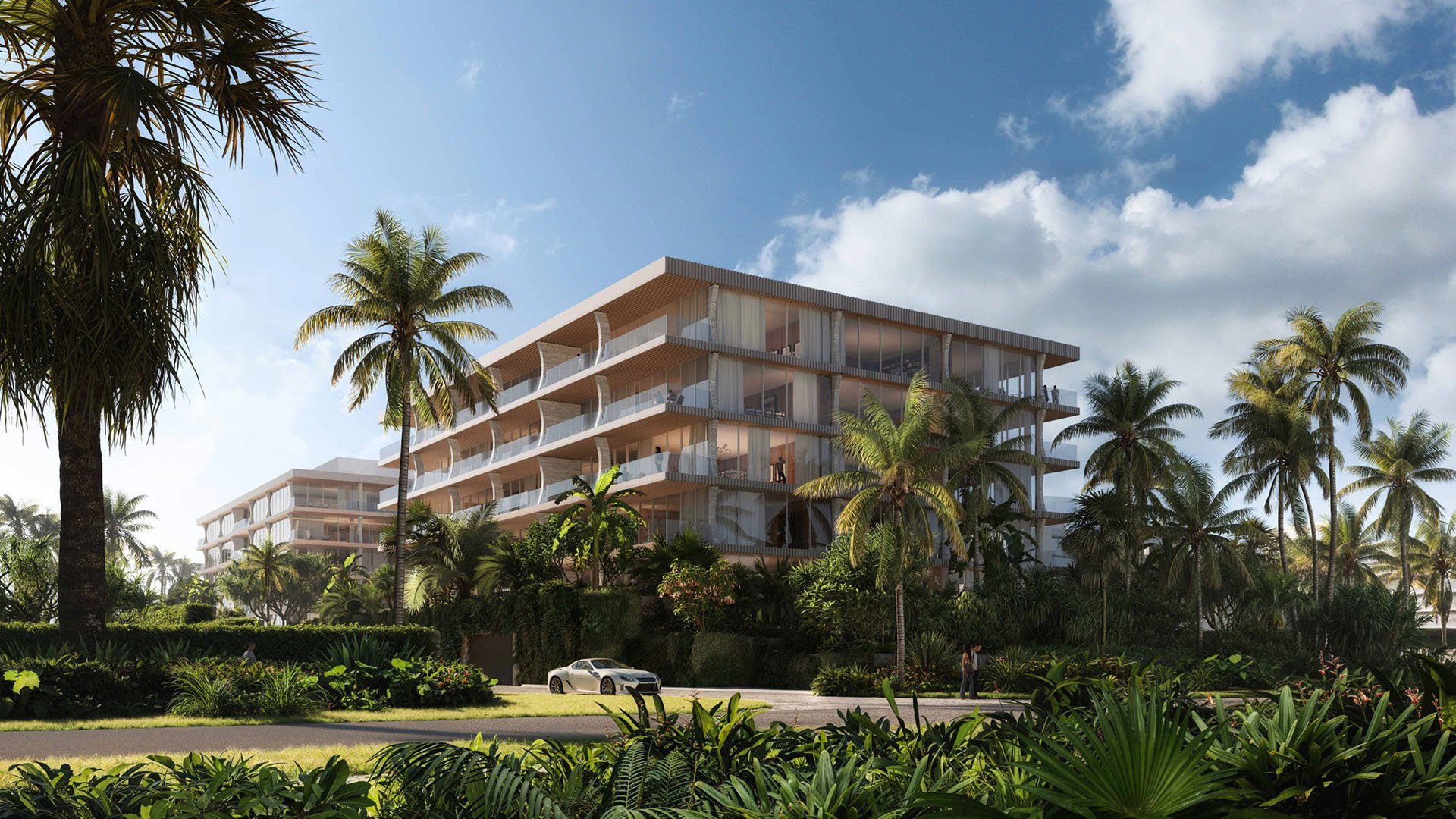
For a yacht owner, a Palm Beach residence is not truly convenient simply because the water is visible from the terrace. The more meaningful test is whether the home, vessel, crew, vehicles, provisions, and storm procedures function as one coherent system.
That distinction separates a beautiful waterfront address from a practical yachting base. Marina proximity matters, but proximity alone does not establish slip availability, protected access, permissible vessel dimensions, service standards, or the right to transfer a dock arrangement with a residence. Each point requires direct verification.
The strongest purchase is therefore personal, not universal. It aligns the residence with the owner’s vessel, cruising habits, staffing model, privacy preferences, and tolerance for operational complexity.
Begin with the yacht’s specifications and operating profile. Buyers should document overall length, beam, draft, height, shore-power needs, tender arrangements, fueling preferences, and anticipated crew movements. The navigation route should then be reviewed for the owner’s specific vessel rather than treated as a general neighborhood attribute.
A dock or slip also requires legal and financial review. Determine whether access is deeded, assigned, licensed, leased, wait-listed, or controlled by a separate operator. Ask whether the arrangement transfers on resale, whether the owner must also hold title to a residence, and which approvals apply to the yacht and crew.
Boat-slip due diligence should address dimensions, utilities, security, parking, loading access, guest procedures, maintenance responsibilities, fees, and restrictions on liveaboard use or commercial activity. Obtain the controlling documents and written confirmation before relying on marketing language.
A useful search can span Palm Beach Gardens, Palm Beach, and West Palm Beach, provided each candidate is assessed against the same vessel-specific brief. The objective is not to assume that every waterfront-branded residence includes marina privileges, but to identify which homes merit deeper legal, marine, insurance, and operational review.
In the northern part of the market, The Ritz-Carlton Residences® Palm Beach Gardens can be placed on an initial comparison sheet. Before advancing it to a final shortlist, a buyer should request current written details concerning any dock relationship, vessel criteria, ownership structure, costs, and storm procedures.
For buyers considering the island, Palm Beach Residences offers another residential reference point. The central question remains operational: Where would the yacht be kept, how would the owner and crew reach it, and which arrangements would remain dependable during peak occupancy or severe-weather preparations?
Across the water, Forté on Flagler West Palm Beach may be assessed through the same disciplined lens. Alba West Palm Beach can also enter the conversation without presuming that a visual connection to the water equals a secured berth. The guiding principle is straightforward: Compare documented rights and actual travel patterns, not renderings alone.
A yacht owner should experience the journey under real conditions. Review the route from the residence to parking, loading areas, the dock or off-site marina, and the vessel. Consider how luggage, catering, maintenance teams, guests, children, pets, and crew would move through that sequence.
On the water, request a vessel-specific navigation review. Questions should cover depth, tide sensitivity, overhead constraints, turning space, wake exposure, current, channel conditions, and access during busy periods. These are not details to infer from a map or a broad statement about ocean access.
If the berth is off-site, evaluate the arrangement as carefully as the home. Confirm operating hours, vehicle access, security protocols, provisioning rules, hurricane procedures, and the practical availability of service providers. Even a short geographic distance can create meaningful friction.
The condominium and yacht require separate but coordinated storm plans. For the residence, request the association’s current emergency procedures, insurance materials, reserve information, recent engineering documentation, generator scope, flood-related information, shutter or glazing requirements, elevator protocols, and rules governing terrace preparation.
For the vessel, obtain the marina’s written severe-weather plan. Clarify whether the yacht may remain, must relocate, or becomes subject to instructions at defined stages. Identify who has authority to move it, where it can go, how lines and equipment are managed, and what documentation the yacht insurer requires.
Timing warrants particular attention. The building, marina, captain, crew, insurer, and owner should not rely on conflicting assumptions. Buyers should ask their attorney, marine surveyor, insurance adviser, captain, and property inspector to review the relevant documents within the contract period.
The purchase price is only one component. Build a consolidated budget covering residence carrying costs, dock or marina charges, insurance, crew access, parking, utilities, maintenance, provisioning, transport, and storm preparation. Separate recurring obligations from variable charges and potential assessments.
Resale planning belongs in the same analysis. A residence and slip arrangement may not transfer together, and buyer qualifications or approvals may differ. The contract should accurately distinguish what is included, what is merely available, and what depends on a third party.
The best choice is the residence that withstands detailed verification. Insist on current documents, test the physical journey, model the annual operating burden, and coordinate the home’s emergency plan with the yacht’s requirements. In this category, discreet luxury is measured as much by reliable logistics as by architecture and views.
Does a waterfront residence automatically include a boat slip? No. Confirm the legal form, availability, transferability, and permitted use of any slip in writing.
What vessel information should a buyer provide first? Provide length, beam, draft, height, power requirements, tender needs, and the expected crew model.
Is marina proximity enough for a yacht owner? No. The complete route, access rules, service hours, security, and vessel compatibility also require review.
Who should review dock rights? A qualified attorney should examine the governing documents, agreement structure, transfer terms, restrictions, and fees.
Should the route to open water be tested? Yes. Arrange a vessel-specific review of navigation constraints and operating conditions before relying on general descriptions.
What storm documents should a condominium buyer request? Request current emergency procedures, insurance materials, engineering documentation, reserve information, and applicable owner obligations.
Can a yacht remain at its berth during severe weather? Do not assume so. Obtain the marina’s written policy and coordinate it with the vessel insurer and captain.
How should an off-site berth be evaluated? Review access, parking, loading, security, operating hours, service availability, costs, and storm requirements.
What belongs in the ownership budget? Include residential carrying costs, marina charges, insurance, utilities, maintenance, crew logistics, and storm preparation.
What is the most important contract safeguard? Ensure the contract distinguishes included rights from conditional availability and allows appropriate document and specialist review.
If you'd like a private walkthrough and a curated shortlist, connect with MILLION.
If branded residences are on your mind — as a home or as an allocation — we would be glad to share what we are seeing, privately.
Begin a quiet conversation