A buyer-focused framework for comparing boutique-scale new-construction opportunities in Sunny Isles Beach through insurance, reserve, budget and governance review.
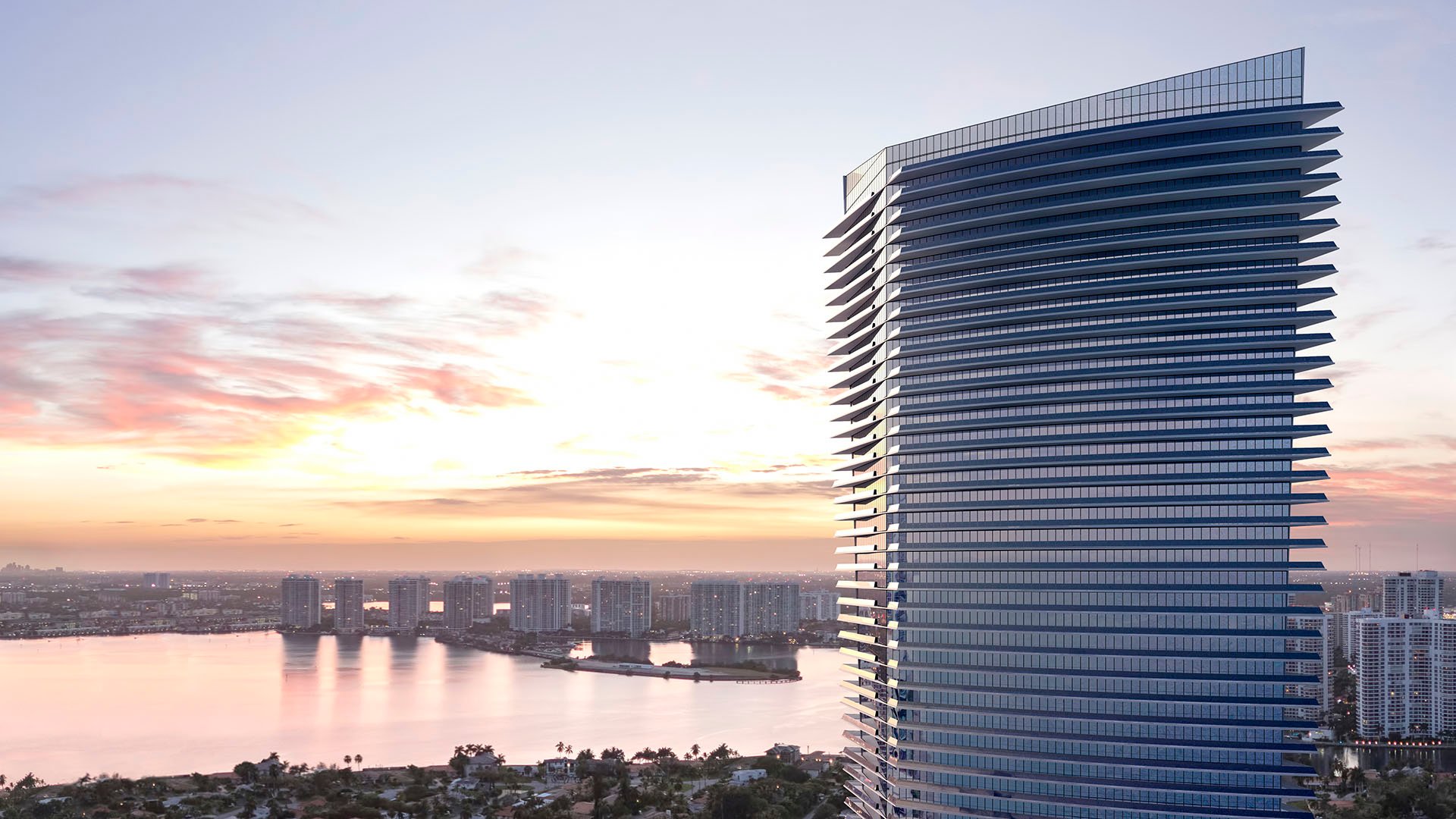
For this search, boutique scale is best treated as a combination of privacy, residential density, service model and governance rather than a rigid residence-count threshold. A tower can feel intimate while still supporting complex building systems, shared amenities and meaningful long-term obligations.
That distinction should shape the buying process. Architecture and floor plans matter, but they do not replace a careful review of the association’s proposed finances, insurance structure, reserve methodology and decision-making framework.
A focused comparison can begin with St. Regis® Residences Sunny Isles, Bentley Residences Sunny Isles and The Ritz-Carlton Residences® Sunny Isles. These candidates should not be ranked solely by branding, renderings or amenity lists.
Instead, request comparable documentation for each project and evaluate it with the same questions. The strongest fit will be the one whose privacy, services, recurring costs and governance structure align most clearly with the buyer’s priorities.
Reserve review should begin with the proposed or adopted budget, the treatment of major building components and the assumptions used for future capital needs. Buyers should ask which expenses are expected to be funded through regular assessments, which are assigned to reserves and how those estimates may change after turnover.
Useful materials can include available reserve studies, financial statements, budgets, meeting records and documentation addressing planned capital work. For a project under developer control, the first-year budget and turnover provisions deserve particular attention because early projections may not describe the full long-term ownership cost.
A low opening fee should not be evaluated in isolation. The more relevant question is whether the financial plan appears consistent with the building’s systems, service model and shared facilities.
An insurance review should identify available information about coverage limits, deductibles, exclusions and the division of responsibility between the association and individual owners. Buyers should also ask how insurance expenses are reflected in the budget and whether future changes could materially affect recurring costs.
The review should extend to the residence itself. A buyer’s insurance adviser and legal counsel can help distinguish association coverage from the protection an owner may need for interiors, personal property, liability and other exposures.
Governance documents can reveal how decisions are made, how shared expenses are allocated and what rights apply during and after developer control. Buyers should review available declarations, bylaws, rules, purchase agreements, disclosure materials and turnover provisions with qualified advisers.
Pay particular attention to voting rights, amendment procedures, use restrictions, leasing provisions and responsibility for shared amenities. The goal is not merely to identify restrictions, but to understand whether the operating structure supports the desired ownership experience.
Create a side-by-side worksheet for every candidate. Use the same categories for projected association costs, reserve assumptions, insurance terms, governance provisions, shared-expense allocations and turnover conditions.
Document requests should be made early enough for meaningful review before contractual deadlines. Any missing, preliminary or changing information should be clearly identified rather than treated as final.
The best match is ultimately the project where boutique-scale living and financial visibility coexist. A disciplined review can help separate the appeal of a presentation from the practical obligations of ownership.
What does boutique scale mean in a Sunny Isles Beach condo search? It can refer to privacy, residential density, service style and the overall ownership experience rather than only the number of residences.
Which Sunny Isles Beach projects can buyers compare? The article highlights St. Regis® Residences Sunny Isles, Bentley Residences Sunny Isles and The Ritz-Carlton Residences® Sunny Isles as candidates for further review.
Should buyers rank projects by branding alone? No. Branding should be considered alongside budgets, insurance details, governance documents and the allocation of shared expenses.
Which reserve materials are useful to request? Buyers can request available reserve studies, budgets, financial statements, meeting records and documents concerning planned capital work.
Why does the first-year budget matter? It offers a starting point for evaluating projected operating costs and reserve assumptions, particularly while a project remains under developer control.
What should an insurance review cover? Review available coverage limits, deductibles, exclusions and the responsibilities assigned to the association and individual owners.
Can a low opening association fee establish long-term affordability? Not by itself. Buyers should examine the assumptions behind the fee and how future insurance, reserve and operating needs may be handled.
Why are turnover provisions important? They help buyers understand the transition from developer control and the documents, obligations and decision-making rights associated with that process.
How should multiple projects be compared? Use the same categories and document requests for each candidate so differences in costs, reserves, insurance and governance are easier to identify.
Who should review condominium documents? Buyers should consider qualified legal, financial and insurance advisers who can assess the documents in light of the buyer’s circumstances.
For a discreet conversation and a curated building-by-building shortlist, connect with MILLION.
If branded residences are on your mind — as a home or as an allocation — we would be glad to share what we are seeing, privately.
Begin a quiet conversation