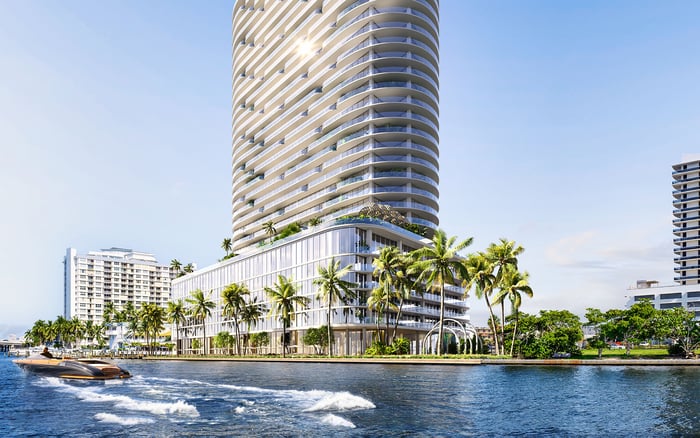
North Bay Village condo buyers evaluating resilience should compare backup-power scope, telecom redundancy, water and access systems, and storm-response staffing through written documentation. Continuum Club & Residences, Shoma Bay, and Tula Residences are relevant starting points for project-specific due diligence, but no project should be treated as a verified leader without current technical and operational records.
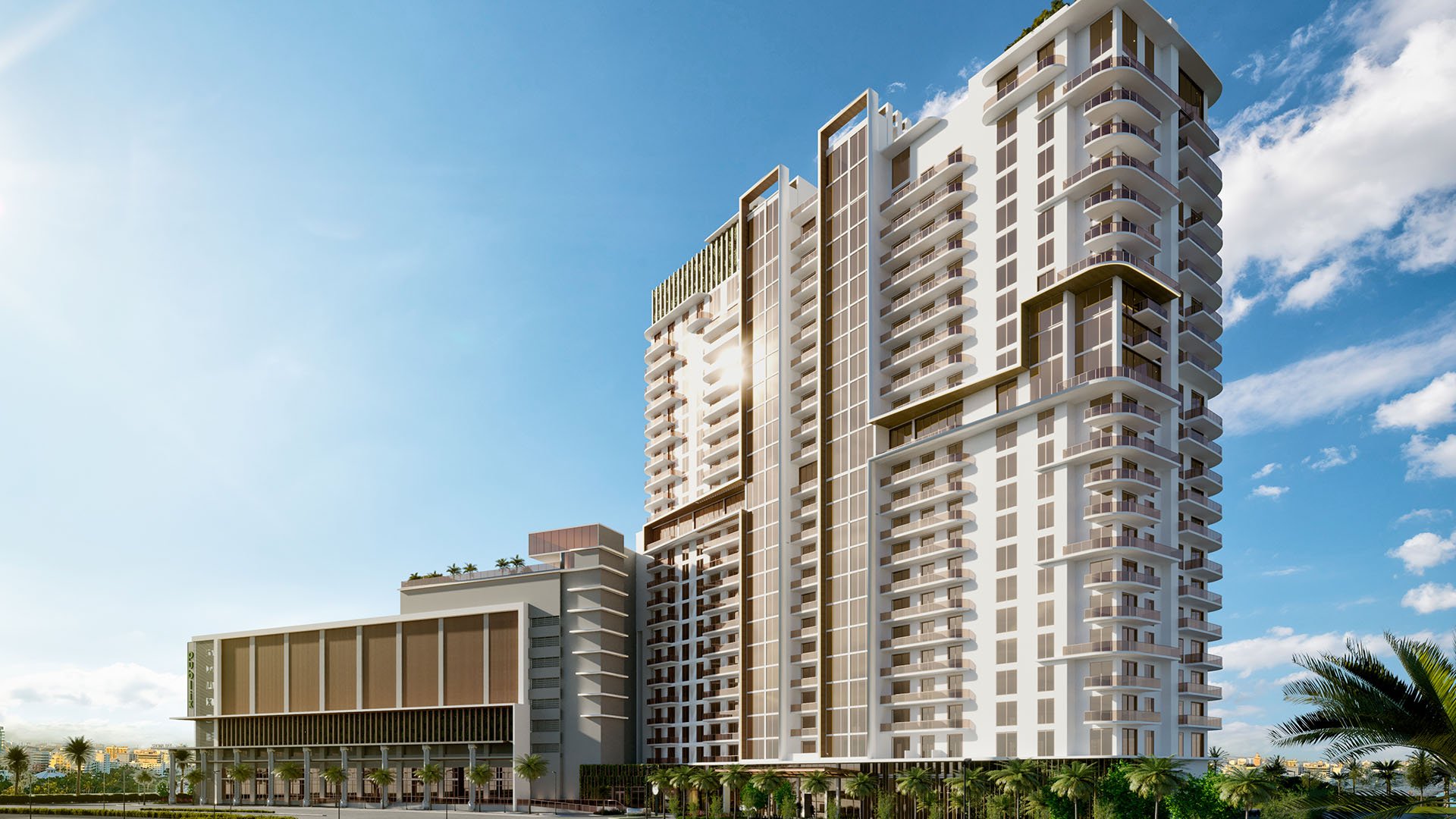
For buyers considering a new-construction condominium in North Bay Village, resilience deserves the same scrutiny as design, views, amenities, and finishes. Backup power, water service, connectivity, access control, resident communications, and trained personnel can shape how effectively a property operates during and after a severe-weather event.
Marketing language alone cannot establish whether a building will preserve essential routines. A statement that a property includes a generator does not explain which systems receive power, how elevators are prioritized, whether pumps remain operational, or how long supported services are expected to continue. Those details require current written records.
In a storm, true luxury is the ability of a building to preserve essential routines.
Relevant starting points for a resilience-focused search include Continuum Club & Residences North Bay Village, Shoma Bay North Bay Village, and Tula Residences North Bay Village. These project pages can help buyers organize an initial shortlist, but they do not replace engineering schedules, condominium documents, management exhibits, or direct written responses from the appropriate project representatives.
No candidate should be described as the strongest option for backup power, connectivity, or storm staffing until comparable documentation is available. Project availability, construction status, specifications, and operating plans should also be confirmed before a buyer relies on them.
A useful comparison should apply the same questions to every property. That approach limits the influence of polished presentations and makes it easier to distinguish a basic life-safety system from a broader continuity plan.
The generator load schedule is central to the review because it identifies the circuits intended to receive emergency power. Buyers should ask whether coverage is limited to required life-safety equipment or extends to elevators, domestic-water pumps, sewage-related systems, access controls, gates, garage equipment, management systems, resident communications, and selected common areas.
Elevator coverage requires precise language. Confirm how many cars are intended to operate, whether service is simultaneous or sequential, and what procedures govern elevator use during an extended outage. Water systems deserve similar attention because upper-floor service may depend on powered pumping equipment.
Fuel information should be reviewed alongside the supported loads. Request the fuel type, storage arrangement, stated runtime assumptions, testing procedures, maintenance responsibilities, and any reliance on post-storm deliveries. A runtime estimate is meaningful only when its assumed load and operating conditions are clear.
Cooling should be treated as a separate question. Even if private residences are not connected to backup cooling, a powered and conditioned common area may support post-storm habitability. Buyers should identify the exact spaces covered and determine whether the commitment appears in binding documentation or only in a sales discussion.
Multiple internet providers do not necessarily create true redundancy. If services use the same entrance, conduit, equipment room, or upstream route, one physical failure may affect every connection. Buyers should request a telecom riser diagram and written clarification of the routes serving the property.
The review should also address cellular enhancement equipment, building management controls, cameras, access systems, package systems, and resident messaging platforms. If these tools are expected to work during a utility interruption, their network equipment and supporting hardware may also require emergency power.
Ask how management plans to communicate when normal channels are unavailable. A resilient communication plan may need more than one method, defined responsibility for updates, and clear procedures for residents who are away from the property.
Equipment is only one part of continuity. A written hurricane plan should identify who prepares the property, who has decision-making authority, how residents receive notices, when building systems are shut down, and how initial inspections and controlled re-entry are handled.
Staffing questions should distinguish between personnel scheduled before a storm, personnel who may remain if conditions allow, and teams expected to return afterward. Buyers should avoid assuming that engineering, security, housekeeping, or management coverage will continue unless the applicable plan says so.
Vendor readiness also matters. Request information about arrangements for generator service, elevator support, water removal, security, and other essential recovery work. The goal is not to assume immediate service but to understand who is responsible for mobilization and how priorities are established.
Any accommodation for residents with mobility or medical concerns should be verified through written policy. A buyer should not infer a service or emergency capability that the building has not expressly committed to provide.
A focused resilience file should include the generator load schedule, supported-circuit list, fuel assumptions, maintenance provisions, elevator sequence, water-pumping coverage, and common-area cooling plan. It should also contain available telecom diagrams, connectivity specifications, hurricane procedures, emergency vendor information, staffing protocols, and resident communication plans.
Condominium and contract documents require careful review because specifications and future operations may be addressed differently. Buyers should determine which features are binding, which remain subject to change, and which services may ultimately depend on decisions by the condominium association.
Use a written comparison grid for every shortlisted project. Record whether each requested item was provided, whether the response is contractual or informational, and which questions remain unresolved. This creates a clearer basis for comparing properties without converting unanswered questions into assumptions.
The best North Bay Village choice will depend on a buyer's priorities and the quality of the documentation available at the time of review. Strong resilience is demonstrated through defined systems, realistic operating procedures, and written commitments-not through an amenity list alone.
For discreet guidance through North Bay Village’s evolving condominium market, connect with MILLION.
If branded residences are on your mind — as a home or as an allocation — we would be glad to share what we are seeing, privately.
Begin a quiet conversationContinuum Club & Residences, Shoma Bay, and Tula Residences are relevant starting points. Buyers should compare current technical and operational documents before drawing conclusions.
No. Buyers should review the generator load schedule to identify the circuits and systems intended to receive emergency power.
They should confirm how many elevators are supported, whether operation is simultaneous or sequential, and what procedures govern service during an outage.
Water service may depend on powered pumping equipment. Written documentation should identify whether relevant pumps receive emergency power.
Buyers should request the fuel type, storage arrangement, runtime assumptions, maintenance procedures, and any dependence on fuel deliveries.
No. Services may still share an entrance, conduit, equipment room, or upstream route that creates a common point of failure.
It should address service entrances, physical routing, network equipment, cellular systems, access controls, and emergency power for supporting hardware.
It should define preparation, authority, resident communications, shutdown procedures, inspections, vendor mobilization, and controlled re-entry.
Equipment requires people to prepare, monitor, inspect, and restore it. Buyers should verify staffing responsibilities and timing in writing.
Key records include power schedules, fuel assumptions, elevator and pumping coverage, telecom diagrams, hurricane procedures, staffing protocols, and relevant contract or condominium provisions.