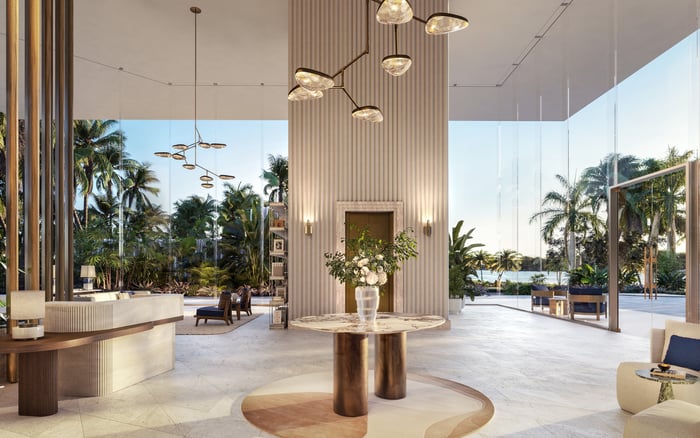
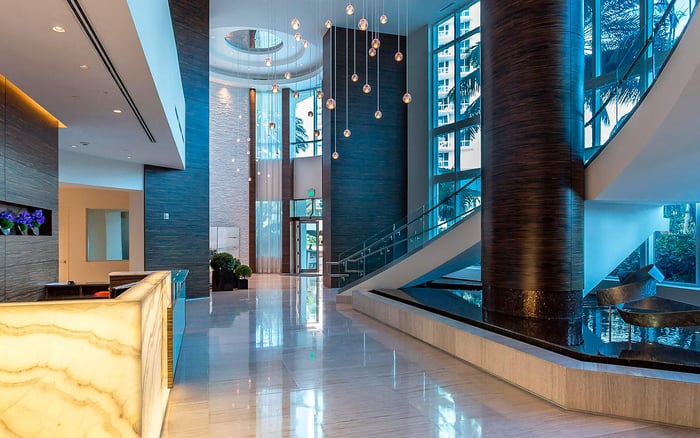
For luxury buyers, “clean” is no longer a backstage detail. In Miami Beach, wellness-minded owners increasingly expect housekeeping that protects air quality, finishes, and privacy without relying on harsh fragrances or chemical cocktails. This editorial frames what organic, toxin-free cleaning means in a condominium context, what to ask building management and service partners, and which Miami Beach developments are best positioned to deliver a truly low-tox standard.
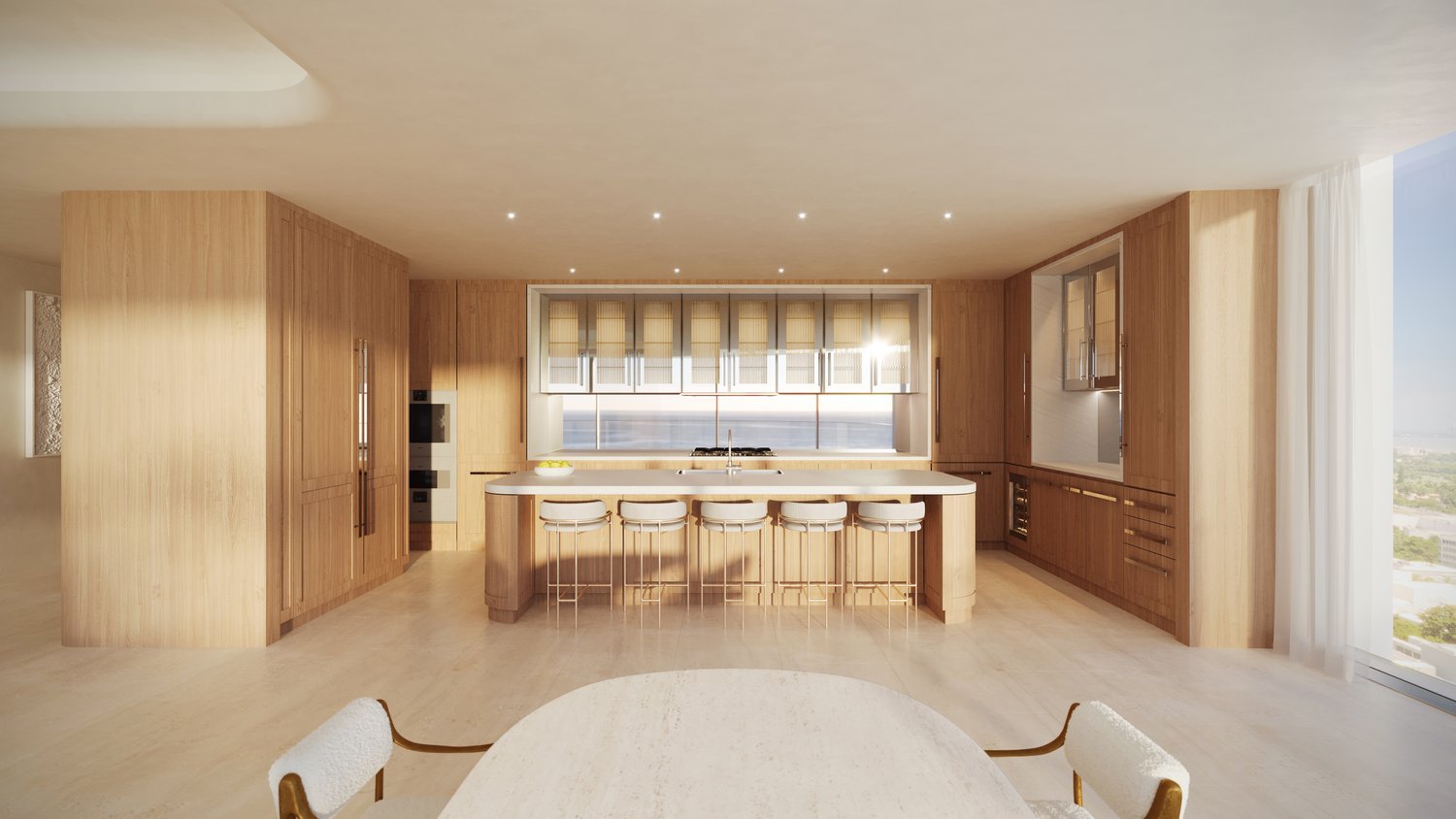
In an oceanfront market where buyers scrutinize glazing specs, HVAC performance, and spa programming, housekeeping has quietly become another expression of wellness. In a luxury residence, “organic, toxin-free cleaning” is less about trend language and more about limiting unnecessary exposure to heavy fragrances and aggressive chemicals-while still delivering the crisp result a white-glove home requires.
In practice, discerning owners tend to prioritize three outcomes: a home that smells like nothing, surfaces maintained without dulling or etching, and a protocol that stays consistent whether the property is lived in full-time or held as a second-home. Miami Beach makes this especially relevant: salt air, humidity, and frequent glass-and-stone maintenance can tempt teams toward stronger solvents and deodorizers. Done correctly, a low-tox approach protects the resident experience and long-term finish integrity.
Even in top-tier properties, “green” can mean many things. The fastest clarity comes from specifics that tie directly to day-to-day operations.
First, confirm product standards and controls. Are products fragrance-free by default? Are disinfectants used only where necessary? Is there a management-approved product list, and is it standardized across staff and vendors? Second, ask how the team handles ventilation and dry time. Toxin-conscious cleaning depends on airflow, microfiber technique, and timing-not just what’s inside a bottle.
Third, probe materials literacy. Miami Beach homes often feature natural stone, high-gloss cabinetry, specialty metals, and wide-plank wood. A toxin-free promise only matters if the team understands which surfaces should never see acidic cleaners, abrasive powders, or oily residues.
Finally, privacy matters. The most elevated service experience is quiet, predictable, and discreet: controlled access, clear scheduling, and minimal friction for owners and household staff.
Miami Beach does not publish a universal standard for “organic cleaning services” at the building level, and service offerings can vary by owner preference, staff direction, and approved vendors. That said, certain developments are structurally better positioned for toxin-conscious housekeeping because they are service-oriented, amenity-rich, and designed for high-touch residential operations.
1. Continuum on South Beach - South of Fifth service culture
A true full-service environment is the foundation for consistent housekeeping protocols, including low-tox preferences. In a South of Fifth context-where many residences are carefully curated and frequently staffed-owners can more easily implement a building-approved routine: fragrance-free common-area expectations, controlled service access, and predictable scheduling that avoids disruption.
For buyers prioritizing organic cleaning, the advantage isn’t a label-it’s operational maturity. A service-forward culture makes it easier to maintain a standardized product set, document preferences, and keep the home guest-ready without resorting to aggressive masking scents.
2. Apogee South Beach - boutique scale, high discretion
Toxin-free cleaning is as much about what’s avoided as what’s used, and boutique luxury buildings often excel at discipline and consistency. With fewer residences, routines can be tailored, preferences remembered, and staff oversight tighter. That becomes meaningful when an owner requests no added fragrance, no chlorine-based products near metalwork, or special care for stone.
Apogee’s appeal for a wellness-minded owner is the blend of privacy and control. When you want a home to feel immaculate without smelling “clean,” consistency is the luxury.
3. Setai Residences Miami Beach - hotel-grade expectations, residence-level privacy
The most effective low-tox housekeeping feels invisible: clean air, clean lines, and no lingering chemical presence. In residence environments attached to hospitality-grade operations, it can be easier to secure a reliable cadence and elevated finishing standards, while still customizing products and methods.
In a Miami Beach lifestyle where homes may shift between personal use and hosting, a service ecosystem built for turn-key readiness can support toxin-conscious outcomes-especially when the owner clearly specifies fragrance-free and residue-minimizing protocols.
4. The Perigon Miami Beach - modern oceanfront living with wellness momentum
Newer luxury developments tend to attract a buyer profile that actively asks for wellness-forward operations, from air quality to maintenance protocols. That cultural expectation matters: it nudges management and vendors toward more transparent product choices, more careful surface care, and clearer communication.
For organic and toxin-free cleaning, the advantage is alignment. When residents value low-tox living, vendors are more likely to stock fragrance-free, finish-safe solutions, and teams are more likely to follow documented checklists rather than improvising with harsh, fast-acting chemicals.
5. Shore Club Private Collections Miami Beach - lifestyle service, curated routines
A residence positioned around lifestyle and hospitality naturally treats housekeeping as part of the ownership experience-not a back-office necessity. That creates room for the details toxin-free buyers care about: strict preference notes, controlled entry, and an emphasis on “fresh” that comes from technique and textiles, not perfumed sprays.
For residents who want organic cleaning as a default, the goal is to formalize it: approved products, training, and a repeatable standard that delivers the same result every visit.
The highest standard isn’t “natural at all costs.” It’s a balanced protocol that uses the gentlest effective approach, then reserves targeted disinfecting for truly high-touch zones. Owners who achieve the best results typically do three things.
They define the brief in writing. A one-page preference sheet can specify “no fragrance,” “no chlorine-based products,” and “no aerosol deodorizers,” along with guidance for stone, wood, and metal finishes. It should also state what you do want: microfiber-only glass care, neutral-pH stone products, and HEPA-filtered vacuuming where applicable.
They choose textiles and tools that reduce chemical dependence. Quality microfiber systems, proper dilution, and fresh mop heads do more for “clean” than stronger concentrates. This matters in Miami Beach, where humidity can turn residue into streaking or a sticky feel.
They audit the first two cleanings. The first visit sets the baseline; the second confirms consistency. A discreet walkthrough can catch small issues that compound over time: fragrance in laundry additives, harsh bathroom disinfectant left on fixtures, or residue on matte cabinetry.
While Miami Beach remains the symbol of oceanfront glamour, wellness-driven home care is increasingly a regional expectation. Buyers comparing neighborhoods often look for a similar ethos in nearby enclaves and newer wellness-positioned projects.
For example, buyers who split time between the beach and quieter islands often explore buildings that lean into wellness programming and lifestyle operations, such as The Well Bay Harbor Islands, where the conversation naturally includes what enters the home-from air to materials to maintenance. Others who maintain a second residence off the sand may consider a new-construction environment like 2200 Brickell for a more controlled, modern building ecosystem.
On the oceanfront north of Miami Beach, some buyers prioritize a similarly elevated service expectation at a different pace, pairing a Miami Beach residence with an additional coastal address like 2000 Ocean Hallandale Beach. The throughline is the same: luxury now includes product transparency, finish protection, and housekeeping that supports health-forward living.
When touring or reviewing a building, keep the questions elegant and concrete.
Start with governance: Does the building allow owners to use their own preferred vendors? Is there a list of approved service providers? Are service elevators and access points managed in a way that preserves discretion?
Then move to operations: Can the building or concierge coordinate recurring housekeeping? Is there a standard approach to common-area cleaning that avoids heavy scents? Are there policies that reduce chemical drift into corridors and elevators?
Finally, confirm compatibility with your finishes and lifestyle. If you entertain frequently, you want quick resets without chemical odor. If you travel, you want secure access and consistent results. If you have sensitivities, you want a documented, repeatable protocol that doesn’t depend on a single staff member remembering your preferences.
What does “toxin-free” cleaning typically mean in a luxury condo? It usually means fragrance-free, residue-minimizing products and techniques, with targeted disinfecting only where needed.
Is “organic” cleaning always safer for marble and natural stone? Not automatically. The key is using pH-appropriate products and avoiding acids or abrasives that can etch.
Can a building guarantee organic cleaning for my private residence? Some can coordinate preferred vendors or staff routines, but owners should document product and method requirements.
What’s the biggest giveaway that a cleaning routine is too chemical-heavy? Persistent fragrance, sticky residue on floors, and dulled metal or stone finishes are common signs.
Do fragrance-free homes still feel “five-star” clean? Yes. The most elevated result is crisp, neutral air and meticulous detailing, not perfume.
Should I supply my own products to ensure standards? Often yes, especially at move-in. A consistent kit removes ambiguity and protects specialty finishes.
How do I protect wood floors and cabinetry with low-tox cleaning? Use minimal moisture, avoid oily polishes, and prioritize microfiber with finish-safe, low-residue solutions.
Are essential oils a good alternative to synthetic fragrance? Not always. Some owners prefer truly unscented protocols since essential oils can still irritate sensitivities.
What should I ask the concierge or property manager directly? Ask whether they can coordinate recurring housekeeping and whether your “no fragrance, no harsh chemicals” brief can be noted.
How often should a second-home in Miami Beach be professionally cleaned? It depends on occupancy and humidity, but a light, consistent schedule helps prevent residue, dust, and salt buildup.
For a tailored shortlist and next-step guidance, connect with MILLION Luxury.
If branded residences are on your mind — as a home or as an allocation — we would be glad to share what we are seeing, privately.
Begin a quiet conversation