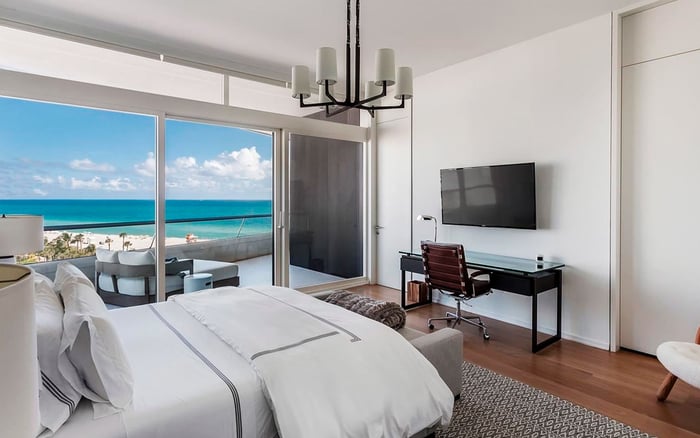
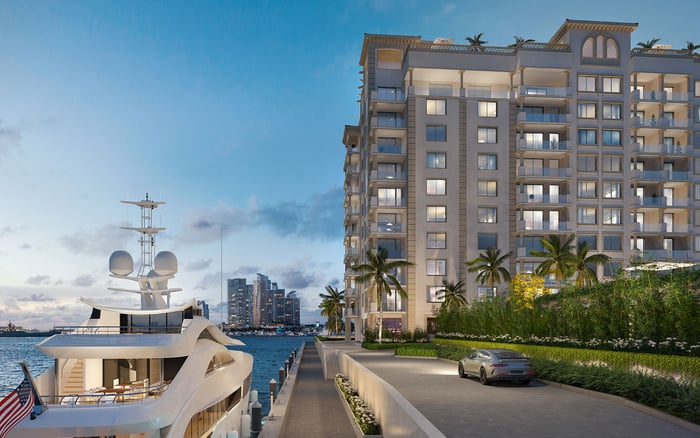
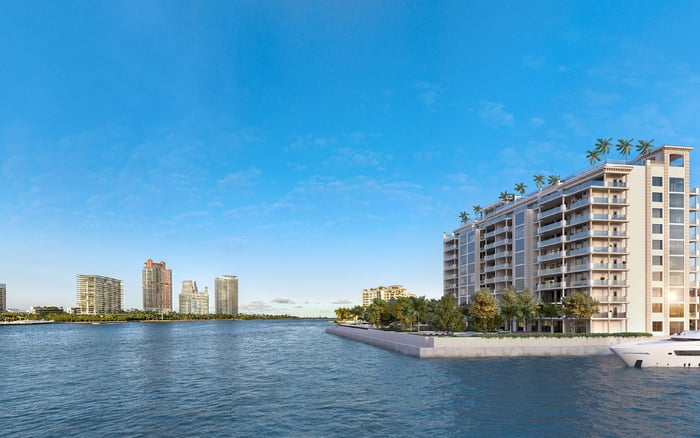
For buyers planning home-based care at The Ritz-Carlton Residences® Miami Beach, the essential diligence extends beyond concierge service. Confirm residence-specific backup power, caregiver parking and credentials, and emergency responder access before closing.
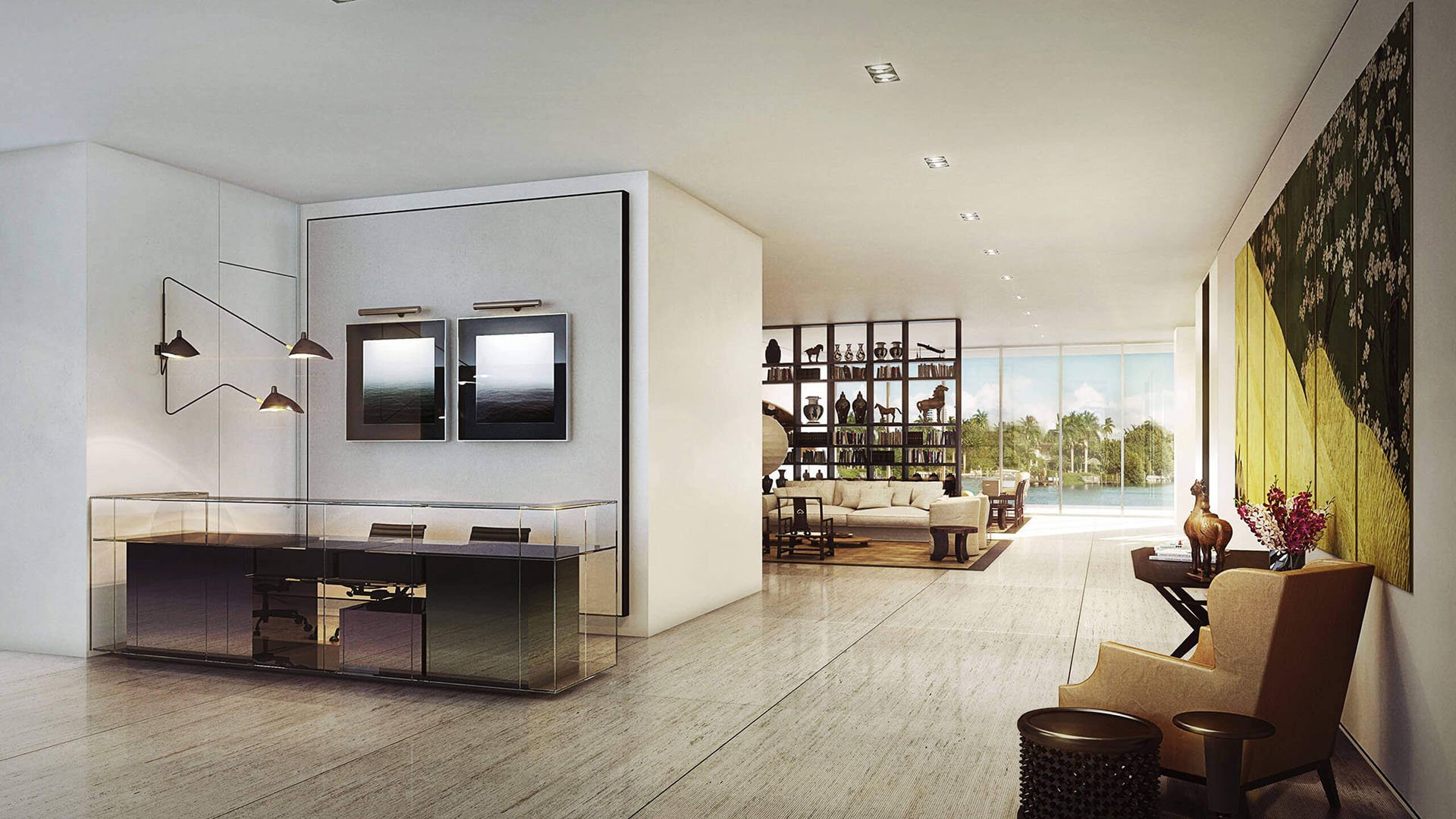
At The Ritz-Carlton Residences® Miami Beach, the purchase decision may extend beyond design, outlook, and service. For a household relying on powered medical equipment or recurring caregivers, the defining question is whether the intended residence can support daily care and a carefully considered emergency plan.
The condominium community is at 4701 North Meridian Avenue, Miami Beach, FL 33140. Advertised services include 24-hour valet parking, two attended lobbies, concierge assistance, and housekeeping. Those conveniences belong in the ownership assessment, but they do not establish medical-equipment power, caregiver privileges, or a residence-specific responder protocol.
The distinction matters: these arrangements remain unverified, not necessarily unavailable. A prudent buyer confirms them before closing rather than deferring the task until move-in.
The wellness offering includes a fitness center, spa, sauna, steam room, treatment suite, and yoga areas. These are wellness amenities, not documented clinical-care facilities. Neither a treatment suite nor concierge assistance confirms on-site medical staffing.
Likewise, the advertised private Frauscher yacht and 36 private boat docks do not establish medical transport or emergency evacuation capability. The care plan must stand independently of leisure amenities.
For buyers also considering The Perigon Miami Beach, apply the same distinction without assuming equivalent systems or policies. Compare written, residence-specific answers rather than carrying expectations from one property to another. Service offerings and clinical support arrangements should remain separate entries in the purchase assessment.
Begin with a practical brief prepared with the household's care team and equipment supplier. Identify which devices need electricity, when caregivers arrive, whether shifts overlap, and what assistance the resident may need between the vehicle and the residence. Share only the operational information necessary to evaluate the property.
Ask management for condominium rules, parking and valet policies, relevant emergency plans, generator records, and restrictions affecting home-health services or equipment. Have counsel consider how the proposed purchase and its deadlines should address any essential unresolved condition.
Keep every question specific to the intended residence. A general description of building services cannot establish which outlets receive backup power, how a replacement caregiver enters at night, or which route responders would use. Seek written answers that identify each arrangement and its limits.
Generator-backed outlets and dedicated backup circuits for medical equipment inside individual residences remain unconfirmed. An assumption about common-area backup power is no substitute for an answer about the equipment's actual connection point.
Request written confirmation from management and engineering of supported unit circuits, generator loads, expected backup duration, and elevator coverage. Ask them to distinguish building systems from those serving the intended residence. The answer should specify what is supported, not simply state that backup power exists.
Give those details to the equipment supplier for a compatibility assessment. Ask the supplier to evaluate the device's needs against the documented arrangement, including any interruption during a power transition. Have the care team help establish an appropriate contingency if building power cannot meet those needs.
Before closing, seek a clear record of the relevant outlets or circuits and any operational limitations. If confirmation remains outstanding, keep it identified as an unresolved purchase issue-not an implied amenity. Equipment-dependent care should not rest on a verbal reassurance about a generator.
Twenty-four-hour valet service does not establish caregiver-only spaces, reduced parking charges, or overnight privileges. The number, dimensions, and location of accessible or caregiver-designated spaces also remain unspecified.
Ask how recurring caregivers are registered, whether overnight staff follow different procedures, and how substitute personnel receive approval. Confirm fobs, elevator permissions, parking charges, and any loading arrangements needed for equipment or supplies. Two attended lobbies do not, by themselves, explain these procedures.
Work through the household's actual schedule with management and valet staff. Consider a late arrival, a shift overlap, and an unfamiliar replacement caregiver. Ask who resolves access problems after hours and whether the household must be available to authorize entry each time.
For a buyer whose shortlist includes Five Park Miami Beach, use the same caregiver schedule to compare properties. Request each property's own answers; do not presume shared parking policies or access privileges. Consistent questions make differences easier to evaluate.
A dedicated ambulance bay, guaranteed staging location, and residence-specific EMS access procedure remain undocumented. The next step is a coordinated conversation-not a conclusion that access is assured or unavailable.
Ask management to identify the intended EMS staging location, responder entrance, emergency key access, elevator procedures, and stretcher route to the residence. Clarify who handles building access and how arrangements change when ordinary entry or elevator service is disrupted.
Arrange a curb-to-residence walk with management, engineering, and valet staff, involving a fire-safety representative where permitted. Follow the proposed route through the entrance, elevator, corridors, and residence threshold. Have the appropriate professionals assess clearance and equipment-movement questions rather than judging suitability by appearance alone.
Record what is confirmed and what needs further review. The exercise should clarify the building's intended procedures, not promise ambulance availability, response times, or uninterrupted access under every emergency condition.
Before ownership transfers, assemble the written answers in a household operations file. Include approved caregiver arrangements, parking terms, access contacts, equipment-power documentation, and the emergency procedures management has provided. Have the care team review the parts relevant to the resident's needs.
Keep municipal planning resources and general accessibility references separate from the file's property-specific confirmations. They do not establish the condominium's operating policies or the intended residence's electrical support. Any unresolved compliance question warrants professional review, not an inference from the amenity offering.
After closing, revisit the arrangements when caregivers, equipment, or household needs change. Ask management how policy updates will be communicated, and confirm that replacement staff understand the approved access process. The aim is a residence whose service environment supports the household's routine, with limits understood in advance.
For a discreet, residence-focused approach to your South Florida purchase, connect with MILLION.
If branded residences are on your mind — as a home or as an allocation — we would be glad to share what we are seeing, privately.
Begin a quiet conversationThe condominium community is at 4701 North Meridian Avenue, Miami Beach, FL 33140.
Generator-backed outlets and dedicated medical-equipment backup circuits inside individual residences remain unverified. Request written confirmation for the intended residence from management and engineering.
Request supported unit circuits, generator loads, expected backup duration, and elevator coverage. Have the equipment supplier assess compatibility with the documented arrangement.
Advertised 24-hour valet does not establish caregiver-specific privileges, discounts, or overnight arrangements. Confirm those terms separately before closing.
Public service descriptions do not establish their number, dimensions, or location. Ask management to identify the available arrangements relevant to the household.
The public descriptions do not explain those procedures. Confirm registration, authorization, fobs, elevator permissions, and after-hours support with management.
The fitness center, spa, treatment suite, and other wellness amenities do not establish an on-site clinical-care service. Plan household care independently unless a specific service is confirmed.
A dedicated ambulance bay and guaranteed staging location are not documented in the public amenity descriptions. Ask management to explain the intended responder staging and entry arrangements.
Request participation from management, engineering, and valet staff, with a fire-safety representative where permitted. Follow the proposed curb-to-residence route and refer clearance questions to appropriate professionals.
Request condominium rules, parking and valet policies, relevant emergency plans, generator records, and restrictions affecting home-health services or equipment. Keep written residence-specific confirmations with the household's ownership records.