A discreet buyer’s guide to evaluating Bay Harbor Islands waterfront residences through the lenses of privacy, density, arrival, views, outdoor space, and long-term livability.
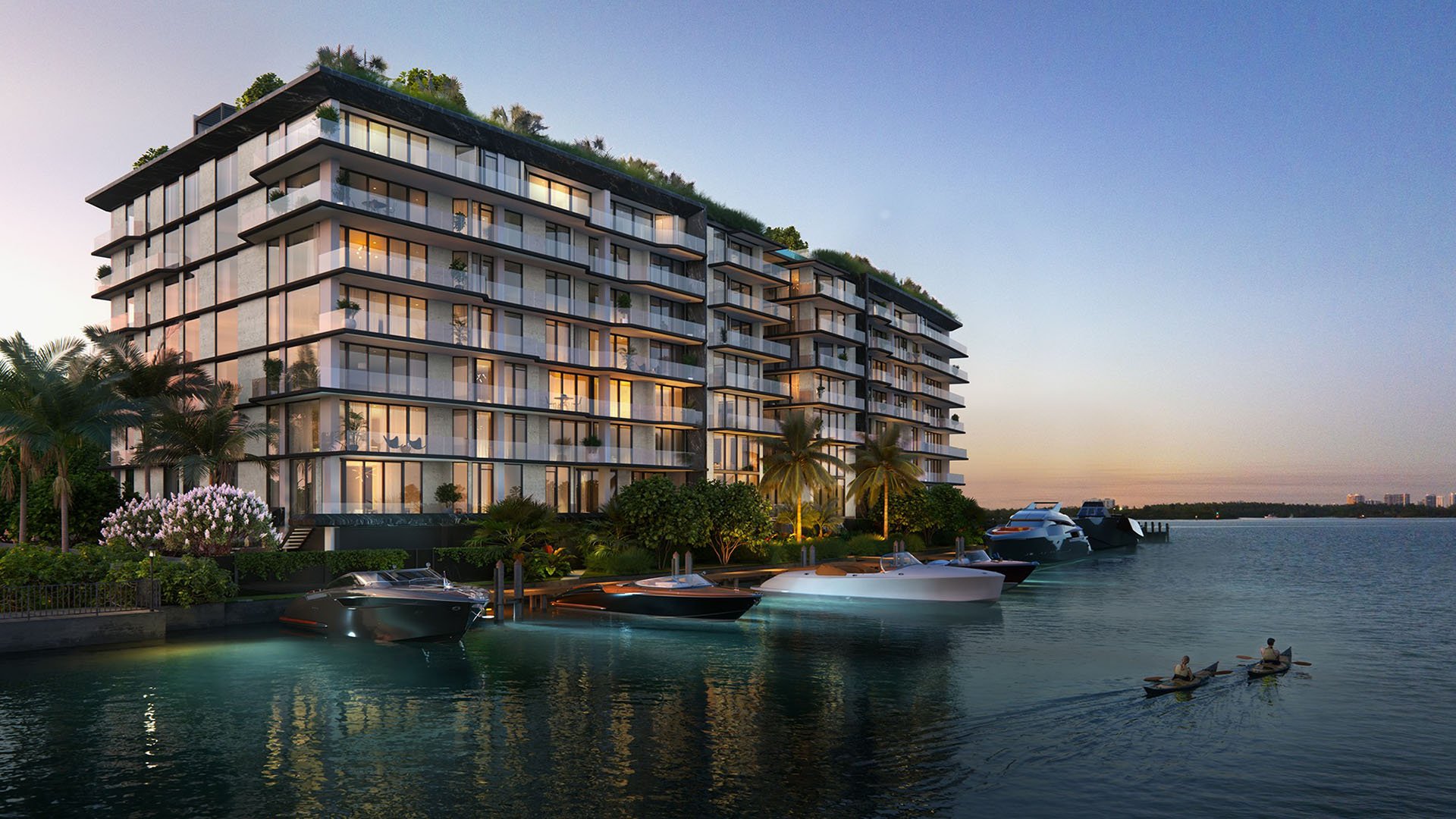
For buyers seeking a quieter expression of waterfront living, the most compelling residence is rarely defined by a single amenity or dramatic rendering. Privacy is the cumulative result of architecture, circulation, orientation, staffing, and the number of people encountered between the street and the front door.
That makes a low-density search unusually personal. One buyer may prioritize a private elevator approach; another may care more about limited sightlines from neighboring terraces. A boating household may place water access at the center of the decision, while a seasonal owner may value discreet management and a simple lock-and-leave routine above all else.
In Bay Harbor Islands, a strong shortlist begins by translating the word “private” into observable conditions. The buyer’s brief should remain precise: fewer shared moments, controlled exposure, calm interiors, and waterfront outlooks that feel composed rather than public.
A focused search can begin with Bay Harbor Towers, assessed not through broad prestige signals but through the specific residence, its approach, neighboring sightlines, and relationship to shared spaces. The name merits inclusion in a privacy-led comparison, but every material attribute should be confirmed for the opportunity under consideration.
Buyers can then compare that experience with La Maré Bay Harbor Islands. During a private tour, move deliberately from arrival to lobby, elevator, corridor, residence, and terrace. That sequence often reveals more about discretion than any amenity list could.
La Baia North Bay Harbor Islands is another name to assess within the same disciplined framework. Ask how daily circulation functions at different times, where service activity occurs, and whether the principal rooms feel visually protected without sacrificing light or water views.
A waterfront-oriented search may also include Onda Bay Harbor. For buyers using a boat-slip requirement as a filter, availability, dimensions, access rights, operating rules, costs, and transfer conditions should all be independently verified before the feature influences value.
Finally, Origin Bay Harbor Islands can form part of a broader boutique search. The label itself is secondary. What matters is how the building’s scale, residence mix, common areas, and operating structure support the buyer’s preferred rhythm of ownership.
Low density is best understood through experience. Begin with the number of residences sharing the relevant elevator, corridor, amenity level, and arrival path. Then examine whether staff, deliveries, guests, vendors, and residents use overlapping routes. Even a visually intimate building can feel active when those flows converge.
Floor preference also requires nuance. Lower floors can offer a closer visual relationship with the water, yet may demand greater attention to privacy from adjacent properties, walkways, docks, or shared areas. Higher positions may broaden outlooks, but they do not automatically eliminate lateral views from neighboring terraces. Stand at every principal window and outdoor edge rather than relying solely on floor plans.
Repetition is the most revealing test. Visit more than once, if access permits. Observe the arrival, elevator wait, sound transfer, terrace exposure, and transition between indoor and outdoor rooms. Privacy should remain convincing in ordinary use, not only during a carefully staged showing.
Waterfront appeal begins with the view but extends to orientation, exposure, access, and stewardship. Ask what is visible from seated positions in living areas, bedrooms, and terraces. Consider whether neighboring structures frame the outlook elegantly or create direct visual contact. Review how glazing, shades, landscaping, and terrace depth affect privacy throughout the day.
For any waterfront residence, buyers should also investigate the practical responsibilities of the setting. Building documents, insurance terms, maintenance obligations, reserve information, and planned work merit professional review. If boating is part of the brief, legal access and operational suitability matter more than proximity alone.
Within the residence, assess acoustic separation, mechanical noise, window performance, service access, storage, and the placement of primary rooms. A serene view can be compromised by an exposed entrance, a busy corridor, or equipment audible from the terrace. The best choice aligns the water, the plan, and the building’s daily operations.
Privacy-focused buyers benefit from comparing residences through a consistent scorecard. Rate each opportunity across arrival, elevator sharing, corridor exposure, terrace sightlines, bedroom separation, guest movement, service circulation, sound, and water orientation. Assess aesthetics separately from operational privacy, ensuring beautiful finishes do not obscure a weak plan.
Before contracting, engage qualified legal, financial, insurance, inspection, and design advisers to examine the relevant documents and physical conditions. Confirm current pricing, availability, fees, restrictions, inclusions, parking, storage, amenity access, and any waterfront or boating rights directly. The objective is not simply to buy into a desirable address, but to secure a residence whose discretion endures in daily life.
What defines a privacy-focused waterfront residence? It combines controlled arrival, limited visual exposure, thoughtful circulation, acoustic comfort, and a protected relationship with the water.
Does low density always mean greater privacy? No. Circulation patterns, shared elevators, terrace sightlines, staffing, and guest movement can matter as much as the overall residence count.
Should buyers favor a particular floor? Not automatically. Evaluate the outlook, neighboring sightlines, sound, arrival convenience, and experience from seated positions on each floor.
How should terrace privacy be assessed? Stand at the terrace edges and seating areas, then study views toward neighboring windows, balconies, docks, and common spaces.
What should boating buyers verify? Confirm availability, permitted use, dimensions, access, fees, operating rules, and transfer conditions with appropriate advisers.
Why does the arrival sequence matter? It reveals how residents, guests, deliveries, staff, and vendors intersect before anyone reaches the private residence.
Are amenities important in a low-density search? Yes, but their placement and usage patterns may matter more than their number. Calm access can be more valuable than abundance.
What documents deserve close review? Buyers should have advisers examine governing documents, budgets, reserves, insurance information, restrictions, disclosures, and relevant contracts.
How can sound privacy be tested? Listen near entries, bedrooms, mechanical areas, elevators, shared walls, terraces, and exterior circulation during a careful inspection.
What is the best way to compare shortlisted residences? Use the same privacy scorecard for each property, then verify every material detail before assigning value or making an offer.
When you're ready to tour or underwrite the options, connect with MILLION.
If branded residences are on your mind — as a home or as an allocation — we would be glad to share what we are seeing, privately.
Begin a quiet conversation