A discreet 2026 buyer’s guide to comparing Bay Harbor Islands residences through privacy, waterfront orientation, arrival experience, and long-term livability.
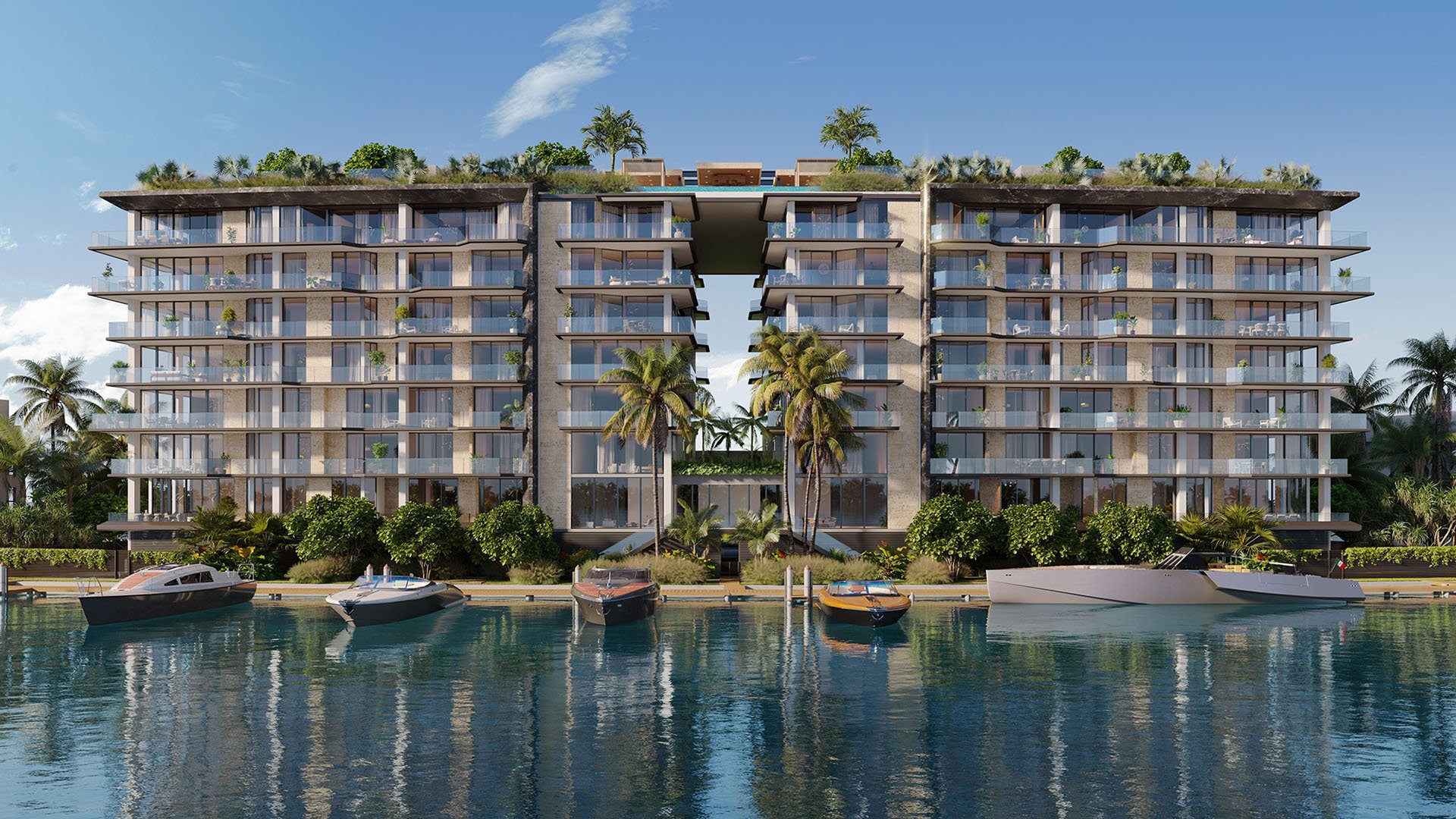
For buyers seeking a South Florida residence without the constant tempo of a resort, Bay Harbor Islands presents a compelling question: What does privacy look like in daily life? The answer is rarely found in a single amenity or dramatic rendering. It emerges in how residents arrive, move through the building, receive guests, use outdoor spaces, and encounter neighbors.
In 2026, the most discerning comparison is not about identifying one universally superior address. It is about matching a residence to a buyer’s preferred degree of discretion. Waterfront outlook, boutique scale, controlled circulation, acoustic separation, parking logistics, and management culture all determine whether a property feels composed or congested.
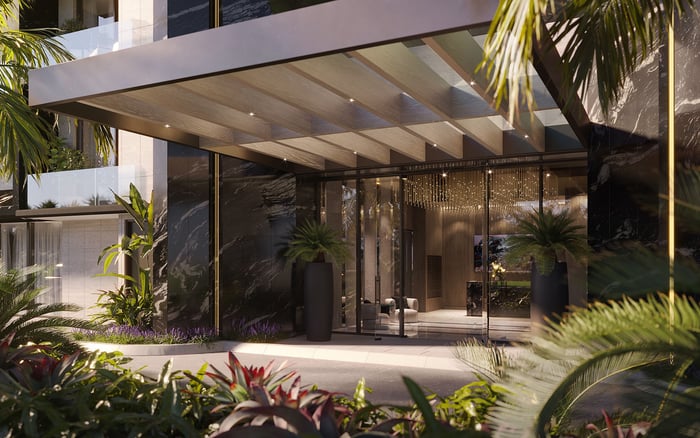
A smaller building may suggest intimacy, but scale alone is not enough. Buyers should examine the full route from vehicle arrival to front door, the number of residences sharing each elevator landing, guest-access protocols, service circulation, package handling, and the relationship between private terraces and common amenity areas.
Floor plans deserve equal scrutiny. A well-positioned balcony may feel more private than a larger terrace exposed to neighboring sightlines. Buyers should also consider bedroom placement, elevator proximity, refuse-room location, mechanical equipment, and the separation between entertaining areas and private suites.
For those searching under the Bay Harbor label, the practical objective is a residence that remains serene in ordinary life-not merely one that photographs as secluded.
The following residences form a useful, non-ranked comparison set. Each should be evaluated through current offering materials, legal documents, physical orientation, and the buyer’s own expectations for service and seclusion.
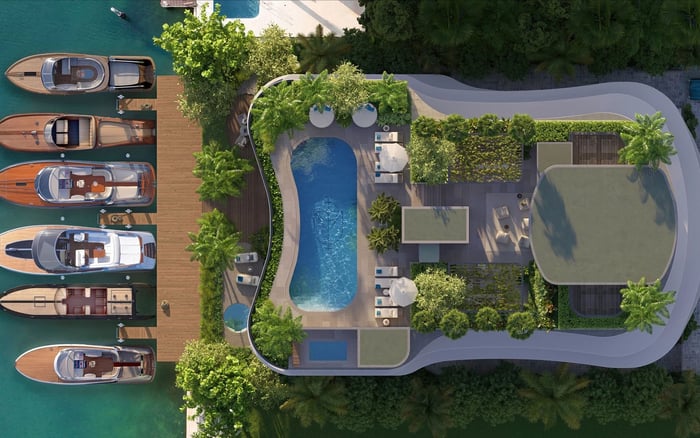
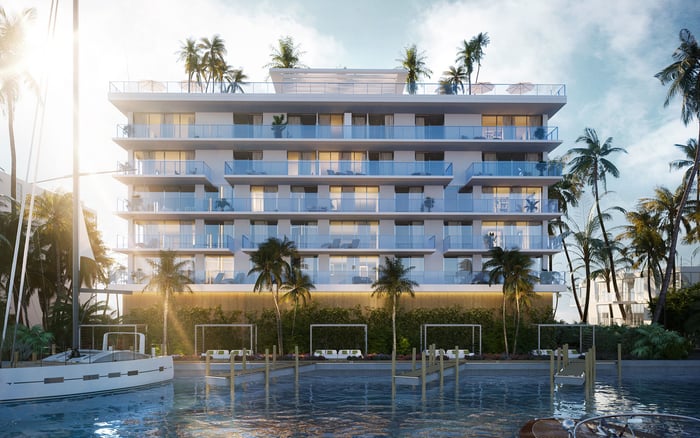
Onda Bay Harbor belongs in the conversation for buyers placing waterfront living at the center of their search. Rather than relying on the project name or marketing language, compare the exact residence’s exposure, terrace relationship, arrival sequence, and proximity to shared spaces. If boating is a priority, independently confirm every aspect of access and use.
At La Baia North Bay Harbor Islands, the decisive questions are similarly specific to the residence. Study direct sightlines, neighboring balconies, elevator circulation, service access, and the distinction between a broad water view and a protected sense of privacy. A view can be expansive even when the outdoor experience remains visually exposed.
La Maré Bay Harbor Islands offers another point of comparison for buyers who favor a residential atmosphere over a hotel-like social scene. Focus on how shared amenities are positioned relative to the homes, whether gathering areas create sound transfer, and how residents and vendors enter the property.
Buyers considering Origin Bay Harbor Islands should apply the same discipline to plans and operations. Privacy depends on the selected line, floor, orientation, adjacent uses, and building procedures. Request clarity on access systems, deliveries, guest parking, staffing, and any rules affecting terrace or marina use.
For a broader local benchmark, Bay Harbor Towers can be reviewed alongside the other candidates. The purpose is not to compare branding, but to understand differences in circulation, common-area intensity, outlook, and the lived relationship between home and water.
Waterfront should never be treated as a complete description. Confirm the direction of the view, the portion visible from primary rooms, seasonal light, neighboring structures, water activity, and any condition that could affect noise or privacy. When possible, visit at more than one time of day.
A boat slip is also distinct from a water view. Buyers should establish whether any slip is conveyed, assigned, licensed, leased, wait-listed, or otherwise restricted. Dimensions, vessel limitations, utilities, fees, insurance obligations, transfer rights, and approval procedures all belong in the legal and operational review. Nothing should be assumed from proximity to a marina.
A private building can still provide attentive service. The relevant distinction is whether amenities and staffing support residents or generate recurring traffic. Ask who may use each amenity, whether reservations are required, how guests are registered, and whether outside operators or transient occupants can enter residential areas.
Buyer’s guides can only go so far. An attorney, inspector, insurance adviser, and experienced local real-estate professional should review the documents and physical condition relevant to the specific residence. Budgets, reserves, assessments, litigation, rental rules, pet policies, construction warranties, and insurance arrangements may materially affect both discretion and ownership costs.
Begin by ranking personal priorities: a quiet arrival, minimal shared circulation, private outdoor space, boating access, an open-water outlook, or proximity to daily destinations. Then score each specific residence-not merely each building-against those priorities.
The strongest choice will be the home whose plan, position, operating rules, and ownership structure align with how its buyer actually lives. In this segment, privacy is not an abstract luxury. It is the absence of friction, exposure, and unnecessary activity throughout an ordinary week.
What defines a private luxury condo in Bay Harbor Islands? Privacy is shaped by access control, circulation, sightlines, acoustics, staffing, and the relationship between residences and shared spaces.
Does a boutique building automatically offer more privacy? No. A smaller scale may reduce traffic, but layout, guest policies, service access, and management practices remain decisive.
Is a waterfront residence always quiet? Not necessarily. Vessel activity, amenity placement, mechanical systems, nearby work, and exposure can all influence sound.
How should buyers evaluate a water view? Review the exact line and floor from primary rooms and outdoor areas, ideally at different times of day.
What should be checked before relying on a boat slip? Confirm the legal form of the right, transferability, dimensions, vessel rules, fees, utilities, insurance, and approvals.
Can a large balcony reduce privacy? Yes. Neighboring terraces, angled façades, amenity decks, and nearby buildings may create direct sightlines.
How can buyers identify resort-style congestion? Examine guest volume, amenity access, reservation systems, vendor traffic, parking flow, and any transient-use rules.
Should buyers compare buildings or individual residences? Both, but the individual home’s orientation, floor plan, adjacency, and exposure often determine the lived experience.
Which documents matter before making a decision? Review governing documents, budgets, reserves, assessments, insurance, litigation, rental rules, minutes, and relevant contracts with qualified advisers.
Is there one best Bay Harbor Islands condo for every buyer? No. The best fit depends on the buyer’s priorities for privacy, service, boating, outlook, and ownership structure.
For a tailored shortlist and next-step guidance, connect with MILLION.
If branded residences are on your mind — as a home or as an allocation — we would be glad to share what we are seeing, privately.
Begin a quiet conversation