From Coconut Grove’s direct connection to Ransom Everglades to Parkland’s lower-density setting, five residential enclaves offer distinct starting points for a school-led South Florida home search.

For a family buying in South Florida, the most consequential luxury may be a weekday that works. A residence should support school departures, afternoon activities, parents’ schedules, and time together. The right enclave is not simply the one with an appealing home. It is the one that serves the household’s educational plans without complicating daily life.
Coconut Grove, Coral Gables, Pinecrest, Weston, and Parkland offer five distinct starting points. This is an editorial shortlist, not a ranking of neighborhood school quality. Coconut Grove has the clearest local school connection; the other communities earn their places through centrality, residential space, or suburban design.
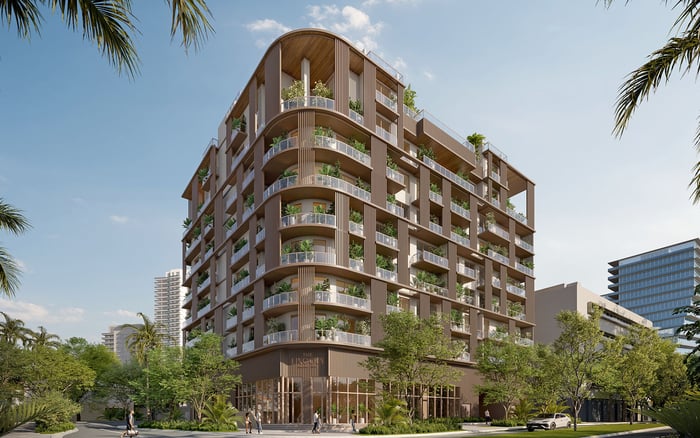
For buyers beginning in the Grove, Arbor Coconut Grove offers one residential reference point. Its relevance to a family depends on the chosen school, the actual route, and the home’s suitability-not the neighborhood name alone.
1. Coconut Grove: Miami, Miami-Dade County
Coconut Grove takes first place because Ransom Everglades is located here and serves grades 6-12. For families considering the school, that is a concrete reason to begin a residential search in the neighborhood-a more direct connection than a community’s broader family appeal.
The distinction matters most when a child’s age and educational needs align with those grades. Families with younger children need a separate elementary-school plan, while households with siblings should evaluate the full daily circuit. A local school anchor is a useful starting point, not a promise of admission or a verified short drive from every property.
2. Coral Gables: Miami-Dade County
Coral Gables suits families balancing private-school selection with access to central Miami. Its place on this list reflects that residential advantage, not a claim that its schools outperform those serving other communities. For parents comparing Miami with western Broward, centrality can be an important consideration.
Begin with the schools under serious consideration, then assess whether the household’s other destinations strengthen the case for a Coral Gables address. That case should rest on a coordinated family schedule, not an assumption that a central location makes every school convenient. Each route still warrants an in-person test at the relevant hour.
3. Pinecrest: Miami-Dade County
Pinecrest is a strong starting point for buyers who give residential space and school choice comparable weight. Its appeal lies in the combination: room for family life and a location relevant to southern Miami-Dade private-school options. Westminster Christian School is one such option for families considering Pinecrest and surrounding communities.
The property brief should be equally deliberate. Consider study areas, spaces for different age groups, and how the home supports the hours before and after school. These are buying criteria, not features to assume at every address. Confirm the school’s suitability and the daily journey before letting additional space decide the purchase.
4. Weston: Western Broward County
Weston stands apart for its planned suburban setting, with structured community design and amenities central to its family appeal. It belongs on the shortlist for households seeking a residential environment organized around suburban life rather than access to central Miami.
School geography requires particular care. American Heritage Schools’ Broward campus is in Plantation, not Weston. Families considering that campus should assess the journey independently, including transportation arrangements and afternoon commitments. Weston’s community character is a reason to explore it, not evidence of a short school commute.
5. Parkland: Northern Broward County
Parkland is the space-led choice, distinguished by larger homes, lower-density surroundings, and suburban residential character. For buyers whose requirements extend beyond bedroom count, that emphasis makes it a meaningful alternative to the more centrally oriented Miami-Dade choices on this list.
The school decision should remain separate from the setting’s appeal. American Heritage’s Broward campus should not be treated as a Parkland neighborhood school; it is in Plantation. Weigh the home’s space advantages against a tested school-day schedule rather than assuming a compelling residence will compensate for an impractical routine.
Start with grade coverage and admissions availability. Ransom Everglades’ grades 6-12 offering illustrates why a school-led purchase must account for a child’s current stage and next transition. A household with several children may need to assess more than one campus before narrowing the residential search.
Next, distinguish a school’s location from a neighborhood’s general appeal. Coconut Grove’s connection to Ransom Everglades is specific. Weston’s planned setting and Parkland’s lower density are residential attributes; neither establishes school access.
Finally, obtain current tuition, fees, transportation details, and enrollment information directly from each school. Build the household budget around confirmed figures, and keep admissions separate from the property transaction. Buying nearby should never be treated as securing a place.
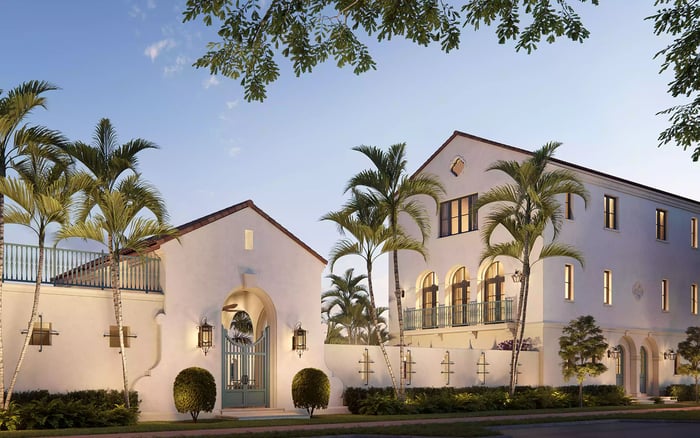
The Miami-Dade comparison is especially useful for families weighing a more central base against a home search led by space. In Coral Gables, Ponce Park Coral Gables is a residential project to investigate while testing whether the area fits the family’s wider schedule. The project name alone establishes nothing about school transportation or admissions.
For families returning to Coconut Grove after school visits, The Lincoln Coconut Grove provides another property reference for comparison. Keep the school brief consistent across viewings so that architecture does not quietly displace the original priorities.
Pinecrest belongs in the same conversation when residential space carries greater weight. Compare actual homes against the same requirements: room to study, household privacy, and a workable departure routine. A neighborhood preference becomes more useful when translated into a precise property brief.
Before committing, drive from the exact property to the intended campus during the relevant morning and afternoon periods. Account for siblings, activities, and whoever will manage transportation. Confirm any school-provided arrangements rather than assuming they are available.
The best enclave is the one that remains persuasive after those practical checks. Coconut Grove leads this shortlist through its direct school connection; Coral Gables, Pinecrest, Weston, and Parkland offer different balances of location and residential character.
For a discreet property search shaped around your family’s school priorities, explore MILLION.
If branded residences are on your mind — as a home or as an allocation — we would be glad to share what we are seeing, privately.
Begin a quiet conversationCoconut Grove leads this editorial shortlist because Ransom Everglades is located there and serves grades 6–12. The ranking is not a measure of neighborhood school quality.
Ransom Everglades serves grades 6–12. Families with younger children should establish a separate elementary-school plan.
Coral Gables offers a more central Miami location than the western Broward suburbs. Its suitability depends on the chosen schools and the household’s other destinations.
Pinecrest combines residential space with school choice. Westminster Christian School is a southern Miami-Dade option relevant to families considering the area.
Weston appeals through planned community design and suburban amenities. Those residential qualities should be evaluated separately from school location and transportation.
Parkland’s appeal centers on larger homes, lower-density surroundings, and suburban space. Families should weigh those attributes against their actual school-day travel needs.
American Heritage Schools’ Broward campus is in Plantation, not Weston or Parkland. Families considering either community should test the route independently.
A nearby property should not be treated as securing admission. Confirm admissions availability directly with the school before relying on it in a purchase decision.
Drive from the exact property to the intended campus during relevant morning and afternoon periods. Include sibling schedules, activities, and confirmed transportation arrangements.
Obtain current tuition, fees, and transportation details directly from each school. Keep admissions planning separate from the property transaction.