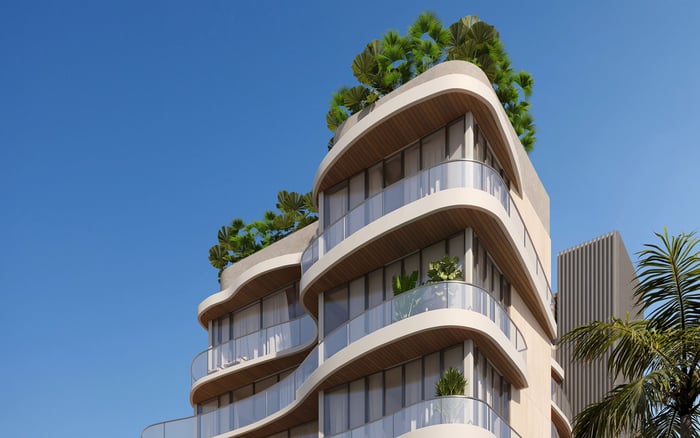
Five ranked buying profiles for Fisher Island and Key Biscayne, with a disciplined framework for verifying wind protection, post-storm access planning, and coastal maintenance before committing to an island residence.
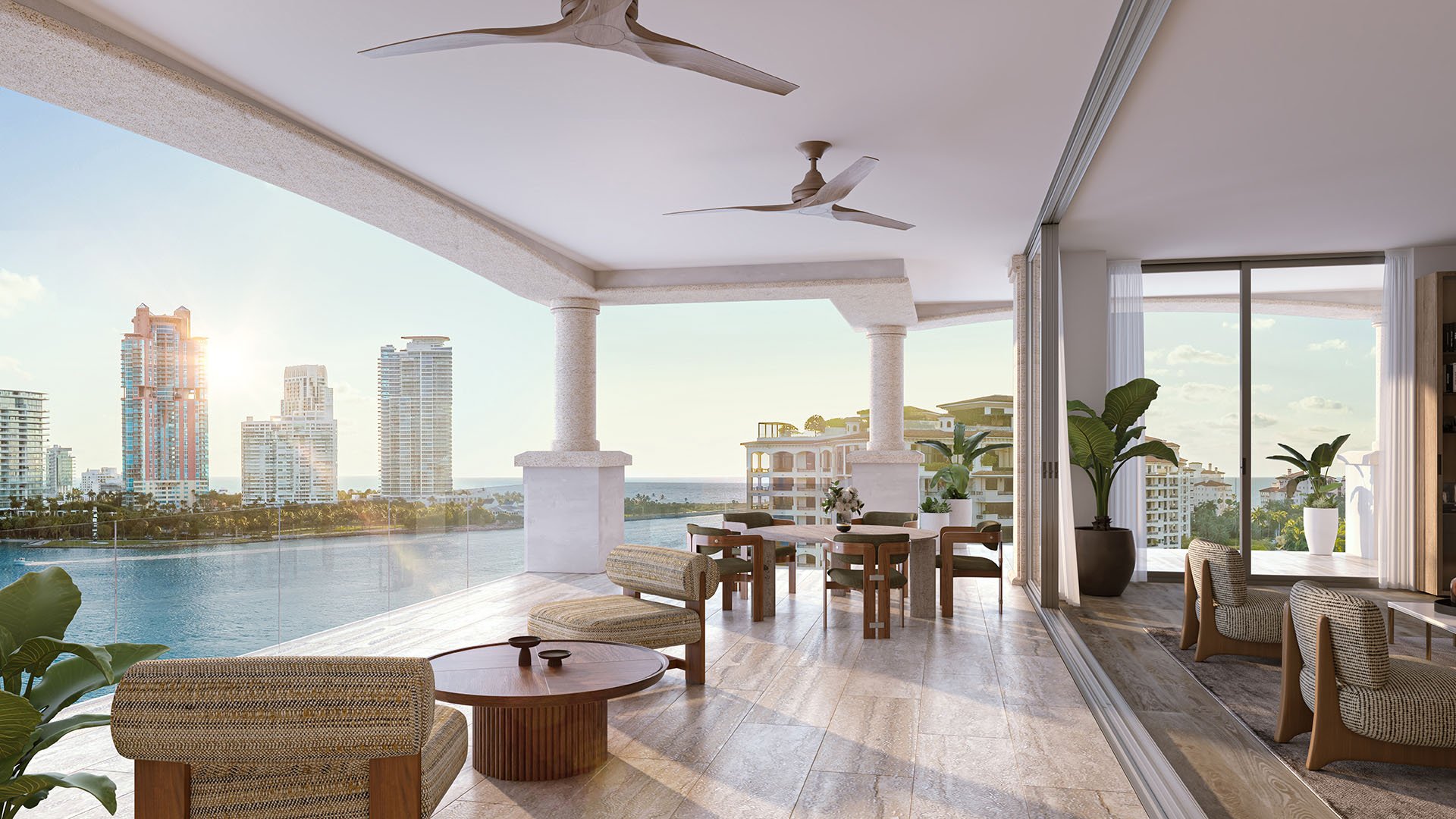
For an absentee owner, the most meaningful island luxury is confidence in what happens while the residence is empty. Finishes and views deserve attention, but a lock-and-leave purchase should begin with three less visible questions: how the building protects its openings, how management plans for post-storm access, and how the association documents coastal maintenance.
In Fisher Island and Key Biscayne, those questions should shape the shortlist before amenities settle the decision. A buyer considering The Residences at Six Fisher Island should request the same evidence of protection and operating readiness as a buyer evaluating an established condominium. Neither newness nor reputation substitutes for documentation.
The five options below are ranked buying profiles, not certifications of individual buildings. Each remains conditional on the specific residence, its association, and the records available for review.
1. New-construction condominiums: Fisher Island
Start with new-construction candidates that can supply opening-protection approvals and engineering documentation. Their appeal lies in the opportunity to evaluate specified systems before committing to absentee ownership. Request approval information for the installed windows and doors rather than accepting a broad description of hurricane-resistant construction.
New construction alone does not establish generator coverage, flood protection, or operating discipline. Evaluate each separately. A compelling purchase should satisfy both the physical-protection review and the management review; neither can stand in for the other.
2. Newer oceanfront condominiums: Key Biscayne beachfront and Crandon Boulevard area
Prioritize candidates with verified envelope specifications appropriate to exposed coastal elevations. Window design-pressure requirements can increase at exposed heights and corner zones, so a generic building-wide window rating cannot settle the question for a particular residence.
Ask a qualified reviewer to match the installed products and their approvals to the actual openings being purchased. This profile deserves early consideration when that match is clear-not simply because the condominium is newer or faces the ocean.
3. Established condominiums with documented impact retrofits: Fisher Island
An established condominium becomes a serious candidate when the association can substantiate completed window-and-door upgrades alongside reserve information, roof age, and maintenance records. Documented work is the relevant distinction; age alone does not make a property less suitable.
Check the scope of each retrofit carefully. A project described as an impact upgrade should prompt questions about which openings were included and whether the specific residence is covered. Read association minutes alongside the supporting documentation to distinguish completed work from proposals or unresolved discussions.
4. Existing condominiums with verified opening protection: Key Biscayne
Key Biscayne lies entirely within Miami-Dade County's High Velocity Hurricane Zone, or HVHZ. That location makes product verification important; it does not establish that every existing condominium has impact glass or equivalent protection at every opening.
Screen for documented approvals covering installed windows, doors, and sliding glass panels. Impact-resistant glazing and approved protective coverings are recognized opening-protection approaches. For absentee ownership, clarify what preparation the installed approach requires and who must complete it before the owner leaves or a storm approaches.
5. Older condominiums requiring unit-level resilience upgrades: Key Biscayne
Treat this profile as conditional, not immediately lock-and-leave. Review association installation requirements and the feasibility of completing the necessary upgrades before relying on the residence for absentee use. A desirable interior should not distract from unresolved opening protection.
The decision should turn on an executable scope of work, not an informal expectation that improvements will be straightforward. Review reserve studies, association minutes, roof age, and product documentation alongside the proposed unit work. Upgrading one residence does not resolve questions about the wider building.
A Miami-Dade Notice of Acceptance, or NOA, documents a product's approval. Request approval numbers for the windows, doors, and sliding glass panels actually installed. Relevant impact-window testing standards include TAS 201, TAS 202, and TAS 203, but a reference to testing cannot replace review of the applicable product documentation.
For a residence under consideration at Oceana Key Biscayne, apply the same opening-by-opening discipline without presuming any particular specification. Ask the technical reviewer to address elevation, corner exposure, and the suitability of the installed assembly.
Avoid reducing the decision to one design-pressure number. The more useful question is whether the documented specification suits the particular location and opening. That is a narrower, more defensible standard than a sales description of strong glass.
Post-storm access deserves its own diligence conversation. Ask separately about island access, building entry, elevator restoration, and the availability of essential services. Permission to return does not mean every building system will be ready for normal occupancy.
If Palazzo della Luna is on the shortlist, request written emergency procedures and clarify which decisions belong to management and which depend on outside authorities or service providers. The purpose is to understand responsibilities, not to presume a reopening timetable.
Ask what any generator serves, how runtime is documented, how owners receive status updates, and who can inspect an unoccupied residence once entry is permitted. Verify those answers against operating documents. Wind protection, flood protection, and service continuity should remain separate lines in the purchase review.
Salt-air corrosion and barrier-island wind exposure make completed maintenance more informative than age alone. Review roof age, applicable roofing approvals, and records documenting the scope and completion of coastal work. Do not assume that a fastening detail or underlayment description applies to every condominium roof assembly.
A buyer evaluating Palazzo del Sol should bring the same questions to the association review: what work was identified, what was completed, and what remains outstanding? Those questions establish a diligence standard, not a conclusion about the property's condition.
Read association minutes and reserve studies together. Ask how remaining work is reflected in financial planning and whether proposed projects have been completed. Code compliance does not demonstrate adequate reserves, completed coastal maintenance, or freedom from future special assessments.
The strongest lock-and-leave choice is the candidate whose physical protection, operating responsibilities, and maintenance history withstand careful review. Use the five profiles to organize the search, then let building-specific evidence determine the final order. An established residence with substantiated improvements deserves consideration; a newer residence still has questions to answer.
For a discreet conversation about an island residence and a document-led shortlist, connect with MILLION.
If branded residences are on your mind — as a home or as an allocation — we would be glad to share what we are seeing, privately.
Begin a quiet conversationNo. They are ranked buying profiles, with each candidate subject to review of its specific protection systems, association records, and operating procedures.
No. New construction alone does not establish generator coverage, flood protection, or operating discipline.
Request product-approval numbers and applicable approval documentation, including Miami-Dade Notices of Acceptance, for installed windows, doors, and sliding glass panels.
It does not establish the suitability of each installed product for its opening. Design-pressure requirements can increase at exposed elevations and corner zones.
No. Location within the High Velocity Hurricane Zone does not establish the installed protection in an existing building or residence.
TAS 201, TAS 202, and TAS 203 are relevant standards. Buyers should still obtain the applicable approvals for the installed products.
Yes. Impact-resistant glazing and approved protective coverings are recognized approaches, but absentee owners should clarify any preparation required and who will perform it.
Separate island access from building entry, elevator restoration, and essential services. Request written procedures and clarify responsibility without assuming a guaranteed reopening timetable.
Review association minutes, reserve studies, roof age, impact-product documentation, and records of completed maintenance. Code compliance alone does not establish adequate reserves or completed coastal work.
Keep it as a conditional candidate after reviewing association installation requirements and the feasibility of completing upgrades before absentee use. Unit improvements do not resolve building-wide maintenance questions.