A provisional collector-focused shortlist of four Palm Beach County residences, weighing described garage, wine and hospitality features. A fifth candidate and current active status remain unconfirmed.
For a collector, the most compelling residence is not necessarily the one with the longest amenity menu. It is the one that makes ownership effortless: a car accessible without unnecessary handling, wine kept under appropriate conditions, and rooms that accommodate meaningful objects without compromising daily life. In Palm Beach County, those priorities point to distinct residential choices rather than a single definition of luxury.
The five-residence scope in the title remains incomplete: the available information describes four residential candidates, not five. This shortlist is provisional; current sales availability and operating status are not established here, nor are enforceable owner-priority or operator-continuity provisions.
Branded service adds another consideration. Preferred rates, private dining and in-residence hospitality can enrich ownership, but access is not priority, and a brand name does not guarantee permanent operating arrangements. Treat current availability, occupancy and functioning services as separate purchase checks. The ranking below weighs described collector-oriented features while distinguishing architectural appeal from enforceable benefits.
1. The Ritz-Carlton Residences Palm Beach Gardens: Private-garage appeal
This Palm Beach Gardens waterfront candidate leads for its described combination of two-car garages beneath each residence, private elevator access and front-to-back layouts. For an owner who wants a small automotive collection close at hand, that arrangement matters more than a general promise of convenient parking.
Full-building-width residences and 180-degree water views give the property a strong spatial identity. The essential distinction is between the described garage configuration and its legal or technical specifications. Buyers should confirm exclusive-use rights, dimensions, access and environmental conditions rather than assume specialist vehicle preservation is included.
2. The Residences at Mandarin Oriental, Boca Raton: Wine and entertaining
Within Via Mizner in downtown Boca Raton, this candidate warrants attention for its described private dining rooms and potential wine-storage offering. Before climate-controlled wine storage becomes a deciding factor, confirm its location and availability to the particular residence.
The appeal is a home that supports considered entertaining beyond the apartment itself. Yet a private dining room does not establish an allocated cellar, and neither feature establishes booking preference. Request the storage specification and dining reservation terms separately, including capacity, access, charges and responsibility for handling bottles.
3. Mr. C Residences West Palm Beach: Defined hospitality benefits
The 27-story development at 327 Okeechobee Boulevard combines residences with 110 hotel guest suites. Its hospitality brand was founded by Ignazio and Maggio Cipriani; the developer is Lakeview Hospitality Investments. The described owner benefits are notably specific: preferred hotel and dining rates, plus access to select events across the brand’s portfolio.
Bellini Restaurant, Bellini Café and Bellini Rooftop, described as a private members’ lounge, anchor the dining program. Advertised services include in-residence dining, event catering and poolside food and beverage service. The residential garden pool is distinct from the hotel rooftop pool. These details make this a strong service-oriented candidate, but do not establish owner precedence or unrestricted access to every venue.
4. Forté on Flagler: Boutique waterfront living
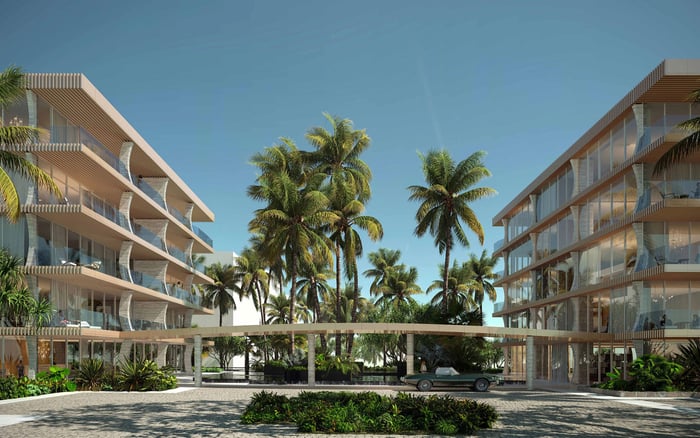
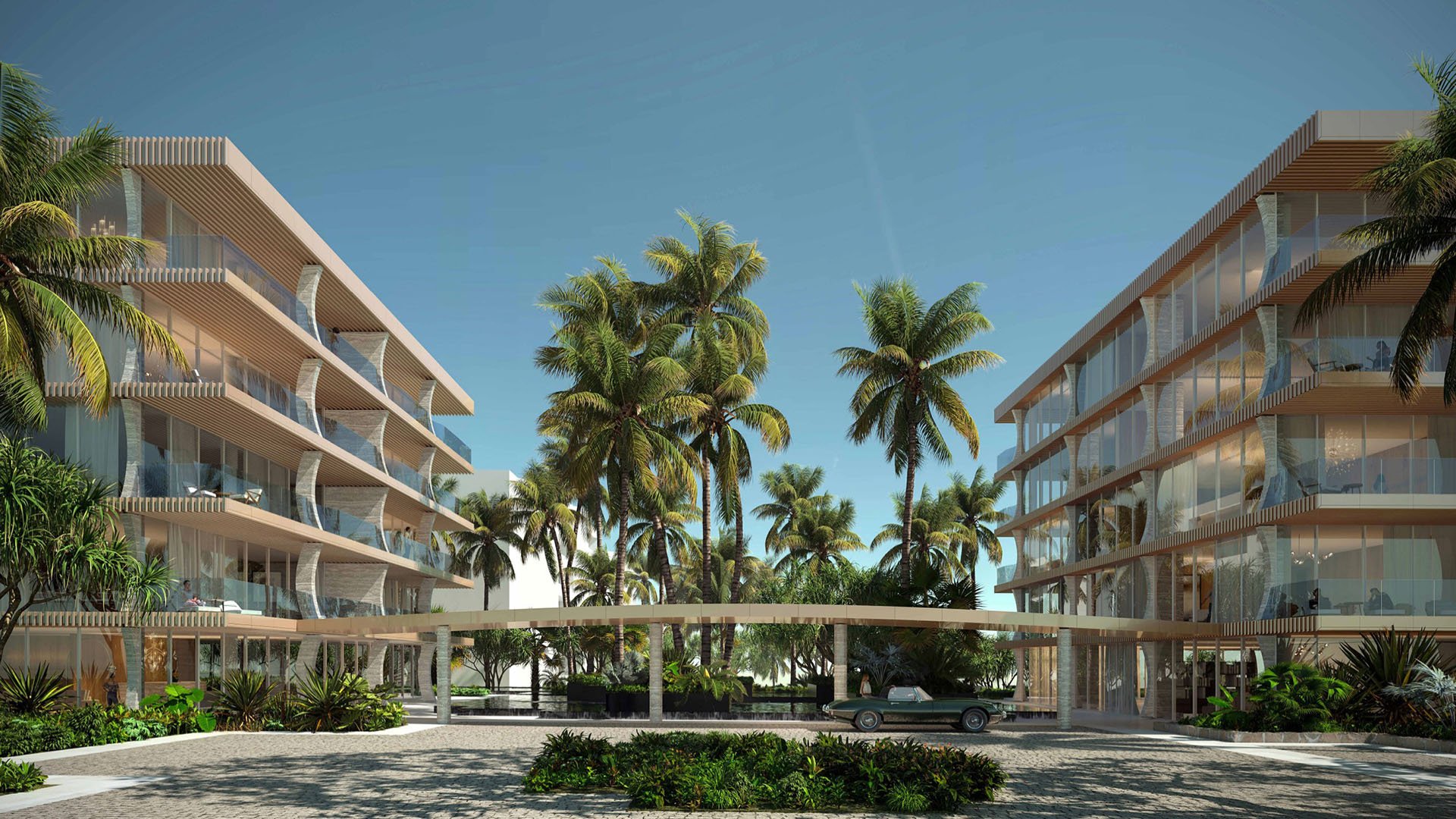
Forté on Flagler occupies the South Flagler waterfront corridor in West Palm Beach. Its described boutique character, private elevators and wine-oriented amenities make it a relevant alternative for buyers who prioritize residential scale and the experience of arrival.
The case for collectors should remain focused on those characteristics. Wine-oriented amenities do not, by themselves, establish climate-controlled, owner-assigned storage. Private elevators support circulation and privacy, not necessarily specialist art handling or hospitality-brand service. Evaluate the residence and amenity rules rather than treating these separate benefits as interchangeable.
The garage configuration described at The Ritz-Carlton Residences Palm Beach Gardens makes it the clearest starting point here for an owner prioritizing cars close to home. The next step is practical: check the intended vehicles’ dimensions against the garage and access route, and establish who may enter or move them.
Mr. C’s described above-ground garage includes security surveillance and electric-car charging ports. These are useful features, but they are not equivalent to a private garage or a dedicated collector-storage environment.
A larger collection may call for a separate facility. The Hangar Group’s project near Palm Beach International Airport is commercial condominium storage for luxury vehicles, not residential accommodation. It belongs in a storage strategy, not a residence ranking. Assess its suitability independently of the home purchase.
At The Residences at Mandarin Oriental Boca Raton, the wine-and-entertaining offering deserves a review grounded in specifications. Confirm whether any storage is individually allocated, shared or connected to food and beverage operations. Establish bottle capacity, temperature controls, access hours and procedures for receiving deliveries.
Private dining requires a separate set of questions. Determine whether owners can bring their own wine, whether corkage or service charges apply, and who controls reservations for larger gatherings. These are questions to resolve, not benefits to presume. A beautiful dining setting and a properly managed personal cellar serve different purposes; collectors should value them separately.
For service-focused buyers, Mr. C Residences West Palm Beach presents a concrete hospitality offering to examine. Preferred rates and select portfolio events are not the same as guaranteed reservations, inclusive dining or automatic membership privileges.
Request written terms covering owner-versus-hotel-guest priority, reservation windows, blackout dates, guest allowances and additional charges. Clarify access rules for each pool and Bellini venue rather than extrapolating from the overall amenity program.
Operator continuity deserves a separate review. Ask counsel to examine the applicable management and brand agreements for duration, renewal, termination, replacement rights and service obligations. The question is not merely who operates the property today, but which commitments survive a change in operator or affiliation.
The private-elevator arrangement described at Forté on Flagler West Palm Beach offers a useful starting point for evaluating privacy and arrival. For a design collector, the examination should continue from the elevator into the residence.
Review delivery clearances, usable wall lengths, daylight exposure and the route for moving substantial furniture or artwork. These are inspection criteria, not claims that specialist collection facilities are provided. Water views and flow-through layouts may shape a compelling interior, but assess them against the objects and routines the buyer intends to accommodate.
The strongest match follows the collection: garage proximity for cars, verified storage for wine, or specified hospitality privileges for entertaining. Before committing, distinguish features attached to the residence from shared amenities and discretionary benefits. Confirm that each advertised service is operating when needed and identify the document governing its use.
For a tailored assessment of Palm Beach County residences and the ownership details that matter to your collection, connect with MILLION.
If branded residences are on your mind — as a home or as an allocation — we would be glad to share what we are seeing, privately.
Begin a quiet conversationThe Ritz-Carlton Residences Palm Beach Gardens leads for its described two-car garages beneath residences and private elevator access. Buyers should still confirm garage rights, dimensions and environmental conditions.
No; a private garage or secure shared parking does not independently establish climate control, preservation standards or exclusive handling arrangements.
Its described private dining rooms and potential wine-storage offering warrant closer examination. Confirm availability, allocation and climate-control specifications before relying on storage benefits.
Described benefits include preferred hotel and dining rates and access to select events across the brand’s portfolio. Advertised services also include in-residence dining and event catering.
The described development includes 110 hotel guest suites alongside its residences, with a residential garden pool distinguished from a hotel rooftop pool.
Owner priority is not established here. Buyers should request written reservation windows, blackout dates, guest limits and venue-specific access rules.
Its described boutique waterfront character, private elevators and wine-oriented amenities make it relevant to design-and-entertaining buyers. Those features do not establish owner-assigned climate-controlled wine storage.
No; review the applicable agreements for duration, renewal, termination, replacement rights and service obligations rather than relying on brand affiliation alone.
Its project near Palm Beach International Airport is commercial condominium storage for luxury vehicles, making it a possible off-site storage adjunct rather than a fifth residence.
No; it discusses four residential candidates and does not substantiate a fifth. Confirm sales availability, completion, occupancy and operating services separately for each candidate.