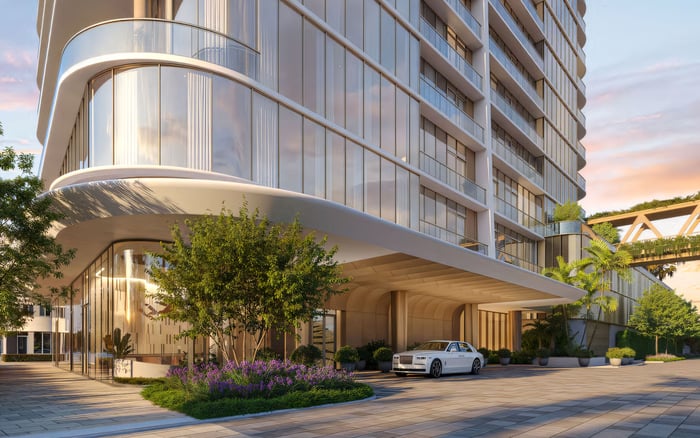
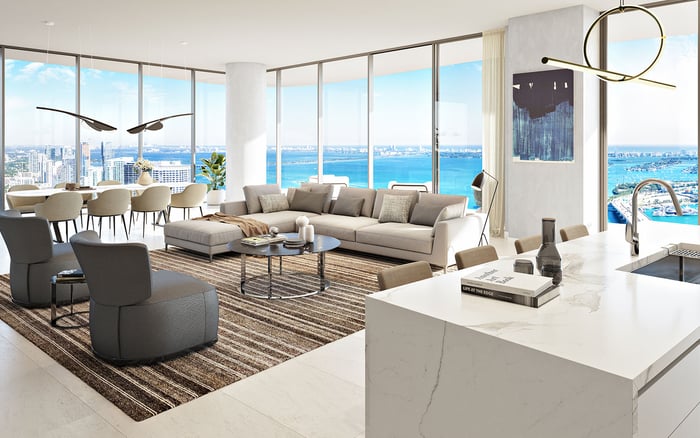
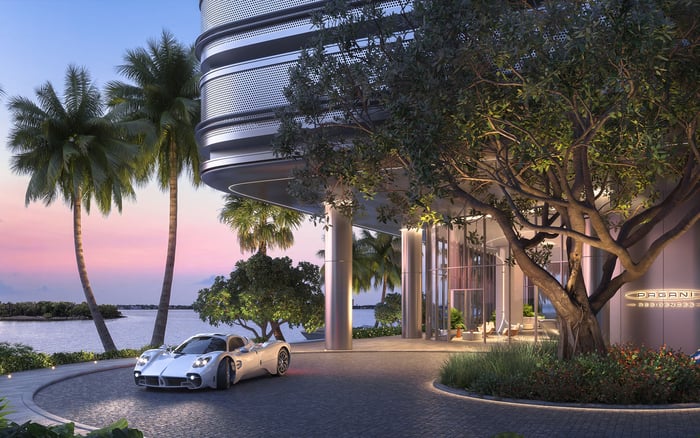
Five residential choices across the Design District, its surrounding area, and Wynwood, with a buyer-focused assessment of hospitality services and the written approvals, warranty terms, and alteration records to secure before personalizing a home.
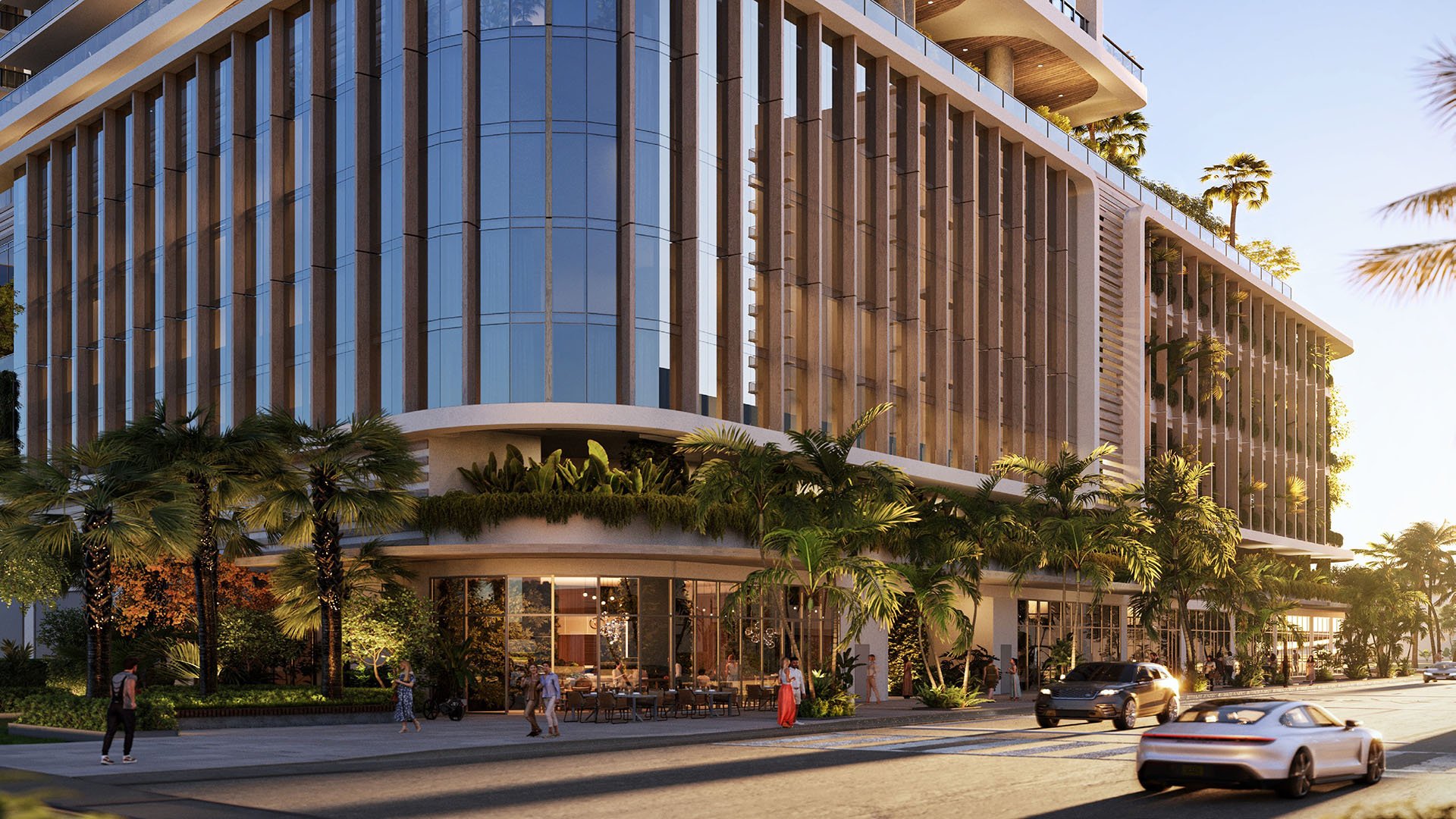
The most compelling full-service residence is not necessarily the one with the longest amenity menu. For a buyer who values discretion, it is the home where service access, alteration rights, and ownership responsibilities are clear before signing. Personalization should follow a defined approval path-not the assumption that a hospitality name makes every request possible.
Across the Design District and Wynwood, five choices merit different levels of attention. The level of detail on residential services is strongest for Kempinski and Fouquet’s. Jean-Georges emphasizes culinary and wellness experiences; The Helm and Twenty Sixth & 2nd warrant more foundational questions about residential operations.
This shortlist does not establish project-specific customization rights, warranty terms, or a future resale-document package for any of the five. Nor does it establish a selection in Downtown Miami proper. Launch pricing, construction status, and completion targets are dated reference points, not promises of current availability or delivery.
At Kempinski Residences Miami Design District, concierge services, wellness programming, and curated hospitality experiences support the residential offering. They do not, by themselves, establish how employees enter a residence, how visitor access is managed, or which services carry separate charges.
For discreet living, request the operating details behind the offering: staff-entry permissions, guest registration, delivery handling, and the separation of resident and public circulation. These are questions to resolve, not features to assume. Neither a smaller condominium count nor a prestigious operator substitutes for documented privacy arrangements.
1. Kempinski Residences Miami Design District: hospitality-led residential format
At 3801 and 3883 Biscayne Boulevard, on the Design District edge, Kempinski comprises two 20-story towers, 132 condominium residences, six townhomes, and 17 guest suites reserved for residents’ use. Boutiques, galleries, and restaurants are within walking distance.
Its first-place appeal rests on a defined hospitality offering and guest accommodation relevant to owners who entertain. Before treating those suites as an extension of the home, request booking rules, charges, and access arrangements. Separately, obtain written confirmation of permitted finish changes and the authority responsible for approving them.
2. Miami Design Residences by Fouquet’s: expressly described household services
Fouquet’s launched sales in April 2026 for 143 planned luxury condominiums, with starting prices of $1.8 million. Housekeeping and chauffeur services give substance to its full-service positioning. Planned amenities exceed 40,000 square feet and include a rooftop pool, golf simulator, and dining concepts.
The planned configuration includes a 25-story condominium building and a separate 12-story building with 85 hotel keys and 20 condo-hotel units. For a privacy-conscious buyer, the central questions are access between components, service eligibility, and costs. Request confirmation of the project's required approvals separately from permission for an individual owner’s alterations.
3. Jean-Georges Miami Tropic Residences: culinary and wellness positioning
This Design District-adjacent, 49-story project combines gastronomy, design, and wellness. Disclosed pricing ranges from $1.114 million to $5.739 million, with a 2028 completion target. The residence count remains inconsistent, at 338 or 329; buyers should reconcile that discrepancy against current offering documents.
The concept merits consideration for buyers drawn to a chef-branded residential experience. Culinary positioning alone, however, does not establish a comprehensive service contract. Before commissioning design work, confirm the household services, their charges, and whether proposed kitchen or interior changes are permitted.
4. The Helm Design District: a mixed-use pipeline option
At 4201 NE 2nd Avenue, The Helm is planned as a 36-story Live Local Act mixed-use development. Helm Equities, a JEMB Realty affiliate, is planning 162 branded condominiums and 116 apartments.
This is a pipeline candidate, not an established full-service recommendation. Detailed residential services remain unconfirmed. Buyers should request the proposed management structure, access arrangements, and allocation of shared facilities and expenses before comparing it with residences whose hospitality offerings are more clearly defined.
5. Twenty Sixth & 2nd Wynwood Residences: a lower-rise urban alternative
At 2600 NW 2nd Avenue, this eight-story, 233-unit condominium project brings a lower-rise format to the shortlist. Its construction status as of September 2026 was under construction; that dated status does not establish a delivery date.
The appeal lies in its Wynwood setting and building format, not a verified hospitality package. Eight stories should not be confused with low density or guaranteed privacy. Request the service schedule and alteration rules, including whether construction progress still allows any pre-delivery selections.
For buyers considering Miami Tropic Residences, or any other candidate, distinguish developer selections from owner-directed alterations. An offered finish palette is not permission to move plumbing, revise a kitchen, or change installed systems.
Request a written customization schedule identifying available choices, submission deadlines, pricing procedures, and responsibility for delays. Ask who can approve each category of work: developer, association, design reviewer, or applicable permitting authority. Establish which permissions are cumulative rather than interchangeable.
The approval record should describe the actual proposed work. A sales conversation cannot replace signed authorization, and building-level approvals do not automatically authorize an owner’s interior modifications. Have the relevant advisers review the requirements before placing nonrefundable orders.
Ask for the applicable warranty documents, responsible parties, claim procedures, exclusions, and transferability provisions. Distinguish coverage for original construction from coverage for appliances, installed equipment, and buyer-commissioned work.
Most importantly, ask how a proposed alteration affects coverage. Do not assume an approved modification preserves every warranty or that using a suggested contractor resolves liability. Seek written clarification of responsibility for damage, defects, and reinstatement where relevant. A hospitality brand does not establish stronger warranty protection or financing eligibility.
Create an ownership file containing approved drawings, written consents, permits where required, inspection and completion records, contractor information, invoices, and applicable warranties. Keep service agreements and fee schedules alongside the alteration history.
This is documentation discipline, not a promise of resale performance. The objective is to make the home’s history clear to a future buyer without relying on recollection. Ask which documents and warranties can transfer and which require a new application or agreement.
If the search extends to Downtown Miami, a separate review of Waldorf Astoria Residences Downtown Miami should apply the same questions; its inclusion here does not imply equivalent customization rights or services.
The strongest choice is the residence whose documented operation fits the buyer’s daily life, with personalization rights and obligations clear before commitment.
For a discreet conversation about matching residential service with ownership priorities, connect with MILLION.
If branded residences are on your mind — as a home or as an allocation — we would be glad to share what we are seeing, privately.
Begin a quiet conversationKempinski ranks first for its hospitality-led residential format, including concierge services and 17 residents-only guest suites. Its customization rights and warranty terms still require written review.
Kempinski and Fouquet’s have the clearest descriptions. Kempinski includes concierge services and wellness programming, while Fouquet’s explicitly includes housekeeping and chauffeur services.
No, the five ranked selections concentrate on the Design District, its adjacent area, and Wynwood. Downtown Miami requires a separate project assessment.
The April 2026 sales launch listed starting prices of $1.8 million for its 143 planned luxury condominiums. That launch figure does not establish current pricing or availability.
The residence count remains unresolved between 338 and 329. Buyers should reconcile the count against current offering documents.
The Helm is a planned mixed-use development with 162 branded condominiums and 116 apartments. Its detailed residential-service package remains unconfirmed.
Its eight-story, 233-unit format offers a lower-rise alternative within the shortlist. Its September 2026 construction status was under construction, but a detailed hospitality package is not established.
Request written customization rules, deadlines, costs, approval responsibilities, and applicable permit requirements. Confirm permission for the actual proposed work before placing nonrefundable orders.
No, a hospitality brand alone does not establish stronger warranty protection. Buyers should review coverage, exclusions, responsible parties, claim procedures, and transferability, including how alterations affect protection.
Keep approved plans, written consents, required permits, completion records, contractor information, invoices, and applicable warranties. Confirm which documents and protections can transfer to a future buyer.