Five Coconut Grove and Coral Gables residences merit closer consideration by cycling-focused buyers, led by a documented four-car garage at 7701 Old Cutler Road. Secure storage, charging suitability, current availability, and property-specific battery rules still require individual confirmation.
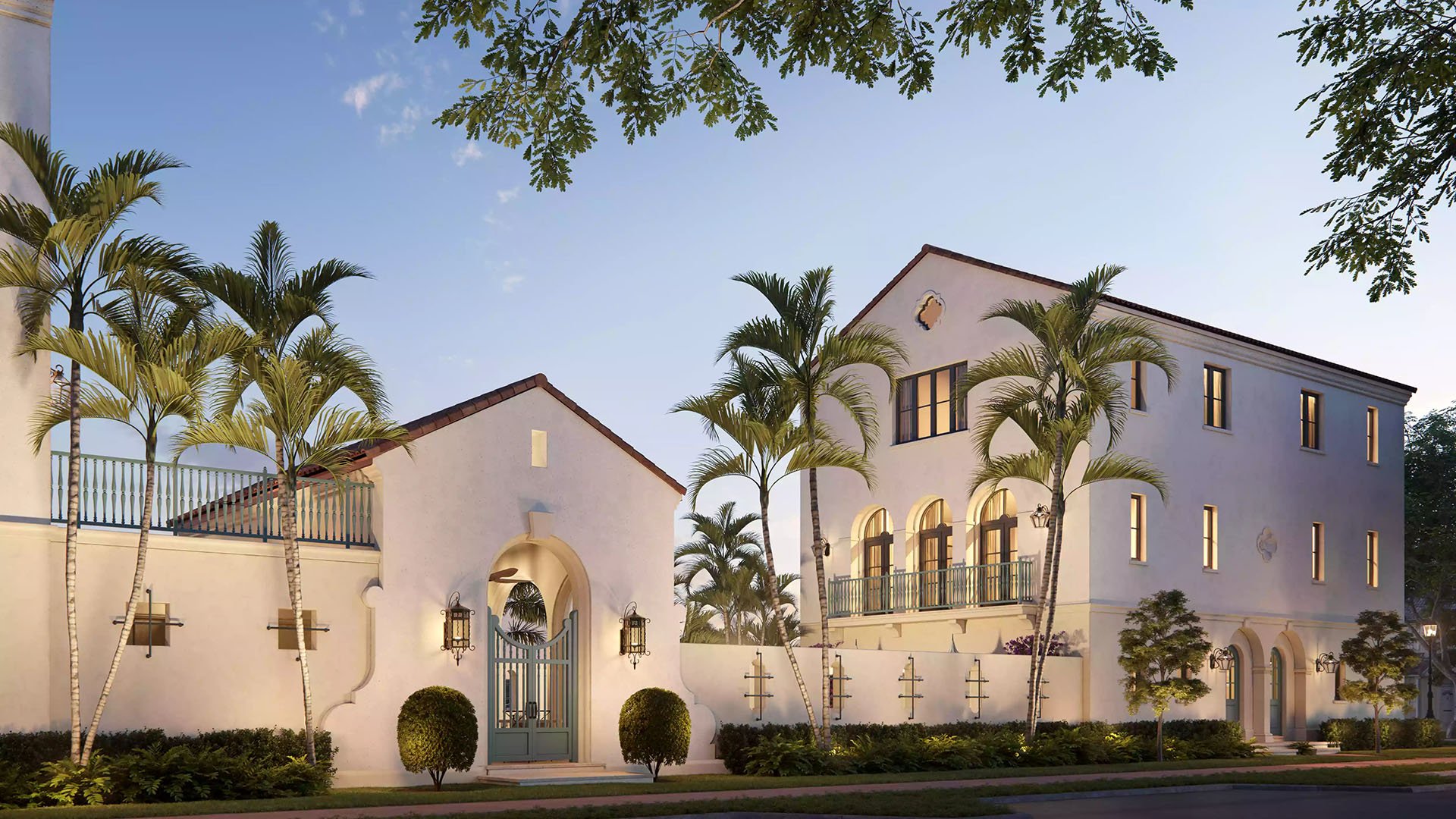
A residence should accommodate the return from a ride as gracefully as the departure: a secure place for the bicycle, room to maneuver beside parked vehicles, and a suitable location for battery charging. For buyers in Coconut Grove and Coral Gables, these practical details deserve the same attention as architecture and entertaining space.
Treat the five addresses below as a provisional buyer shortlist, not as five certified leaders in secure e-bike facilities. Active status and asking prices require confirmation before a viewing or offer. Dedicated bicycle storage, approved charging facilities, and property-specific battery rules remain unconfirmed at every address. The clearest documented distinction is the listed four-car garage at 7701 Old Cutler Road.
For buyers also considering Arbor Coconut Grove, the same distinction matters: permission to store a bicycle should never be assumed to include permission to charge its battery.
1. 7701 Old Cutler Road: Coral Gables, FL 33143
This Mediterranean residence leads with a concrete measure of storage capacity: a listed four-car garage. That makes it the strongest starting point on this shortlist for buyers seeking bicycle space alongside a vehicle collection. It does not establish dedicated bicycle storage, theft protection, or safe charging conditions.
During a showing, measure the space remaining with the intended vehicles parked. Inspect locks, camera coverage, access points, ventilation, and possible water intrusion. Have a qualified electrician assess the proposed charging location. The garage warrants priority inspection, not an automatic safety endorsement.
2. 10 Samana Drive: Coconut Grove, Miami, FL 33133
Previously presented at approximately $6.2 million, this residence has six bedrooms, seven bathrooms, and 4,675 square feet. Those figures establish the home's scale, not its garage capacity or provision for dedicated bicycle storage.
The next step is to identify the actual storage location rather than infer it from bedroom count or interior area. Ask whether bicycles can remain secured without obstructing vehicle doors or household circulation, then establish where battery charging would be permitted.
3. 3551 Crystal Court: Coconut Grove, Miami, FL 33133
Previously presented at approximately $7.25 million, this home has five bedrooms, six bathrooms, and 4,647 square feet. Enclosed parking, secure bicycle storage, and charging permission remain unverified.
For a cycling-focused buyer, the viewing should trace the full arrival sequence, from exterior access to the proposed storage position. Establish whether the arrangement would require moving vehicles, lifting bicycles, or leaving equipment near an exit. Those answers are more useful than an assumption that a premium price includes a complete storage solution.
4. 137 West Shore Drive: Coconut Grove, Miami, FL 33133
Previously presented at approximately $3.8 million, this residence has five bedrooms, six bathrooms, and 3,134 square feet. The first storage question is whether the property offers an enclosed garage rather than driveway parking alone.
If enclosed space is available, confirm its usable dimensions and security. If storage would be outdoors, assess heat exposure and direct sunlight before considering it for batteries. Neither a parking area nor a sheltered corner should be treated as an approved charging location without further assessment.
5. 4819 University Drive: Coral Gables, FL 33146
Historical listing figures place this address at approximately $3.975 million and $1,152 per square foot. These are reference points, not a statement of today's asking price. Garage capacity and bicycle-specific facilities remain unverified.
Confirm availability and current pricing first, then request a clear account of enclosed storage, access controls, and charging restrictions. Its position here does not imply inferior storage. Beyond the first home's documented garage capacity, the order does not establish a hierarchy of bicycle facilities.
A locked garage and a suitable charging location solve different problems. Evaluate access control by inspecting locks, doors, and any camera coverage. Then measure bicycle space with vehicles present, allowing for handlebars, pedals, and access to each bicycle without compromising an escape route.
Battery storage requires a separate assessment of ventilation, heat, nearby combustible materials, and potential water intrusion. An enclosed garage alone does not establish acceptable temperatures or electrical suitability. A wall outlet is necessary for the charging approach described below, but its presence does not prove that the proposed installation is appropriate.
When comparing a shortlisted house with Ponce Park Coral Gables, request written answers to the same questions. Where an association or management entity is involved, distinguish bicycle access, battery storage, and charging permission. None should be inferred from a project's name or positioning.
Follow the manufacturer's instructions for battery use, storage, and charging. Choose devices, batteries, and chargers listed and labeled by a nationally recognized testing laboratory. Use only the battery, charger, and charging cord supplied with the device, and do not use damaged charging equipment.
Store devices and batteries in well-ventilated areas away from combustible materials. Keep them out of hot cars and direct sunlight, and keep bicycles and batteries clear of exit doors and escape routes. Follow the manufacturer's charging-temperature limits rather than assuming that a comfortable ambient temperature makes a location suitable.
Plug the charger directly into a wall outlet, not an extension cord, power strip, or multi-plug adapter. Charge only one device or device battery at a time, and have a qualified electrician assess circuit suitability. Do not charge while sleeping, and avoid continued charging after the battery is full.
Inspect for punctures, dents, excessive heat, leakage, unusual odors, hissing, popping, or changes in color or shape. Call 911 if a battery overheats, leaks, changes shape or color, emits an odor, or makes unusual noises. Leave battery repairs to qualified professionals. Lithium-ion batteries must not enter household trash; use appropriate recycling or follow local disposal instructions.
Before committing, assemble a property-specific record: measured storage space, inspected security features, the proposed charging location, and an electrician's assessment. Obtain written confirmation of applicable storage and charging permissions, and clarify relevant association and insurance restrictions. General safety guidance does not establish property policy, coverage, or electrical compliance.
If The Village at Coral Gables is also under consideration, apply the same standard rather than assuming an equivalent arrangement. The most persuasive residence is the one whose storage and charging provisions suit the buyer's actual equipment and routine.
For a tailored search across Coconut Grove and Coral Gables, connect with MILLION.
If branded residences are on your mind — as a home or as an allocation — we would be glad to share what we are seeing, privately.
Begin a quiet conversation7701 Old Cutler Road has a listed four-car garage. Its usable bicycle space, security, and charging suitability still require confirmation.
No. They form a provisional buyer shortlist, and dedicated bicycle storage, approved charging facilities, and property-specific battery rules remain unconfirmed.
Current availability and asking prices require confirmation. The figures for 4819 University Drive are historical, while the other quoted prices reflect previous presentations.
No. Buyers must separately assess ventilation, heat exposure, combustible materials, security, water intrusion, and the proposed charging location.
Plug the charger directly into a wall outlet, not an extension cord, power strip, or multi-plug adapter. Have a qualified electrician assess the proposed charging location.
Follow the manufacturer's charging-temperature limits. Do not leave batteries in hot cars or direct sunlight, and assess the proposed charging location separately.
Do not charge an e-bike or its battery while sleeping. Avoid continued charging after the battery is fully charged.
Use only the battery, charger, and charging cord supplied with the device, and avoid damaged equipment. Choose devices, batteries, and chargers listed and labeled by a nationally recognized testing laboratory.
Call 911 if a battery overheats, leaks, changes shape or color, emits an odor, or makes unusual noises. Battery repairs should be performed only by a qualified professional.
Request applicable bicycle-storage and charging permissions, clarify association and insurance restrictions, and obtain an electrician's assessment of the proposed charging location. General safety guidance does not establish property-specific permission or compliance.