Before a North Bay Village closing, a buyer relocating from Singapore should coordinate the residence’s intended use, proposed ownership structure, financing, title documents, homestead questions, and estate-planning objectives with qualified advisers.

A North Bay Village acquisition involves more than selecting a property and scheduling a closing. For a buyer preparing to leave Singapore, the proposed ownership structure should be reviewed alongside intended occupancy, financing, privacy preferences, title requirements, and estate-planning objectives.
The first step is to define whether the residence is intended as a primary home, second home, rental, or investment. That decision gives Florida counsel and the buyer’s other advisers a clear basis for evaluating individual, trust, or entity ownership without allowing the vesting language to be determined by timing alone.
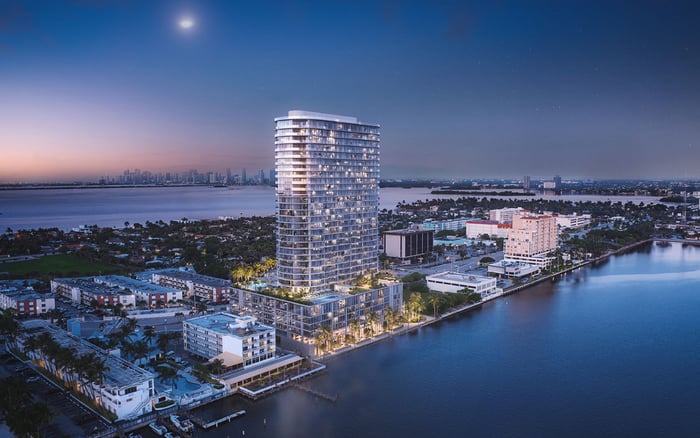
This planning should begin while comparing residences, including Continuum Club & Residences North Bay Village. The objective is to make the contract, financing file, title commitment, and closing documents reflect the same ownership plan.
Entity structure and homestead treatment should not be evaluated as separate administrative choices. A buyer should ask qualified Florida counsel to explain how each proposed form of ownership may affect the buyer’s goals and what legal, occupancy, documentation, or filing requirements may apply.
The review should compare the practical implications of taking title individually, through a trust, or through an entity. It should also address whether the buyer expects the residence to become a permanent home and whether privacy, liability, succession, or probate planning is a priority.
A purchaser considering Shoma Bay North Bay Village can use this analysis to identify the questions that must be resolved before vesting is approved. Any conclusion about eligibility, protection, taxation, or ownership rights should come from advisers who have reviewed the buyer’s circumstances and documents.
The buyer’s Florida real-estate counsel, tax adviser, estate-planning counsel, lender, and title company should work from one proposed ownership plan. Each participant may require different documents or approvals, so the team should identify conflicts before the deed and loan package are prepared.
If a trust or entity is under consideration, the buyer should obtain confirmation that the proposed name and structure are acceptable for the transaction. Counsel should review the governing documents, while the lender and title company should confirm their closing requirements.
The same discipline applies when evaluating Tula Residences North Bay Village. Early coordination reduces the risk that the contract, title commitment, loan documents, and deed identify different owners or rely on inconsistent instructions.
Before leaving Singapore, the buyer should prepare a concise memorandum describing the selected residence, intended use, proposed owner, financing status, expected occupancy, privacy preferences, and estate-planning objectives. The memorandum can serve as a common reference for the professional team.
The file should include the proposed vesting language, identity and entity documents requested by the closing participants, financing instructions, and any trust or estate-planning documents that require review. Deadlines and approval responsibilities should be assigned clearly.
Cross-border tax, residency, reporting, and currency matters should be directed to appropriately qualified advisers. Those questions can be coordinated with the Florida closing, but they should not be answered solely through the property’s ownership documents.
A final review should occur before the deed and closing package are completed. The buyer should confirm that the selected structure still matches the intended use and that counsel, the lender, and the title company are working from the same approved instructions.
When should a North Bay Village buyer select an ownership structure? The structure should be reviewed before the deed and closing package are finalized.
Why does the residence’s intended use matter? Intended use gives the buyer’s advisers a basis for evaluating ownership, occupancy, financing, and estate-planning questions.
Should individual, trust, and entity ownership all be considered? A buyer can ask Florida counsel to compare the available approaches in light of the buyer’s specific objectives and documents.
Who should advise on Florida homestead questions? Qualified Florida counsel should evaluate potential treatment based on the proposed ownership structure and the buyer’s circumstances.
Should the lender review the proposed vesting? Yes. The buyer should confirm the lender’s requirements before the loan and title documents are completed.
What should the title company receive? The title company should receive the approved ownership name, vesting instructions, and requested supporting documents.
How can privacy goals be incorporated into the planning? The buyer should explain those goals to counsel and ask how each proposed structure may address them within the transaction.
What belongs in a pre-departure closing memorandum? It should identify the residence, intended use, proposed owner, financing status, expected occupancy, and the advisers responsible for approvals.
Can Florida closing documents answer Singapore tax or residency questions? Those issues require advice from appropriately qualified cross-border advisers and should be coordinated separately.
What should happen immediately before closing documents are finalized? The buyer and professional team should confirm that the ownership plan, financing instructions, title requirements, and intended use remain aligned.
For a tailored shortlist and next-step guidance, connect with MILLION.
If branded residences are on your mind — as a home or as an allocation — we would be glad to share what we are seeing, privately.
Begin a quiet conversation