A buyer-focused framework for evaluating Wynwood residences through resale competition, line quality, view durability, carrying costs, and future exit flexibility.
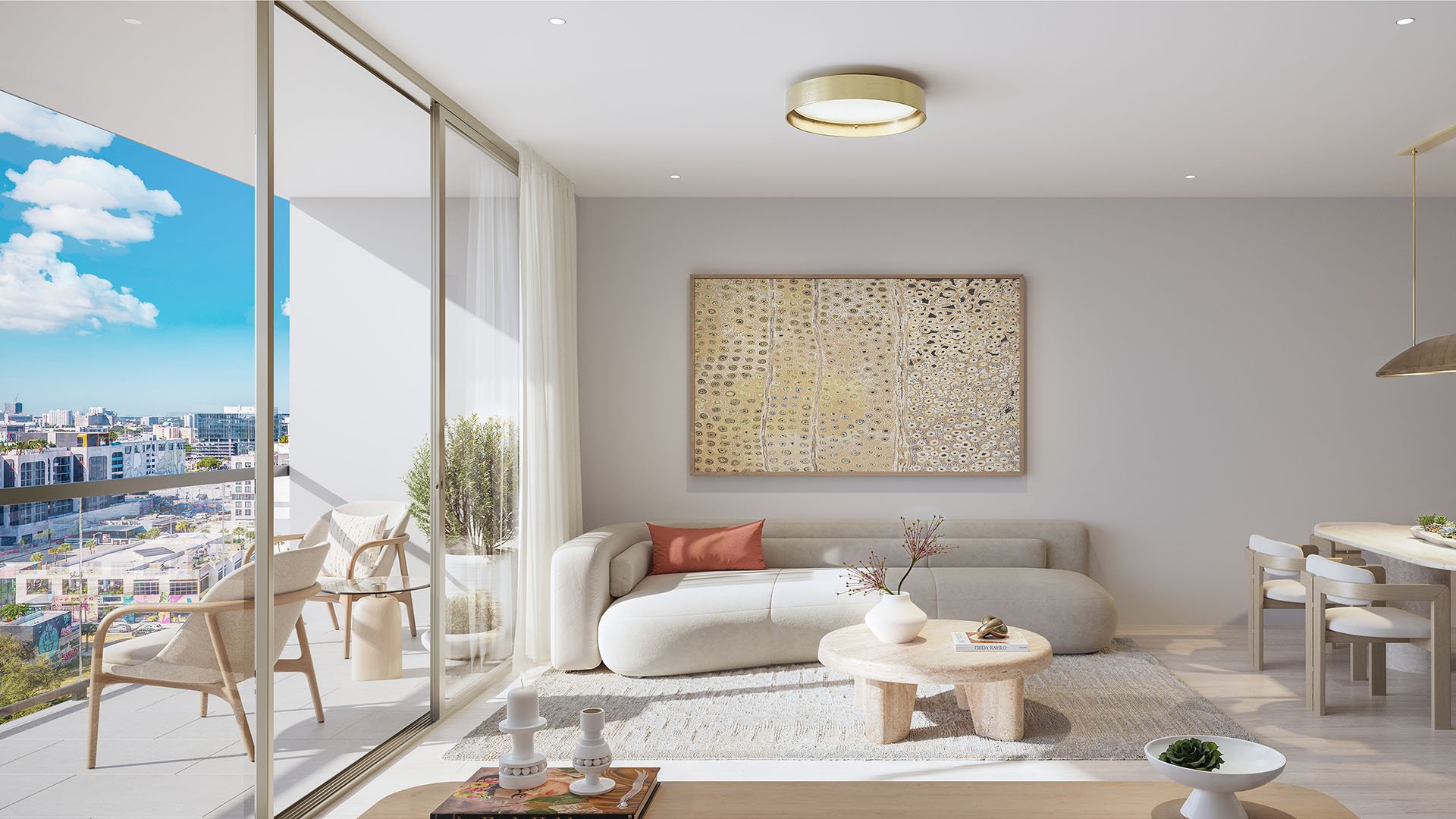
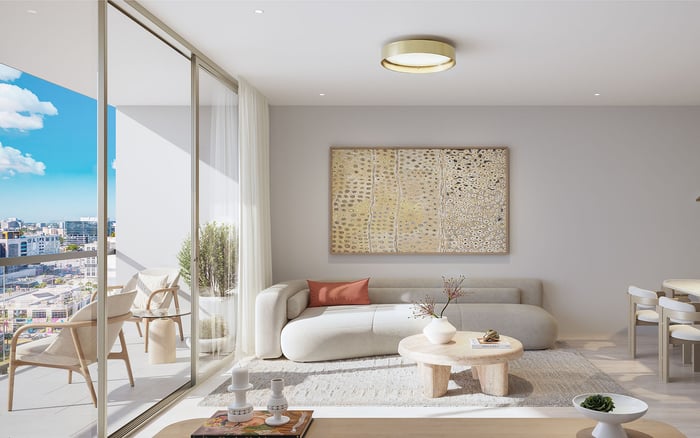
In Wynwood, a compelling residence should be assessed as both a private environment and a future market offering. Architecture, interiors, amenities, and proximity to the neighborhood's cultural energy may shape the initial decision. Yet long-term satisfaction often rests on less theatrical considerations: how many similar homes may compete with yours, whether the selected line holds enduring advantages, and how easily a valued outlook could be compromised.
This is where lifestyle and investment priorities converge. Even a buyer expecting to hold for years benefits from viewing the apartment through the eyes of a future purchaser. Resale optionality does not imply a short horizon. It simply recognizes that flexibility is part of luxury.
Resale depth reflects the number and similarity of alternatives likely to confront an owner when the time comes to sell. A building can command attention yet still present a difficult exit if several nearly interchangeable residences reach the market at once. The decisive question is not simply whether buyers favor the address, but whether they can readily substitute another unit for yours.
Begin at the line level. Compare the same bedroom count, exposure, floor band, outdoor space, parking arrangement, and condition. Then widen the lens to competing buildings and new inventory. A residence with a distinctive plan or protected sense of openness may warrant a different evaluation from a standardized unit, even within the same condominium.
Resale analysis also requires attention to seller behavior. Multiple owners pursuing similar outcomes can create price competition, while one unusually motivated listing may shape expectations. Pricing and trends should therefore be interpreted through comparable utility rather than a simple price-per-square-foot hierarchy.
A line is the repeatable vertical position of a residence within a building, and its significance extends well beyond the floor plan label. Orientation, window placement, elevator proximity, service areas, neighboring terraces, noise exposure, and sightlines can all influence daily use and future desirability.
Walk through the plan mentally at different hours. Consider where morning and afternoon light may enter, whether the primary rooms receive the preferred exposure, and how furniture will relate to the glazing. Assess whether a balcony feels private or visually connected to adjacent residences. Note structural columns, long corridors, constrained bedrooms, or kitchens that interrupt circulation.
Higher is not inherently better. Elevation can enhance openness, while a lower residence may offer a more engaging urban perspective or a stronger connection to the streetscape. Any premium should attach to a specific benefit, not to floor number alone. Buyers considering Frida Kahlo Wynwood Residences can apply this same line-by-line discipline rather than treating the project name as a substitute for unit analysis.
A view carries durable value when visual quality meets limited replicability. Scarcity may derive from orientation, elevation, setback, a broad angle, or an unusual degree of privacy. The strongest outlook is not necessarily the most dramatic today. It is the one least easily matched or interrupted.
Evaluate the entire view cone from seated and standing positions, not only the central, photograph-worthy angle. Side exposures can shape privacy and openness, while nearby rooftops, mechanical equipment, blank walls, and future construction potential may alter the experience. A framed skyline glimpse and a broad panorama should not command the same premium.
View underwriting should remain conservative when permanence is uncertain. Distinguish what is physically controlled by the property from what depends on neighboring parcels. This does not predict future development; it prevents a temporary condition from being priced as a guaranteed attribute.
Wynwood should be studied on its own terms, but never in isolation. A disciplined buyer can compare the selected residence with alternatives competing for similar budgets, design preferences, or access priorities. The objective is not to declare one neighborhood superior, but to identify what the Wynwood purchase delivers that another location does not.
For example, Miami Tropic Residences can sit within a broader Miami comparison, while Kempinski Residences Miami Design District offers another reference point for buyers assessing the wider urban luxury landscape. Those prioritizing a different residential context may also consider EDITION Edgewater.
Keep the comparison consistent. Match usable interior area, outdoor space, parking, expected carrying costs, finish level, view quality, and purchase timing. A lower acquisition price can surrender its advantage if the residence offers weaker utility or faces greater future competition. Conversely, a premium may be rational when it secures an attribute that remains difficult to reproduce.
Before making an offer, construct three future-sale scenarios: favorable, neutral, and constrained. In each, imagine the residence listed alongside similar homes. Ask which features would compel a buyer to choose it, what objections might emerge, and whether a price adjustment would be the only available response.
Review total ownership costs as part of the exercise. Association obligations, insurance, taxes, maintenance, financing, and potential improvements all shape the basis against which a later sale is measured. The purchase price is only the opening figure in the ownership equation.
Finally, separate emotional value from transferable value. A highly personal finish may provide genuine pleasure, but another buyer may not pay equally for it. Orientation, plan efficiency, privacy, natural light, and scarce outlooks are often easier to communicate because they are embedded in the residence itself.
Before contract, compare the selected line with every genuinely similar alternative available for review. When possible, revisit the residence at more than one time of day, inspect sightlines from the principal rooms, and determine which view elements are intrinsic and which depend on surrounding conditions.
Also examine governing documents, budgets, reserves, use restrictions, leasing provisions, and planned obligations with qualified legal and financial advisers. The objective is not to eliminate every uncertainty. It is to ensure that the price reflects the residence's particular strengths, limitations, and likely competitive set.
What does resale depth mean for a Wynwood buyer? It is the volume and similarity of competing homes that could influence pricing power and time to sell.
Why can line selection matter more than floor level? A line determines orientation, layout, privacy, adjacency, and sightlines, while elevation alone does not guarantee superior utility.
How should buyers evaluate a view premium? Separate present beauty from scarcity and durability, then avoid pricing uncertain openness as permanent.
Is the highest floor always the strongest choice? No. The preferred residence is the one whose elevation delivers a meaningful benefit in light, privacy, openness, or quiet.
What makes two units true resale comparables? They should align closely in size, plan, exposure, floor band, outdoor space, condition, parking, and carrying costs.
Should future development potential affect an offer? It should inform a conservative view assessment without becoming a prediction of what will be built or when.
How important is outdoor space? Its value depends on usable depth, privacy, exposure, noise, and connection to the principal living areas.
Can distinctive interiors improve resale value? They may, but fixed advantages such as layout, light, orientation, and privacy can be more transferable between owners.
Why compare Wynwood with other Miami neighborhoods? Cross-market comparisons clarify which qualities are unique, replaceable, or already reflected in the asking price.
Which professional reviews are prudent before purchase? Buyers should seek appropriate legal, financial, insurance, inspection, and property-specific guidance before committing.
For a tailored shortlist and next-step guidance, connect with MILLION.
If branded residences are on your mind — as a home or as an allocation — we would be glad to share what we are seeing, privately.
Begin a quiet conversation