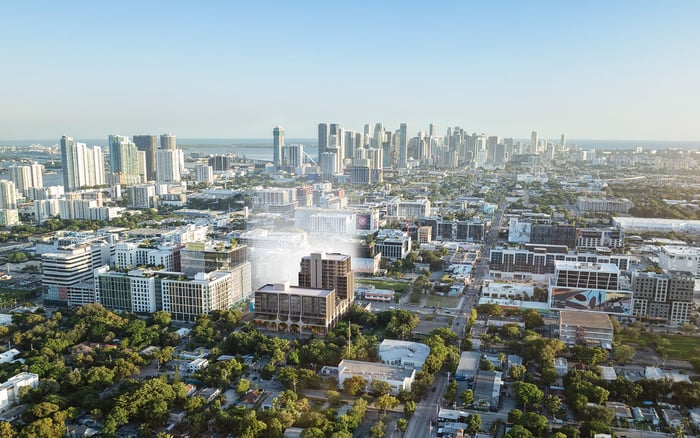
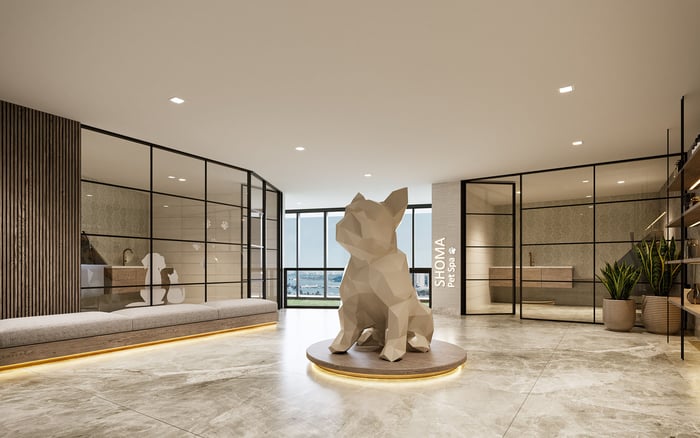
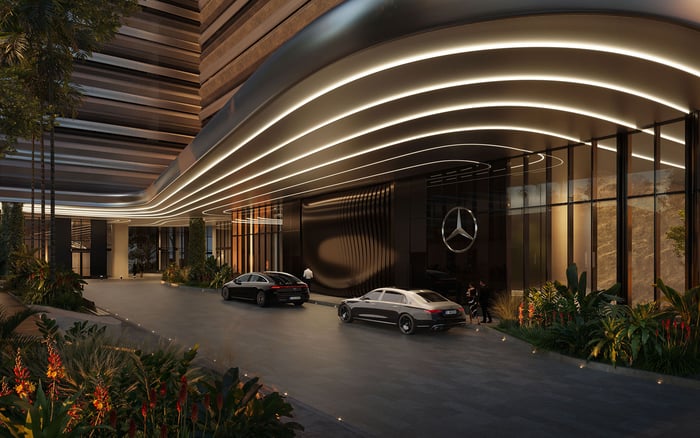
A collector-focused framework for assessing environmental stability, lighting, art logistics, hurricane readiness, documentation, and resale-conscious residential upgrades near Miami Design District.
For a collector buying near Miami Design District, the phrase “climate controlled” should prompt further due diligence. Request environmental records instead of relying on a thermostat reading during a tour. Ask where sensors are placed, how conditions are recorded, what triggers an alert, who receives notifications, and how the responsible team responds.
Review the residence, any private storage room, and the shared spaces used during delivery. Ask qualified conservation, insurance, and building professionals to define appropriate conditions for the specific collection rather than applying a universal target.
For a consistent comparison, buyers may include Kempinski Residences Miami Design District and Miami Tropic Residences in their residential review.
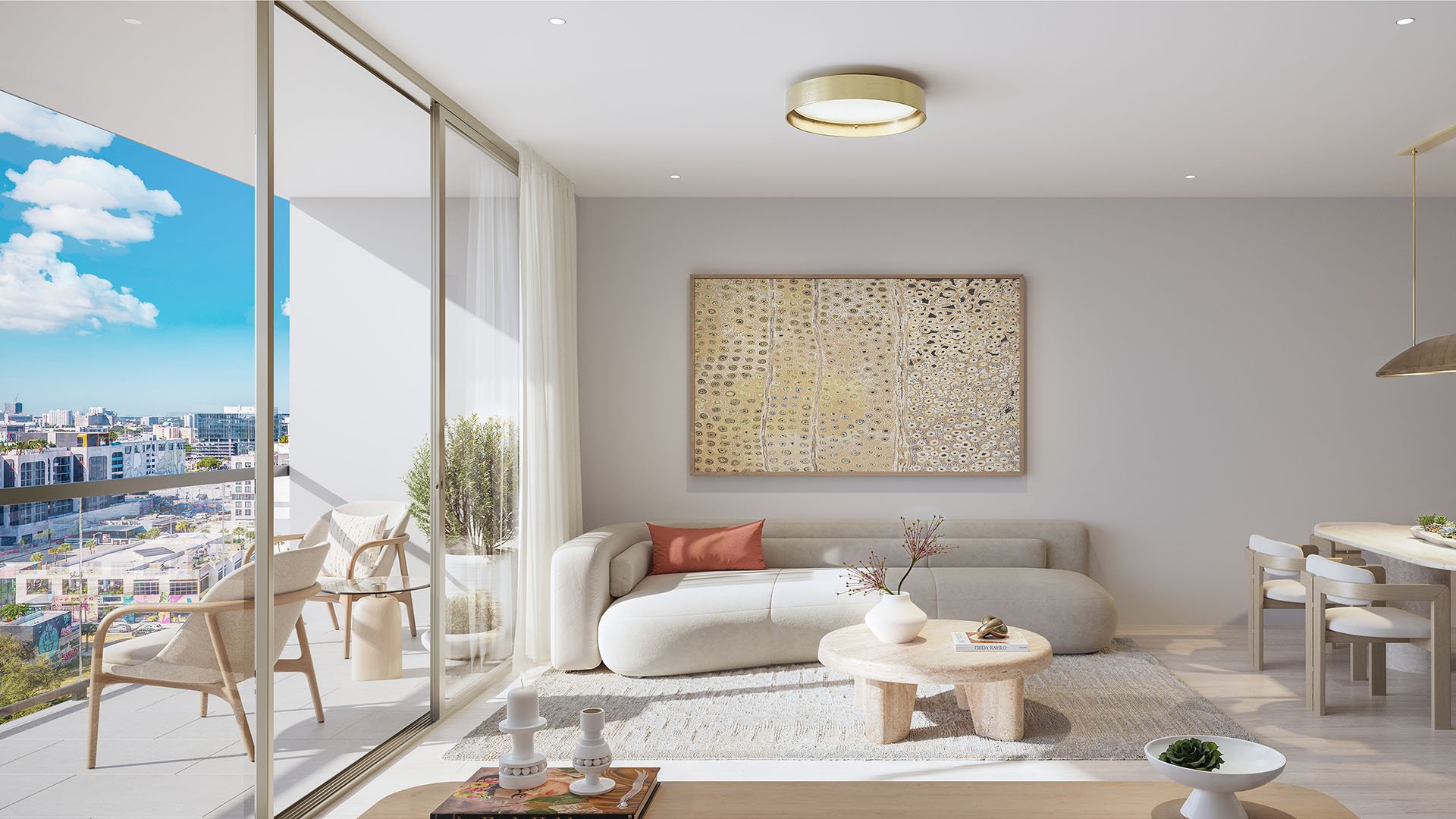
Evaluate whether lighting can be adjusted for different rooms and works. During a property visit, review fixture placement, controls, daylight exposure, window treatments, and the practicality of changing the layout without extensive construction.
Map proposed display walls against windows and changing daylight. Consider whether the lighting system can be maintained without relying on difficult-to-replace components. Neutral finishes and removable hanging solutions can provide flexibility while limiting alterations that may be too specific for a future owner.
The same review can be applied at Frida Kahlo Wynwood Residences. The central question is whether each room can accommodate changing works without sacrificing everyday residential use.
Inspect the route from vehicle arrival to the intended display or storage location. Record loading procedures, elevator dimensions, corridor turns, door clearances, ceiling constraints, and service-entry rules. Compare those measurements with the crated dimensions of current and anticipated works.
Ask who authorizes handlers, coordinates elevator access, documents arrivals, and manages custody during a delivery. Request applicable building rules before committing to a residence. A generous interior does not resolve a route that cannot accommodate a particular crate.
Buyers comparing additional Miami-Dade options, including Aria Reserve Miami, can use the same route-first assessment.
Ask the building team to explain what occurs during a power interruption, mechanical issue, or hurricane preparation period. Identify whether environmental controls, monitoring, alarms, and access systems have backup support, and request written details about duration, responsibilities, and escalation procedures.
Review potential water entry points around the proposed display or storage area. Ask how authorized access, temporary relocation, owner communication, and vendor entry would be handled during an emergency. Confirm collection-specific obligations directly with the owner’s insurer, conservator, and other relevant advisers.
An in-residence art room offers convenience, but it should be evaluated on documented performance rather than its label. Review monitoring, maintenance access, security procedures, delivery logistics, emergency protocols, and the room’s potential for another use.
When considering off-site storage in Miami-Dade, compare verified environmental records, handling procedures, access arrangements, documentation, transit requirements, and storm planning. The preferred choice will depend on the collection, the residence, and guidance from the owner’s professional advisers.
Favor improvements that are understandable, maintainable, and adaptable. Before installing dedicated equipment or display infrastructure, consider whether components can be serviced, whether alterations are reversible, and whether the room retains a credible residential function.
Preserve specifications, maintenance records, environmental reports, warranties, lighting plans, and photographs of concealed work. These materials can help a future buyer evaluate the installation without requiring unsupported claims about a resale premium.
Avoid assuming that an elaborate art program will increase value. Instead, frame the objective as reducing uncertainty while protecting flexibility for a later owner.
At the contract stage, request available environmental records, sensor information, equipment documentation, backup-power details, emergency procedures, and building rules. Recheck the delivery route against actual crate dimensions and assess lighting under different conditions.
Engage appropriate insurance, conservation, art-handling, legal, and building professionals for matters within their expertise. The final decision should reflect the needs of the collection, the operating demands of the residence, and the buyer’s resale horizon.
What should a buyer request when reviewing climate control? Ask for available environmental records, sensor locations, alert procedures, equipment documentation, and maintenance information.
Is one thermostat reading enough to evaluate an art room? No. A buyer should seek records and professional guidance that address conditions over time and the needs of the specific collection.
Who should define suitable environmental conditions? A qualified conservator and the owner’s insurer should advise on requirements for the materials and works involved.
How should lighting be assessed? Review controls, fixture placement, daylight exposure, window treatments, maintenance needs, and the ability to revise the display without major construction.
Why should the delivery route be measured? Measurements allow the buyer and art handler to compare elevators, doors, corridors, and turns with the dimensions of crated works.
What building procedures should be reviewed before an art delivery? Confirm service-entry rules, elevator scheduling, handler access, security coordination, and any required documentation.
What should buyers ask about outage planning? Request written details about backup support, responsible personnel, escalation procedures, communication, and authorized access.
How should in-home and off-site storage be compared? Compare documented environmental performance, handling, security, access, transit, maintenance, and emergency planning.
Which art-focused improvements are most compatible with resale? Prioritize serviceable systems, adaptable lighting, removable display elements, neutral finishes, and rooms that retain another practical use.
Can an art installation be assumed to add resale value? No. Evaluate market response separately and retain clear records so a future buyer can understand the installation.
To compare the best-fit options with clarity, connect with MILLION.
If branded residences are on your mind — as a home or as an allocation — we would be glad to share what we are seeing, privately.
Begin a quiet conversation