Private elevators and app-based entry can feel effortless, but their rules deserve the same scrutiny as a residence’s physical specifications. Buyers should verify permissions, visitor workflows, data practices, administrator authority, and reliable alternatives before closing.
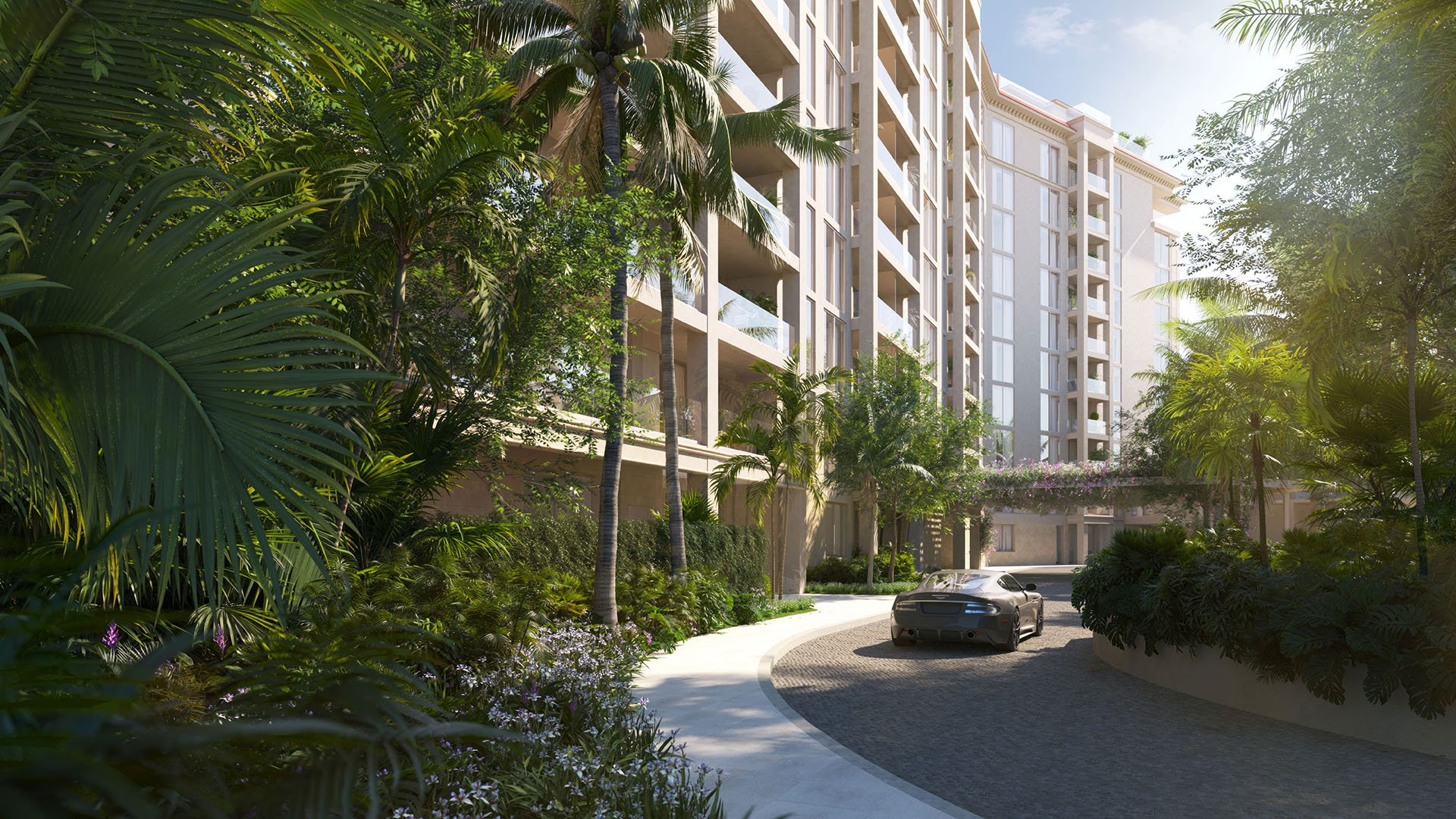
In South Florida’s luxury market, arrival can shape the residential experience. A private elevator, discreet lobby, and phone-based entry may create a polished transition from arrival to residence, but buyers should also examine the permissions, procedures, and technology behind that experience.
Access infrastructure deserves the same careful review as floor plans, views, and association documents. The essential questions are practical: Who can reach the residence, under what circumstances, with which credential, and what alternatives are available when the primary system is unavailable?
Do not assume that the phrase “private elevator” describes the same arrangement in every building. Request a live demonstration from the garage or lobby to the residence, and confirm whether the elevator opens into the home, a vestibule, or another controlled area.
Ask which credentials the property uses and whether permissions vary by person, floor, area, or schedule. Identify who can create, change, revoke, or override access, and request written clarification about whether administrative actions are recorded and reviewable.
This diligence should follow the buyer across South Florida submarkets. Whether touring The Residences at 1428 Brickell in Brickell or The Perigon Miami Beach in Miami Beach, review the property’s actual access procedures rather than relying on assumptions about a marketed feature.
Evaluate visitor registration as a complete sequence. Ask how an owner authorizes a guest, whether identification is requested, how long approval remains active, and which areas the guest may enter. Discuss overnight guests, household staff, drivers, contractors, deliveries, management personnel, and emergency access separately.
Test the resident side of the process as well. Find out whether a guest can be admitted while the owner is away, who may intervene at the front desk, and how recurring access can be scheduled or withdrawn. The goal is to understand whether the process supports both discretion and routine hospitality.
For buyers comparing Bentley Residences Sunny Isles with other Sunny Isles Beach options, or considering The Residences at Six Fisher Island on Fisher Island, these operational questions can clarify how the arrival experience may work in daily life.
If a building app manages entry or visitor registration, ask to observe its core functions. Review how accounts are created, how household members receive separate credentials, and what happens when a phone is lost, replaced, unavailable, or compromised.
Confirm the support process and available hours. Ask whether another practical entry method is available and how residents, guests, and authorized staff proceed when the app, network, account, or device cannot be used.
Request written procedures for service interruptions. The response should explain how the property handles relevant power, connectivity, server, device, or application issues and who residents contact for assistance.
If biometric access is offered, request written answers before enrollment. Ask whether participation is optional and whether residents who decline can use another practical access method.
Determine what the system collects and how the property describes that information. Request details about where the data is stored, who can access it, how long it is retained, when it is deleted, and what happens after a residence is sold or a staff member’s authorization ends.
Also ask whether a technology provider receives or manages the information, how account privileges are controlled, and what procedure applies when a resident questions a match or record. Legal counsel can review the property’s documents and advise on the buyer’s circumstances without relying on general assumptions about privacy requirements.
Request the association’s access policies, relevant governing documents, app privacy notice, available vendor terms, retention and deletion information, biometric consent materials, and emergency procedures. Keep written responses concerning credentials, visitor registration, permissions, administrative overrides, support, and service interruptions with the broader closing records.
The objective is not to reject access technology. It is to understand whether convenience, privacy, security, and continuity align with the buyer’s expectations before closing.
Does a private elevator guarantee exclusive access to my floor? Do not assume that it does. Ask the property to demonstrate the route and document the applicable permissions.
Which elevator credentials should I ask about? Ask the property to identify every credential it supports and explain which option applies to residents, guests, staff, and vendors.
Should biometric enrollment be optional? Request a written answer and confirm what practical access method is available if you decline enrollment.
How should recurring guests or household staff be handled? Ask whether access can be individualized, scheduled, reviewed, and promptly revoked by an authorized person.
What happens if I lose my phone? Confirm how the mobile credential is disabled and restored, and determine which alternative entry method remains available.
Who can override elevator permissions? Obtain a list of authorized roles and ask whether override actions are limited, recorded, and reviewable.
How long are access records retained? Request the property’s written retention and deletion practices rather than assuming a standard period applies.
What should I ask about biometric storage? Ask what is collected, where it is stored, who can access it, whether a provider is involved, and when deletion occurs.
What happens during a service interruption? Review the written procedures for relevant power, connectivity, server, device, and application issues, including available alternatives.
Which documents should I review before closing? Review access policies, governing documents, privacy materials, consent forms, retention information, vendor terms when available, and emergency procedures with counsel.
To compare the best-fit options with clarity, connect with MILLION.
If branded residences are on your mind — as a home or as an allocation — we would be glad to share what we are seeing, privately.
Begin a quiet conversation
.jpg&width=700&height=438&fit=cover)