A generator does not guarantee uninterrupted condominium living. Understand which systems may remain operational, where residential coverage can stop, and what documentation to request before buying.
In a South Florida luxury condominium, continuity of service deserves the same scrutiny as the floor plan. A functioning lobby, an available elevator, and a comfortable residence are separate outcomes during a utility outage. A generator alone does not guarantee all three.
Emergency power serves designated electrical loads. Its reach depends on the building’s electrical design, transfer-switch arrangements, generator capacity, and operating policies. Even “whole-building generator” needs clarification: the phrase may describe common-area and life-safety coverage rather than every residence and amenity.
For buyers considering The Residences at 1428 Brickell, the question is not simply whether backup power exists. It is which systems the documented design supports and which services management intends to operate. That distinction applies throughout Brickell and across South Florida; no named property’s outage capabilities are established here.
Fire and life-safety equipment, including fire panels and fire pumps, are core backup loads. Their inclusion does not mean residential outlets, appliances, or air conditioning will receive power. A building can maintain essential protective functions while apartments remain without electricity.
Emergency lighting, security and access controls, and selected lobby or garage systems may also remain operational-but only when connected to emergency power. Ask management to identify each covered system rather than accept a broad assurance that common areas are supported.
Automatic transfer switches connect designated loads to standby power after utility failure. Protected equipment may restart in stages rather than simultaneously. Clarify the expected sequence; backup coverage should not be mistaken for uninterrupted operation.
The distinction is straightforward: electrical coverage defines what can receive power; the emergency operating policy defines what management will make available.
Elevator backup deserves explicit confirmation. Neither prestige nor height establishes a building’s current elevator provisions.
Request written confirmation of which elevators are connected to backup power and how they may be used during an emergency. An electrically supported elevator is not a guarantee of unrestricted passenger service. Management’s operating policy matters alongside the equipment itself.
Water requires a separate inquiry. Upper-floor pressure can depend on domestic-water or booster pumps, and generator-backed pumps can maintain that pressure. Fire-pump coverage alone does not confirm domestic-water service.
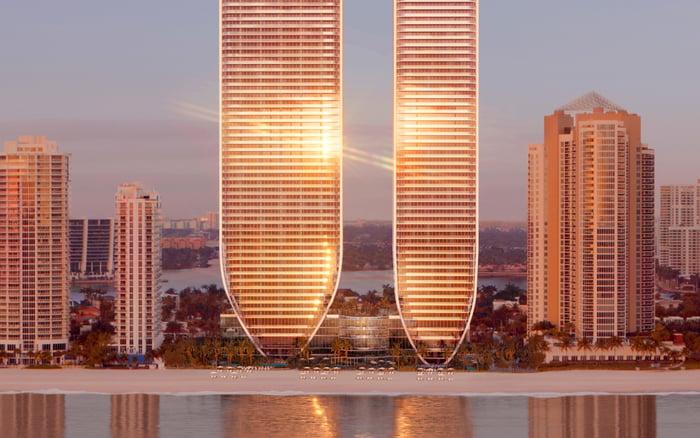
When evaluating The Perigon Miami Beach or another Miami Beach residence, treat elevator access and water-pump coverage as distinct diligence items. Neither should be inferred from the other, and neither establishes that the apartment itself remains powered.
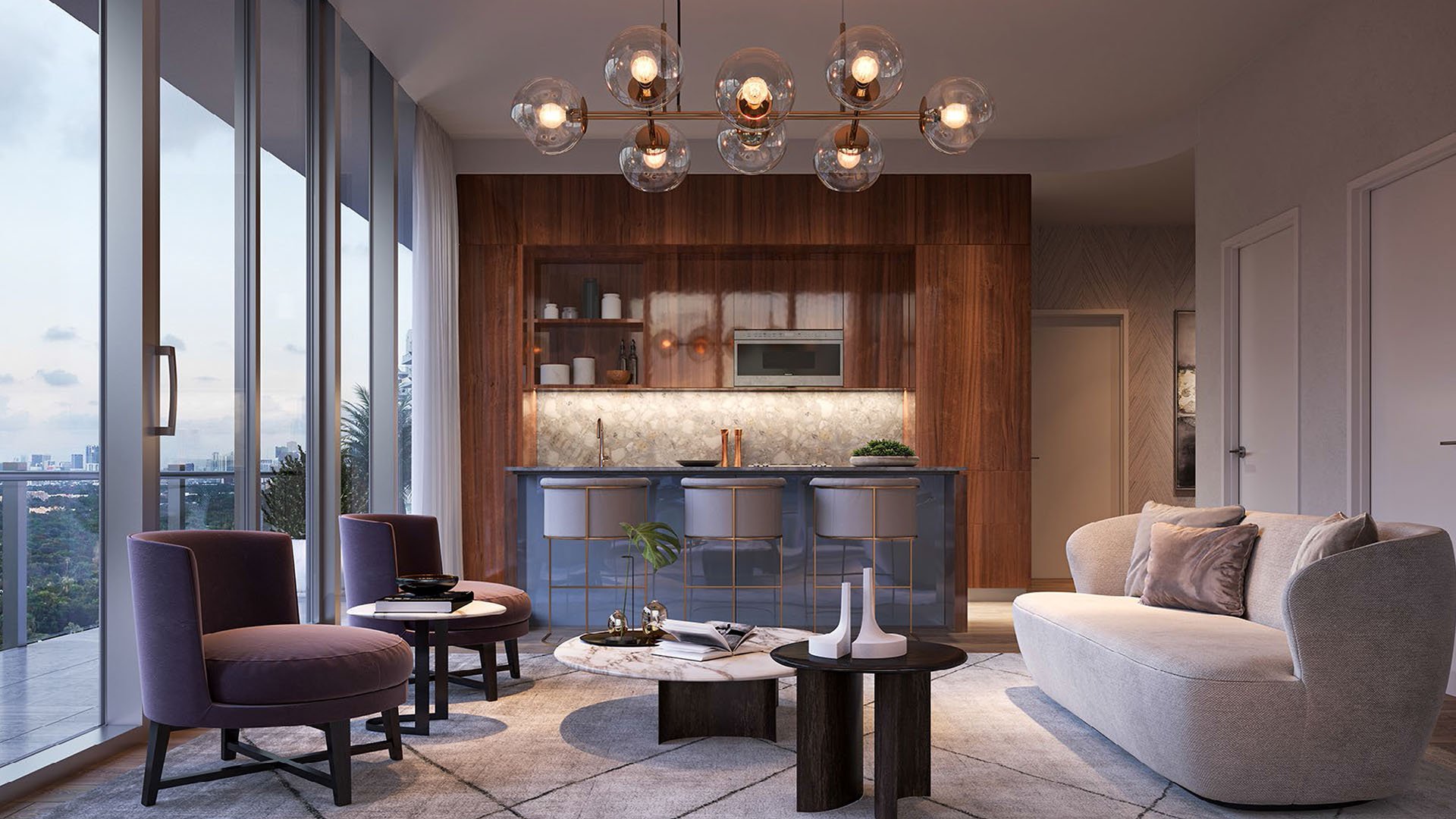
For an owner, the most consequential gap may be between a functioning building and a functioning home. Operating elevators and illuminated common areas can coexist with unpowered residential outlets, appliances, and HVAC.
Some buildings support selected residential HVAC circuits; others support only common-area or mechanical systems. Ask whether backup extends to the residence’s cooling equipment, which components are included, and what operating limitations apply. A statement that the building has air-conditioning backup is incomplete unless it identifies the spaces served.
Apply the same precision to residential circuits. Request a written explanation of covered outlets and appliances, if any. Do not interpret limited residential coverage as permission to use every electrical device normally.
For a Sunny Isles Beach search that includes Bentley Residences Sunny Isles, compare documented coverage rather than assume equivalent performance across luxury properties. The relevant distinction is the scope of supported systems, not the vocabulary used to describe them.
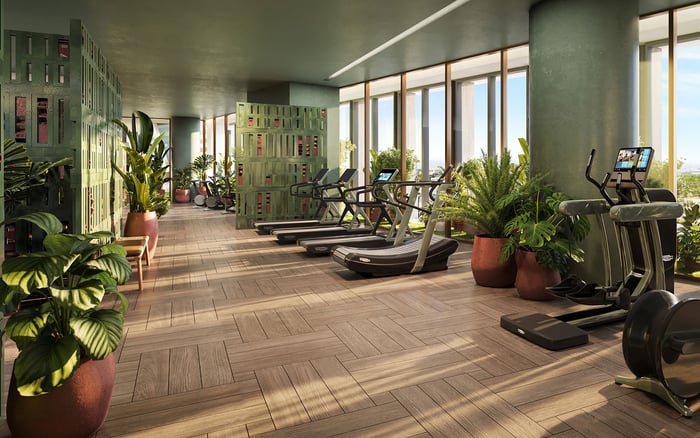
Pools, spas, fitness centers, theaters, and restaurants are not generally life-safety loads. Their continued operation depends on generator capacity and the association’s emergency priorities. Backup electricity for part of an amenity does not, by itself, mean residents will be permitted to use it.
Garage gates may operate when connected to emergency power, yet management can still restrict vehicle access during an emergency. Distinguish an electrically functional gate from an unrestricted route into and out of the property.
In Coconut Grove, the same questions belong in a review of Park Grove Coconut Grove or any other condominium under consideration. Ask separately about garage operation, common-area cooling, and amenity availability. These are requests for property-specific confirmation, not assertions about the development’s systems.
Generator runtime depends on fuel supply and operating load. A capacity figure alone cannot establish how long the building can sustain its designated services. Request tank capacity, estimated runtime at the anticipated operating load, and hurricane-refueling arrangements.
Then confirm whether the runtime estimate assumes the same systems listed in the coverage matrix. An estimate based on fewer loads does not establish how long broader residential or amenity coverage can continue. Keep the stated operating assumptions attached to every runtime claim.
Request available permitting and technical documentation for the permanent generator installation, including professionally prepared plans and equipment information. Ask how the installation addresses exhaust clearances and separation from building openings.
Do not treat a private balcony as a substitute for building backup power. Before considering any private generator, review installation, exhaust, fire-safety, and association restrictions with qualified professionals.
Before relying on any backup-power representation, ask management for a written matrix that separates life-safety equipment, elevators, domestic-water pumps, access controls, common-area HVAC, residential circuits, and amenities. For each category, request both electrical coverage and the emergency operating policy.
Read that matrix alongside loaded-runtime estimates, fuel arrangements, and available installation documentation. Translate broad descriptions such as “full backup” into specific systems and operating limits.
The strongest purchase decision rests on a clear account of what remains usable, under which conditions, and for how long. Luxury during an outage is not a label on equipment; it is a documented scope of service.
For a considered approach to South Florida condominium ownership, explore MILLION.
If branded residences are on your mind — as a home or as an allocation — we would be glad to share what we are seeing, privately.
Begin a quiet conversationNot necessarily. Emergency power serves designated loads, which may exclude residential outlets, appliances, and HVAC.
Elevator backup must be verified for the specific building. Confirm both which elevators receive emergency power and management’s emergency operating policy.
No. A building can support elevators and common systems while residential circuits remain without power.
That depends on coverage for domestic-water or booster pumps. Fire-pump backup alone does not establish domestic-water service.
It is building-specific. Some systems support selected residential HVAC circuits, while others cover only common-area or mechanical equipment.
Their operation depends on generator capacity and association priorities. Electrical coverage does not guarantee that management will keep an amenity available.
They may operate if connected to backup power. Management can still restrict vehicle access during an emergency.
Runtime depends on fuel supply and operating load. Request tank capacity, estimated loaded runtime, and hurricane-refueling arrangements.
Do not treat a balcony generator as a substitute for building backup power. Review installation, exhaust, fire-safety, and association restrictions with qualified professionals before considering any private generator.
Request a written system-by-system coverage matrix, emergency operating policies, loaded-runtime estimates, fuel arrangements, and available installation documentation.