A practical Palm Beach buyer’s guide to inspecting coastal windows, evaluating balcony waterproofing, tracing water intrusion, and checking warranty terms alongside structural inspections and reserve planning.
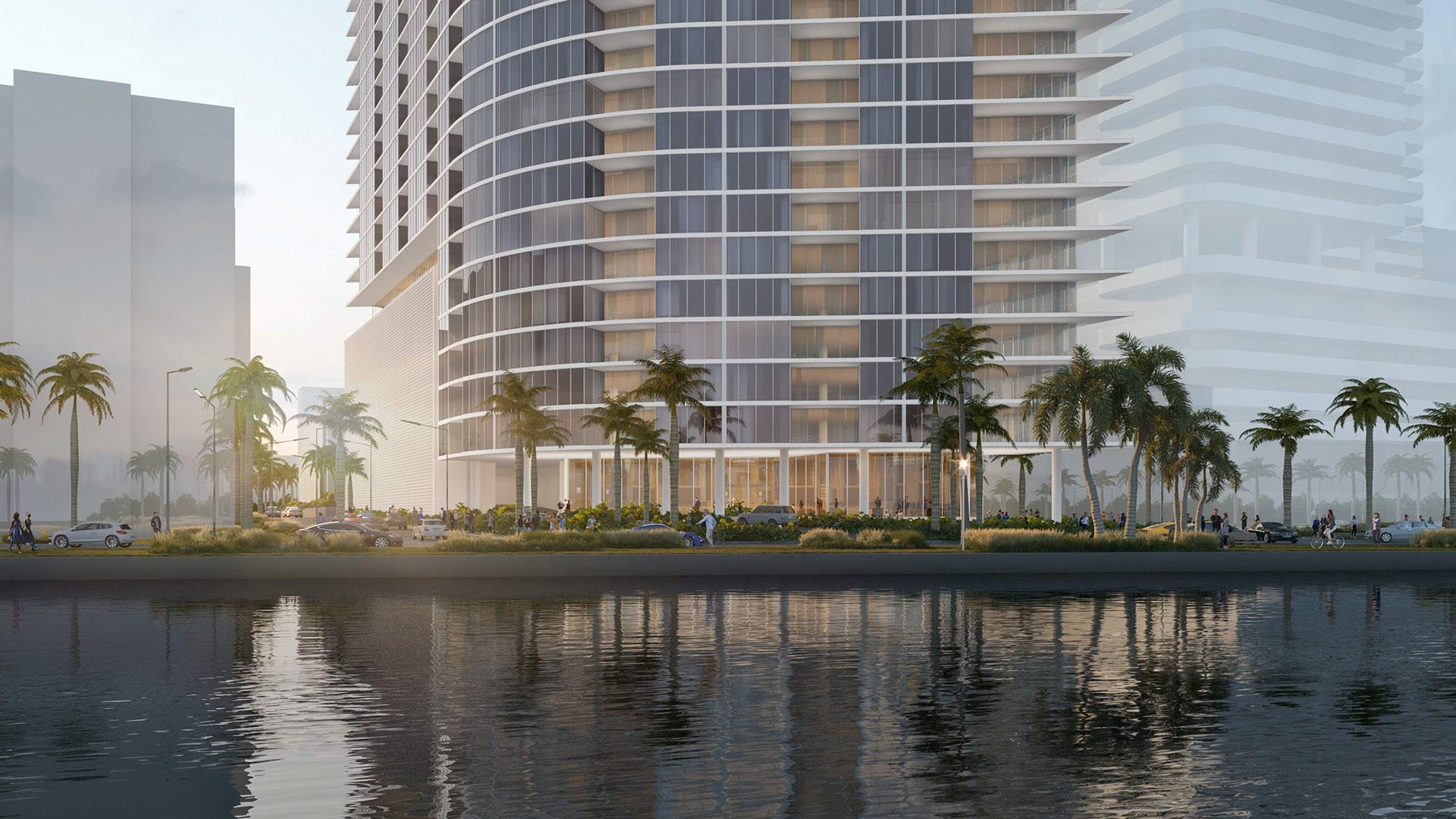
In Palm Beach, a terrace and a beautifully framed water view can define a residence. Before purchase, however, less photogenic details deserve equal attention: lower window tracks, railing anchors, door thresholds, and the waterproofing beneath the balcony finish. These are the points where coastal exposure meets construction quality and ongoing care.
A useful buying framework separates four questions: What is installed? What condition is it in? How has it been maintained? Who will pay if work is needed? A polished interior cannot answer them. Neither can a general assurance that the windows are impact-rated or the balcony was recently refreshed.
For buyers also considering West Palm Beach, including Alba West Palm Beach, these questions offer a consistent basis for comparison. Project references here provide shopping context, not findings about any named building’s condition, specifications, or warranty coverage.
Salt exposure is not simply a glass-cleaning issue. Deposits accumulate on frames, tracks, hardware, and glazing seals, accelerating metal corrosion and deterioration of weather-sealing materials. Even impact windows require coastal maintenance: deterioration of frames, gaskets, adhesives, and seals can compromise resistance to air and water infiltration.
Ask an inspector to examine sash corners, hardware mounts, locks, hinges, thresholds, roller tracks, and lower frame sections. The question is not merely whether a window opens, but whether the assembly shows deterioration that warrants specialist evaluation. Request window identification and installation records so observations can be matched to the installed product.
For exposed oceanfront hardware, ask which metal grade was specified. Discuss Type 316 or 316L stainless steel rather than accepting an unspecified stainless-steel description; these grades are preferable to 304 for exposed coastal hardware and fasteners. This is a specification question, not a guarantee that any metal is maintenance-free.
Evaluate a balcony as a system, not a surface. Effective waterproofing depends on positive slope toward drainage, a continuous membrane, sealed penetrations, flashing, and prevention of standing water. Attractive tile alone does not establish whether those components are intact.
Pay particular attention to rail posts and the junction between the balcony and the interior door. Unsealed railing penetrations, poorly detailed thresholds, and inadequate or clogged drains are recurring water-entry points. Ask about ponding complaints and drainage corrections, not just visible leaks inside the residence.
Request the membrane’s type and age, the scope of past repairs, engineering findings, and details of completed or planned remediation. If a balcony has been refinished, establish whether the work included the waterproofing system or only the finish. A recent cosmetic improvement is no substitute for a documented repair history.
Railing condition is also a safety matter. Loose connections, corrosion, and questions about structural anchorage warrant professional review. Deteriorated balcony concrete warrants engineering scrutiny and can prompt more detailed investigation within the milestone inspection process.
When a seller describes a leak as resolved, ask for the original complaint, diagnosis, repair scope, and any follow-up evaluation. The objective is to distinguish a documented correction from a surface treatment that leaves the cause unresolved.
Have the inspection address caulking around windows and doors, exterior penetrations, and the balcony-to-threshold interface. Cracks or gaps can admit water. Review building-envelope assessments for sealant failures, corroded fasteners, and balcony slab cracking rather than limiting the inquiry to the apartment’s interior.
A buyer evaluating Forté on Flagler West Palm Beach should take the same evidence-led approach to document requests. Ask about the specific residence and relevant shared systems; neither neighboring properties nor a building’s presentation establishes their condition.
A window warranty is a document to examine, not a shorthand assurance. Obtain the manufacturer’s actual terms, product identification, installation paperwork, and maintenance records. Coastal upkeep, installation quality, and cleaning products can affect coverage; neglected maintenance, improper installation, or unsuitable cleaners may jeopardize it.
Have the seller or relevant warranty provider clarify these points in writing:
Whether coverage transfers to the purchaser and whether any transfer steps apply.
Which components are covered and how much coverage remains.
How salt-related corrosion or finish deterioration is treated.
Whether labor, service visits, and installation issues fall within coverage.
What cleaning, inspection, and recordkeeping obligations apply.
These are verification questions, not presumed benefits or exclusions. Do not assume that protection for one component extends to the entire assembly. Resolve unclear answers against the actual terms before relying on the warranty in the purchase decision.
Freshwater rinsing removes accumulated salt. Quarterly rinsing of frames, tracks, weep holes, and hardware is one approach to coastal maintenance, while exposed balcony rails may call for monthly-to-quarterly washing and additional post-storm cleaning. Quarterly checks of caulking and exterior penetrations offer another useful planning reference.
These intervals should not override the installed product’s instructions or actual exposure. Ask for the applicable care manual and a record of what has been done, by whom, and with which products. For a second home, establish who will arrange maintenance when the residence is unoccupied.
When considering Shorecrest Flagler Drive West Palm Beach, make maintenance part of the design and lifestyle discussion. The goal is a product-specific care plan, not a generic promise of coastal durability.
For covered residential condominium and cooperative buildings of three habitable stories or more, Florida’s milestone inspection framework generally calls for an initial inspection at 30 years and every 10 years thereafter. Local authorities can require the first inspection at 25 years based on circumstances including environmental exposure and proximity to salt water.
Do not treat distance from the coast as a universal automatic trigger. Confirm the building’s applicable timetable and local enforcement requirements, then review inspection findings and any further investigation or required work.
Examine the association’s Structural Integrity Reserve Study alongside waterproofing repair plans and funding assumptions. Ask how identified work is reflected in reserves, what work remains planned, and whether additional funding is contemplated. A well-presented balcony does not establish that future repairs are funded.
Before committing, assemble the window specifications and warranty, maintenance history, balcony repair records, building-envelope and structural assessments, and relevant reserve planning documents. Have qualified professionals reconcile physical observations with those records and identify unresolved questions.
The goal is not a residence untouched by coastal exposure. It is a clear understanding of condition, care obligations, and potential repair responsibility before the view becomes yours.
For a considered approach to your Palm Beach property search, explore MILLION.
If branded residences are on your mind — as a home or as an allocation — we would be glad to share what we are seeing, privately.
Begin a quiet conversationYes. Salt-related deterioration of frames, gaskets, adhesives, and seals can compromise resistance to air and water infiltration.
Inspection points include sash corners, hardware mounts, locks, hinges, thresholds, roller tracks, and lower frame sections. Glass condition alone does not establish the condition of the assembly.
Ask for the actual grade rather than an unspecified stainless-steel description. Type 316 or 316L is preferable to 304 for exposed coastal hardware, but still requires care.
Quarterly freshwater rinsing is one maintenance approach. Follow the installed product’s instructions and adjust the care plan to actual exposure rather than treating that interval as universal.
Key elements include positive slope toward drainage, a continuous membrane, sealed penetrations, flashing, and prevention of standing water. The visible finish alone cannot establish their condition.
Unsealed railing penetrations, poorly detailed door thresholds, and inadequate or clogged drains deserve close attention. Ask for any history of ponding and associated repairs.
Request the complaint history, diagnosis, repair scope, and any follow-up evaluation. Review these with a qualified professional to assess whether the underlying cause was addressed.
Do not assume transferability. Obtain the actual manufacturer’s terms and written clarification of transfer requirements, remaining coverage, exclusions, and maintenance obligations.
Covered residential condominium and cooperative buildings of three habitable stories or more generally require inspection at 30 years and every 10 years thereafter. Local authorities may require the first inspection at 25 years based on local circumstances.
Not necessarily. Review the association’s Structural Integrity Reserve Study, repair plans, and funding assumptions to understand how identified work will be paid for.