
For boating households, a Miami residence and its water access should be evaluated as one integrated system. The decisive questions extend beyond the view to berth rights, vessel fit, navigational constraints, operating logistics, and the long-term flexibility of both home and boat.
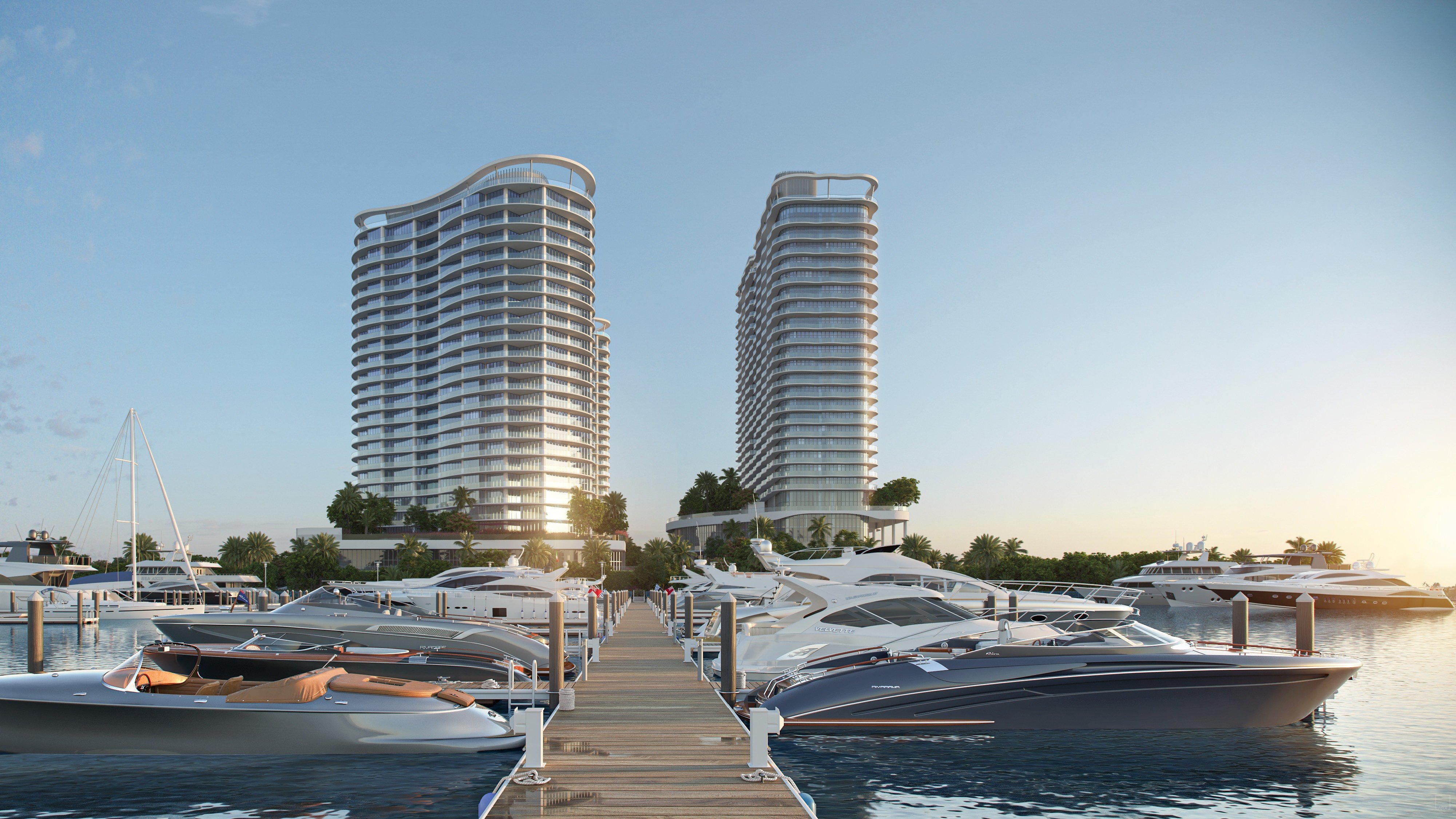
A waterfront purchase can appear complete from the terrace: open water, a polished arrival, and the promise of effortless weekends aboard. For an owner who boats regularly, however, the view is only the beginning. The more consequential question is whether the residence, berth, route, and vessel function together without avoidable friction.
That inquiry should begin with the boat itself. Record its overall length, beam, draft, air draft, shore-power requirements, boarding arrangement, and service needs. Then consider whether the next vessel may be larger or configured differently. A home that works for today’s boat may become an expensive constraint as ownership plans evolve.
The central principle for boating residences is to evaluate the lifestyle operationally. A waterfront address may carry emotional value, but navigability, dock rights, and daily usability determine whether that value translates into a satisfying ownership experience.
A slip beside a building should not be assumed to accompany a residence. Buyers should establish in writing whether dockage is deeded, assigned, licensed, leased, separately purchased, or subject to availability. They should also determine whether the right transfers with a sale, can be reassigned, or depends on continued approval.
Physical fit deserves equal scrutiny. The relevant dimensions extend beyond nominal vessel length. Pilings, fairways, turning space, fender placement, boarding height, and neighboring boats can all influence practical use. The boat-slip discussion should also address power, water, lighting, security, waste handling, loading access, parking proximity, and the path between the residence and dock.
Rules matter as much as hardware. Ask about guest vessels, crew access, contractors, deliveries, fueling practices, maintenance work, overnight stays aboard, and storm procedures. A marina may look beautifully composed while operating under policies that conflict with an owner’s intended routine.
Marina access is a journey, not a pin on a map. Before committing, trace the route from the exact berth to the water where the vessel will typically be used. Identify every fixed bridge, movable bridge, narrow channel, turning point, shallow segment, and area where conditions may affect timing or handling.
Compare bridge clearance with the vessel’s air draft using a prudent operating margin. Do not rely on casual assurances that a boat “should fit.” Antennas, outriggers, radar equipment, towers, and other elements can alter the vessel’s effective height. If a movable bridge forms part of the route, examine its operating pattern against the owner’s likely departure times.
Depth requires the same discipline. Compare the vessel’s draft with conditions along the entire route, including the berth and fairway. A sea trial from the proposed dock, conducted with the appropriate marine professionals, can reveal practical considerations that are difficult to discern from plans or photographs.
Different Miami settings can produce markedly different ownership equations, even when the homes appear comparable on paper. A buyer considering The Ritz-Carlton Residences® Miami Beach might place it on the same decision matrix as Una Residences Brickell, then compare each residence by intended vessel, route, dock arrangement, and landside routine.
The same method applies when evaluating Onda Bay Harbor. A project name or waterside setting should prompt questions, not conclusions: What rights are included? What vessel profile can be accommodated? What route must be navigated? Who manages dock operations, and what documents govern use?
For buyers widening the search beyond Miami, St. Regis® Residences Bahia Mar Fort Lauderdale can be assessed through the same framework. The objective is not to declare one district universally superior, but to identify the combination of residence and water access that best serves a specific boating life.
The purchase price is only one line in the analysis. Buyers should request a clear account of recurring marina charges, dock-related assessments, utilities, insurance responsibilities, maintenance obligations, and any separate agreements associated with the berth. Future capital work should also be addressed, particularly where docks, pilings, electrical systems, or seawalls involve shared governance.
Time belongs in the equation as well. Consider the minutes required to move from parking or residence to the boat, load provisions, board guests, clear the marina, and reach the preferred cruising area. In practice, a route that creates repeated delays can matter more than a modest difference in interior finishes.
Finally, test the exit strategy. If their rights are separated, the residence and dockage may appeal to different pools of future buyers. Conversely, a highly specific berth configuration may suit one vessel perfectly while offering less flexibility for another. Legal counsel, a marine surveyor, an insurance adviser, and other qualified specialists can help a buyer examine each component before contracts become binding.
Before making the boating lifestyle part of the purchase rationale, request the governing marina documents and the instrument defining the berth right. Confirm dimensions and services, review restrictions, inspect the dock, and map the complete navigational route. Match those findings to both the current vessel and a realistic future vessel.
The strongest decision file combines residential due diligence with marine due diligence. It distinguishes what is owned from what is merely available, what is guaranteed from what requires approval, and what works year-round from what may depend on operating conditions. That level of precision protects both enjoyment and optionality.
Does a waterfront residence automatically include a boat slip? No. The dock right may be deeded, assigned, leased, licensed, separately sold, or unavailable, so the controlling documents should be reviewed.
What vessel measurements should a buyer provide? Provide overall length, beam, draft, air draft, boarding needs, and utility requirements, along with a realistic profile for any future boat.
Why is bridge clearance part of residential due diligence? A bridge can determine whether the intended vessel can comfortably use the route and whether onboard equipment creates additional constraints.
Should a buyer inspect the route by boat? When practical, experiencing the exact berth-to-destination route with appropriate marine expertise can clarify questions of handling, timing, and access.
What dock services deserve confirmation? Confirm the specific availability and terms for power, water, lighting, security, waste handling, loading, and approved maintenance access.
Can dock rules affect crew and contractors? Yes. Access, working hours, deliveries, repairs, and guest-vessel policies may shape how the boat is operated and maintained.
How should water depth be evaluated? Compare the vessel’s draft with the berth, fairway, and complete route under the operating conditions relevant to the owner.
What marina costs should enter the budget? Ask about recurring fees, utilities, insurance responsibilities, maintenance obligations, assessments, and charges under any separate berth agreement.
Why consider a future vessel before buying? A larger or differently configured boat may require greater beam, depth, clearance, power, or maneuvering room than the current vessel.
Which professionals can assist with the review? Depending on the transaction, buyers may consult legal counsel, marine surveyors, insurance advisers, and other qualified residential and marine specialists.
For a tailored shortlist and next-step guidance, connect with MILLION.
If branded residences are on your mind — as a home or as an allocation — we would be glad to share what we are seeing, privately.
Begin a quiet conversation
.jpg&width=700&height=438&fit=cover)