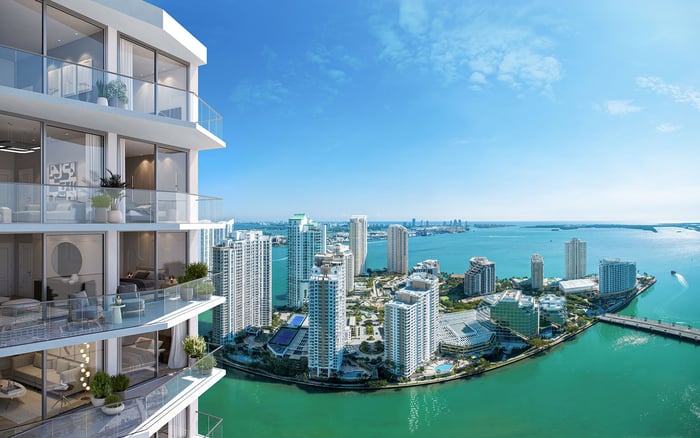
A polished Key Biscayne residence can appear ready well before every condition for closing and possession is satisfied. This guide aligns municipal occupancy approval, financing, insurance, contract deadlines, and move-in rights so buyers can plan from documentary readiness rather than an optimistic completion date.
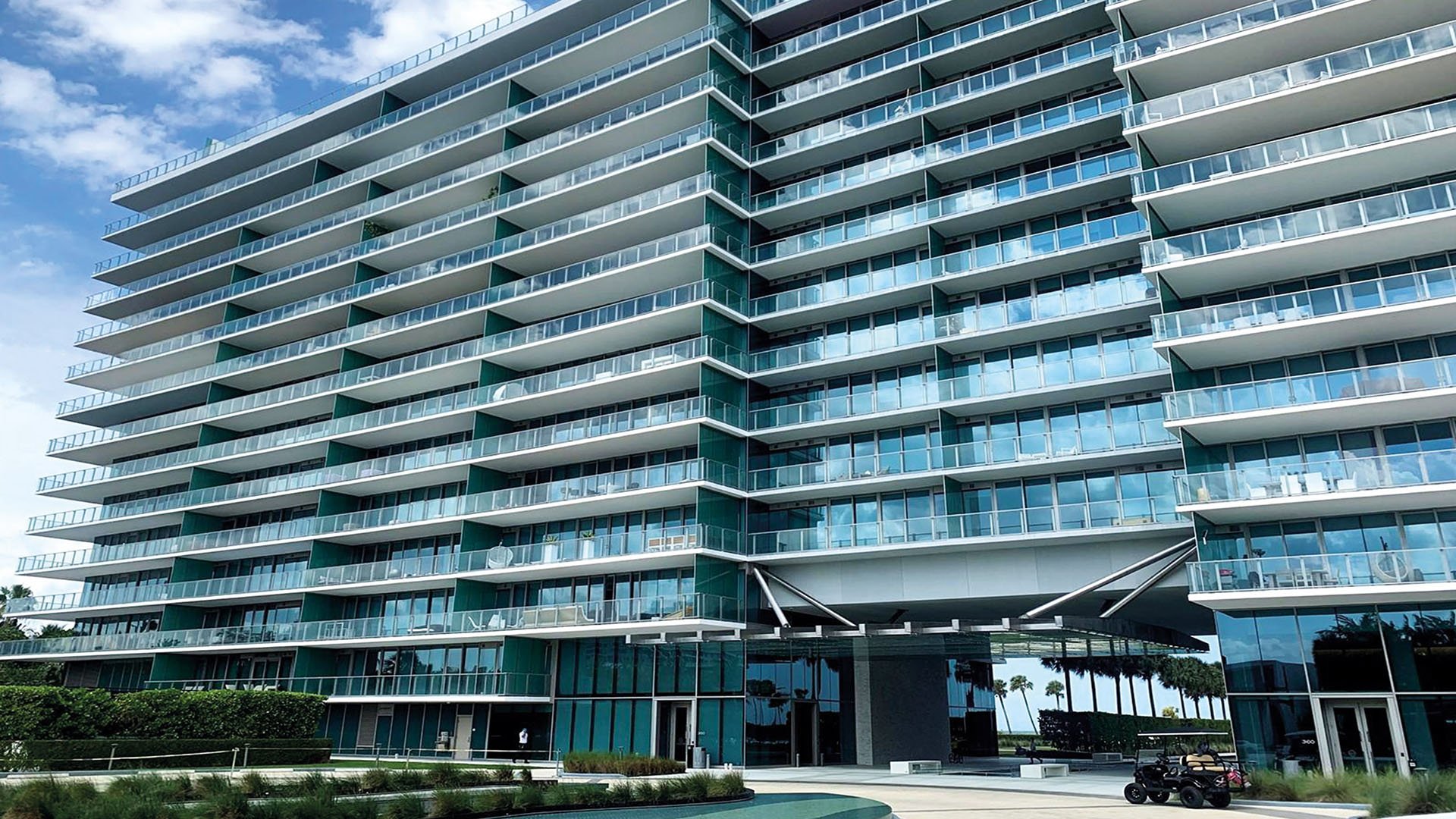
In Key Biscayne, a residence may appear complete while its legal and financial path to occupancy remains unfinished. Cabinetry may be installed, lighting commissioned, and a final walkthrough scheduled, yet the purchase may still depend on inspections, recorded documents, municipal approval, insurance underwriting, and lender clearance. A sophisticated buyer therefore treats the developer’s projected completion date as a planning reference-not as permission to close or move in.
The Village of Key Biscayne Building Division administers the Florida Building Code and issues Certificates of Occupancy, commonly called COs, as well as Certificates of Completion. Required inspections and municipal approval remain decisive. For a buyer considering Oceana Key Biscayne or another island residence, the essential question is not simply whether the home appears ready, but which certificate exists, what it authorizes, and whether the purchase agreement, lender, and insurer will accept it.
A finished residence is not necessarily a residence legally ready for closing and possession.
This distinction belongs at the center of any buyer’s guide review. It is especially important in new-construction and pre-construction transactions, where several independent timelines must converge.
Purchase documents should specify whether a temporary certificate of occupancy, or TCO, can trigger closing or whether only a final CO will suffice. The distinction can be material. Key Biscayne permits a TCO when at least the sod portion of required landscaping has been installed, while final occupancy approval still depends on full landscape compliance. The Village will not issue a final CO until the required landscaping has been installed and approved by the Building, Zoning and Planning Department.
A buyer asked to close on a TCO should obtain written confirmation that both the lender and insurer will accept it. The contract should also preserve an enforceable obligation for the seller to complete outstanding work, identify the applicable standard, and address timing and remedies. A broad promise to finish remaining items later provides less clarity than a written schedule tied to specific responsibilities.
Documentation beyond the physical residence matters as well. Key Biscayne prohibits the issuance of a permit, CO, certificate of use, or local business tax receipt until required documents have been recorded. Buyers should verify the status of relevant plats, easements, covenants, and other required instruments rather than rely on visual completion alone.
Municipal permit and inspection activity can be monitored through the Village’s online citizen-access portal. The Building, Zoning & Planning office is located at 88 W. McIntyre Street. Counsel can use the available record, alongside written status updates from the seller, to distinguish a realistic closing window from an aspirational date.
Standard mortgage rate locks commonly run for 30, 45, 60, or 90 days. Certain preferred-lender programs for new construction may offer 60, 90, 180, or 270 days, with longer periods typically carrying a higher cost. The objective is not reflexively securing the longest lock. It is matching the lock to a conservative estimate for the CO, completion of underwriting, and closing.
If construction or municipal approval extends beyond the lock period, the buyer may have to purchase an extension or accept a new market rate. Before locking, ask the lender to disclose the extension formula, any limits on extensions, the treatment of seller-caused delays, and the point at which a relock becomes necessary. These terms should be evaluated alongside the contract’s outside closing date.
This discipline applies across South Florida’s premium market, whether evaluating island living or comparing the timing framework with Vita at Grove Isle and Park Grove Coconut Grove. A project name or anticipated delivery season does not determine a prudent lock date. Documentary progress does.
A financed buyer generally needs a bound homeowners policy effective on the closing date, with the lender identified as mortgagee and loss payee. The first year’s premium generally must be paid at or before closing. Without the required binder, the lender may be unable to fund even if the loan is otherwise approved.
Insurance should therefore proceed as a parallel workstream, not a final-week task. Unresolved inspections, repairs, photographs, receipts, approvals, or other underwriting documents can prevent a carrier from binding coverage. When an issue arises, identify the precise missing item immediately and circulate it to the lender, seller, closing agent, and other responsible parties.
For a condominium, the buyer’s team should coordinate unit coverage with the building information requested by the insurer and lender. For a single-family home, property-specific inspections or repairs may become central to binding. Exact requirements will depend on the home and underwriting; assumptions based on another residence are no substitute for written confirmation.
Buyers comparing The Ritz-Carlton Residences® Miami Beach with Key Biscayne opportunities should apply the same principle: request binding requirements early, assign responsibility for missing materials, and set an internal deadline ahead of the contractual closing date.
Under Florida’s standard AS IS residential contract, the seller generally delivers occupancy and possession at closing, free of tenants and occupants, unless the parties agree otherwise. Keys, access credentials, furniture delivery, contractor entry, and overnight use should not be treated as automatic before ownership transfers.
Moving in before closing requires a separate written lease, pre-closing occupancy agreement, or similar instrument. Such an agreement grants limited possession but does not transfer title. It should define permitted use, start and end dates, rent if any, utilities, maintenance, insurance, liability, association approval, and the consequences if closing never occurs. Until closing, the seller remains the legal owner and must account for liability, insurance, and condominium restrictions.
The same precision is required when a seller remains after closing. Post-closing occupancy departs from the usual possession-at-closing structure and should include a firm departure date, financial terms, responsibilities, and remedies. Move-in rights are contractual-not a courtesy inferred from an anticipated closing.
The strongest approach places five dates on one page: the expected TCO or final CO, the contractual closing window and outside date, the rate-lock expiration, the insurance-binding deadline, and the date possession may lawfully begin. Each date should have an owner, a documentary requirement, and a contingency.
Before authorizing movers or releasing major funds, confirm the certificate status, required recordings, lender acceptance, insurance binder, final closing authorization, and written possession terms. Whether the acquisition is an investment or a personal residence, disciplined sequencing protects both economics and expectations.
Legal interpretation and drafting should be handled by a Florida real-estate attorney. Financing and insurance decisions should likewise be confirmed directly with the professionals responsible for approval. In Key Biscayne, discretion at closing begins with refusing to let a projected date stand in for verified readiness.
For discreet guidance on coordinating your South Florida purchase, connect with MILLION.
If branded residences are on your mind — as a home or as an allocation — we would be glad to share what we are seeing, privately.
Begin a quiet conversationNo. Occupancy still depends on required inspections and municipal approval, regardless of how complete the residence appears.
The Village of Key Biscayne Building Division administers the applicable building code and issues Certificates of Occupancy and Certificates of Completion.
It can if the purchase contract permits it and the lender and insurer accept it. Buyers should obtain those positions in writing before agreeing to close.
Key Biscayne requires installation and approval of required landscaping before issuing a final CO. A TCO may be available when at least the sod portion has been installed.
Relevant plats, easements, covenants, and other required instruments should be checked rather than assuming visual completion is sufficient.
Common periods are 30, 45, 60, or 90 days. Some new-construction programs offer longer locks, often at a higher cost.
The buyer may need to pay for an extension or accept a new market rate. Extension terms should be reviewed before the original lock is chosen.
The policy generally must be bound and effective on the closing date, with the lender identified appropriately. A missing binder can prevent funding.
Only through a separate written lease, pre-closing occupancy agreement, or similar document. The purchase contract alone does not transfer early ownership.
It should address permitted use, dates, insurance, maintenance, rent, liability, association restrictions, and what happens if the closing fails.