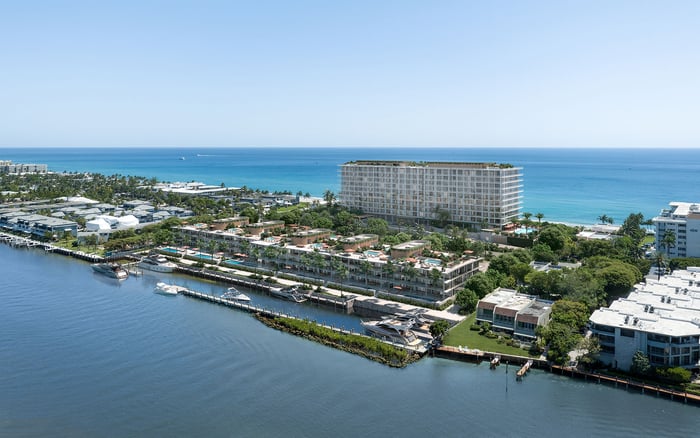
In a slender oceanfront market, the building is only the first filter. Buyers should assess resale depth, the exact line, view durability, carrying costs, and exit competition before deciding what a Hillsboro Beach residence is truly worth.
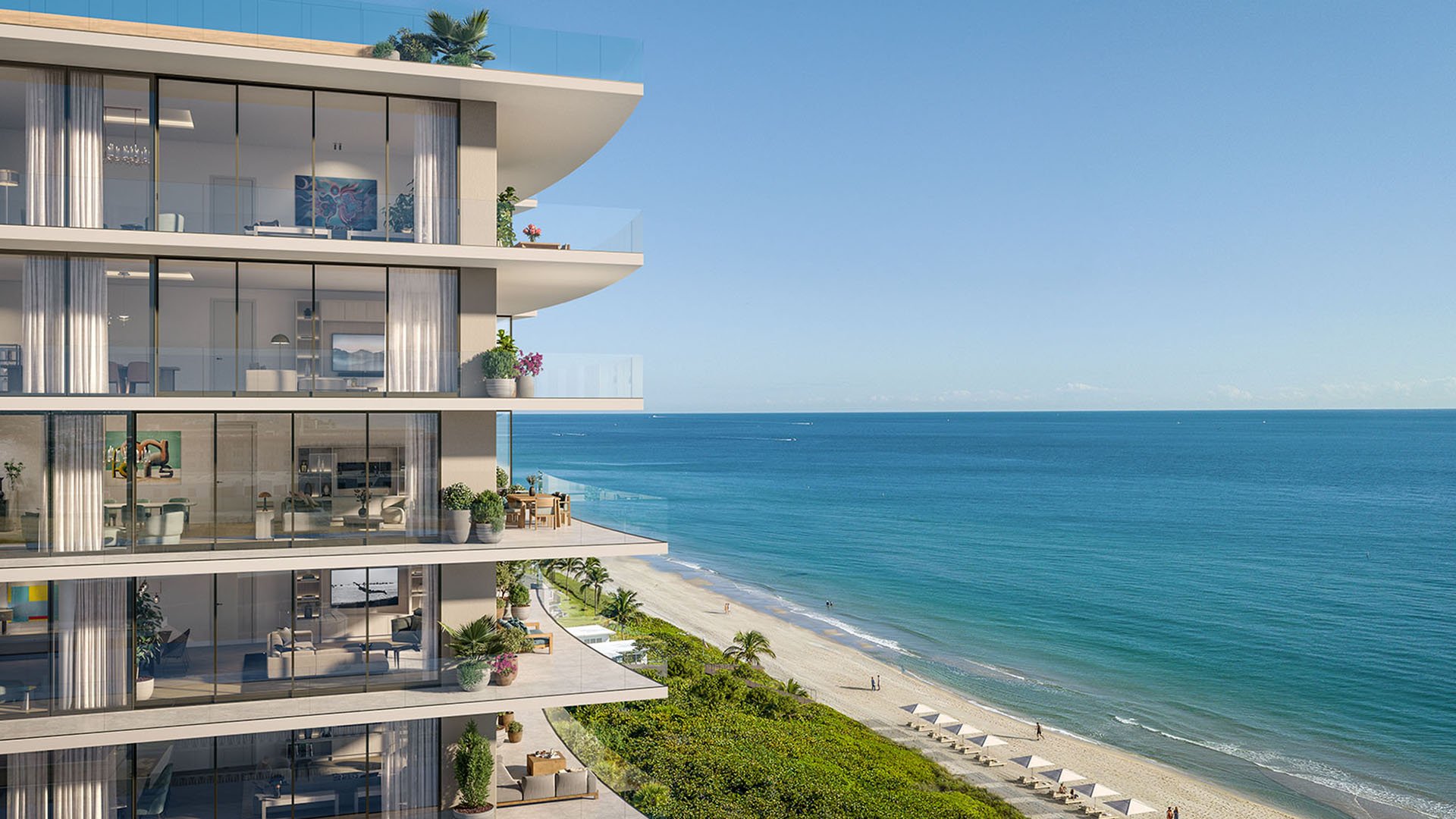
Hillsboro Beach rewards precision. In this narrow coastal setting, two residences within the same building can offer materially different ownership experiences based on orientation, elevation, exposure, privacy, and the relationship between interior rooms and the water. A buyer focused solely on price per square foot may overlook the attributes that shape both daily enjoyment and eventual resale.
The central question is not simply whether a property is oceanfront. It is whether the specific residence combines a desirable line, durable views, functional proportions, and an exit profile broad enough to support future demand. That distinction becomes especially important when inventory is limited and every listing appears unusually scarce.
This buyer's guide treats scarcity carefully. Scarcity can support value, but only when the scarce feature is one future buyers are also likely to recognize and prioritize.
Resale depth reflects the number and quality of plausible transactions against which a residence can be evaluated. A building with frequent, genuinely comparable sales may offer a clearer valuation framework. A property with very few relevant trades may feel exclusive, but it can also create more room for disagreement among sellers, buyers, appraisers, and lenders.
Ask for closed sales that match the subject as closely as possible by line, floor band, condition, exposure, terrace configuration, and view. A renovated corner residence should not be treated as interchangeable with an interior residence simply because the square footage is similar. Likewise, an older sale may be less instructive if the building's competitive set or the residence's condition has changed.
Resale analysis should also account for current listings and expired offerings. Active inventory reveals the competition a buyer faces today. Stale or withdrawn listings may show where pricing met resistance. No single data point is decisive; together, they establish a range and indicate how deep the market may be when it is time to sell.
Finishes can be replaced. A line cannot. Before buying, map the residence within the building and examine what is structurally fixed: window placement, core views, bedroom exposure, elevator relationship, neighboring terraces, and the path from arrival to the principal living spaces.
The best line is not automatically the largest. A more compact plan may attract stronger future interest if it offers direct water engagement from the primary rooms, cleaner furniture placement, greater privacy, or a more intuitive separation between entertaining and sleeping areas. Conversely, impressive gross area can conceal excess circulation, compromised rooms, or a terrace that does not connect naturally to the interior.
Visit at different times when possible. Morning glare, afternoon heat, wind, exterior lighting, and activity on adjacent balconies can alter the experience. In a waterview residence, stand and sit where owners will actually live. A view visible only from the terrace edge is not equivalent to one framed from the living room, kitchen, and primary suite.
A view premium should be assessed through three questions: quality, breadth, and durability. Quality concerns what is seen. Breadth concerns how many rooms and outdoor spaces receive the view. Durability concerns whether the outlook is structurally protected or merely unobstructed today.
With appropriate advisers, buyers should review available surveys, site plans, condominium materials, public records, and nearby development conditions. The objective is not to predict every future change, but to distinguish an inherently rare perspective from one that depends on a neighboring parcel remaining unchanged.
View scarcity also has an internal dimension. If many residences in the same building share a similar outlook, the premium may be less defensible than it first appears. If only a small subset combines a particular orientation with privacy and usable outdoor space, that feature may carry more weight. Waterfront ownership is most resilient when the view is integrated into the plan rather than treated as scenery beyond it.
Hillsboro Beach should be compared both internally and with nearby luxury coastal options. Rosewood Residences Hillsboro Beach belongs in the local consideration set, while Armani Casa Residences Pompano Beach and The Ritz-Carlton Residences® Pompano Beach offer useful points of comparison farther along the coast.
The purpose is not to declare one address superior. It is to identify precisely what the asking price purchases: location, service model, privacy, design, residence scale, view, or a combination of these qualities. Auberge Beach Residences & Spa Fort Lauderdale provides another reference for buyers considering the broader Broward oceanfront market.
Comparisons should remain residence-specific. A superior line in one property may be more compelling than an average line in a more recognizable building. The correct competitive set is defined not only by geography and price, but also by how each home lives.
Purchase price is only the opening entry. With qualified professionals, review association charges, insurance responsibilities, reserves, planned work, assessment exposure, renovation rules, leasing restrictions, pet policies, parking, storage, and service expectations. Determine whether the amenities align with actual use rather than simply expanding the operating budget.
Then model the exit. Who is the likely next buyer, and what alternatives could that buyer choose? A highly individual residence can be extraordinary for personal use while appealing to a narrower resale audience. That is not necessarily a flaw, provided the purchase decision reflects the intended holding period and the owner's tolerance for a potentially less predictable sale process.
For a second home, convenience may outweigh maximum liquidity. For a primary residence, plan efficiency and year-round comfort may dominate. For an investment-led acquisition, rental rules, carrying costs, and market depth deserve greater emphasis. The disciplined buyer aligns the asset with the purpose of ownership rather than allowing scarcity alone to set the terms.
Before contract, create a matrix covering line, floor, exposure, views from each principal room, terrace usability, privacy, condition, monthly obligations, building documents, and relevant sales. Record both strengths and compromises. This makes residences that initially seem incomparable easier to assess.
Retain legal, tax, insurance, inspection, and condominium specialists as appropriate. Luxury does not eliminate diligence; it makes the consequences of overlooking a structural, financial, or governance issue more significant. In Hillsboro Beach, the strongest acquisition is often the one whose premium can be clearly explained without relying on the word rare.
What does resale depth mean for a condo buyer? It is the quantity and relevance of comparable transactions available to frame value and likely future liquidity.
Why can two units in the same building trade differently? Line, floor, orientation, privacy, condition, terrace utility, and view quality can create meaningful distinctions.
Is the highest floor always the best choice? No. Elevation can improve outlook and privacy, but plan quality, exposure, access, and comfort also matter.
How should a buyer price an ocean view? Consider its quality, breadth across the residence, privacy, and likelihood of remaining unobstructed.
What makes a line desirable? A desirable line typically combines efficient planning, strong principal-room views, privacy, and usable outdoor space.
Should active listings be used as comparables? They show current competition and seller expectations, but closed sales generally provide stronger evidence of accepted pricing.
Why review expired or withdrawn listings? They can reveal where the market resisted pricing, presentation, condition, or a residence-specific compromise.
Do amenities always improve value? Only when buyers use and value them enough to justify their effect on carrying costs and future marketability.
How important is the likely holding period? It is crucial because a shorter horizon increases sensitivity to transaction costs, liquidity, and resale competition.
What should happen before signing a contract? Buyers should review the residence, building documents, financial obligations, restrictions, condition, and professional advice.
To compare the best-fit options with clarity, connect with MILLION.
If branded residences are on your mind — as a home or as an allocation — we would be glad to share what we are seeing, privately.
Begin a quiet conversation