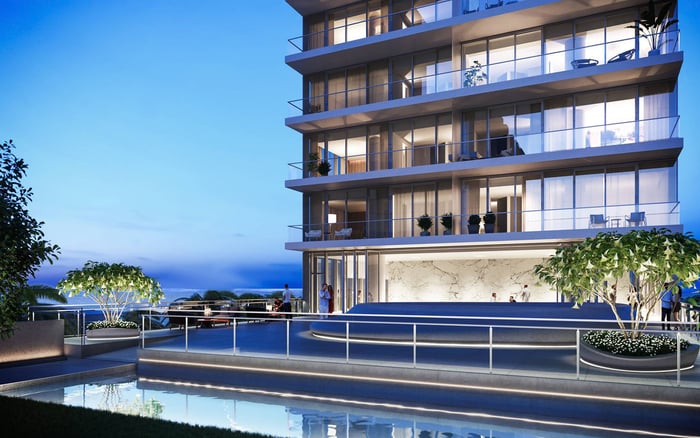
In Aventura, a waterfront view and workable yacht access are separate propositions. Buyers should test berth geometry, route constraints, ownership structure, operating rules, and true travel time before treating dockage as part of a residence's value.
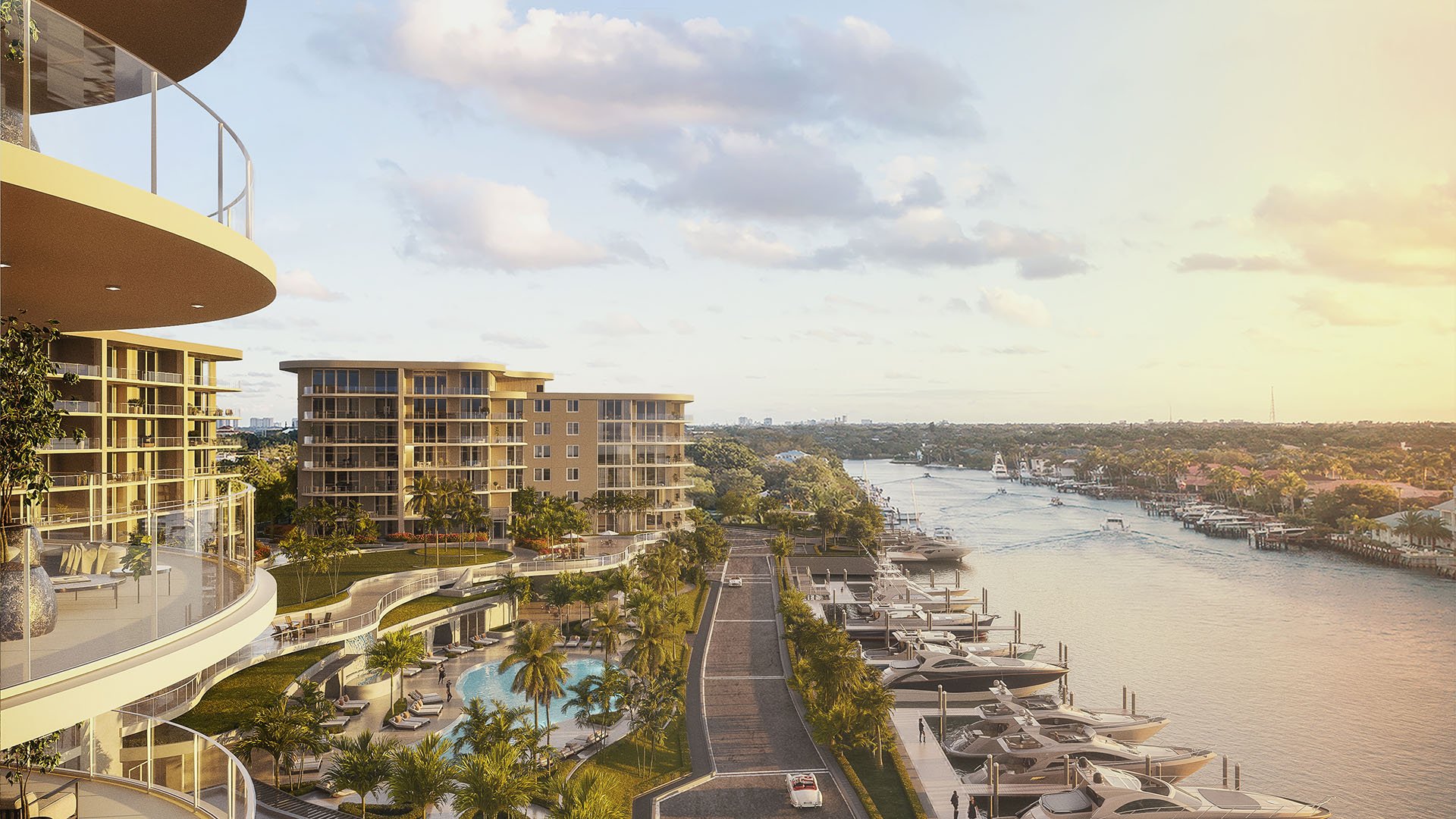
In Aventura, a broad water view does not establish that a particular yacht can use an available berth or follow the owner's preferred route to open water. Marina access adds a technical, legal, and operating layer to a residential acquisition.
That distinction matters when evaluating an established waterfront condominium or a newer Aventura address such as Avenia Aventura. The residence and the boating proposition warrant separate reviews because either may prove unsuitable independently of the other.
A buyer should document the yacht's overall length, beam, draft, and air draft, including fixed equipment and appendages. Those measurements can then be compared with the berth, fairway, turning area, water depth, piling configuration, and utility placement.
Advertised dimensions should not replace an inspection of the actual berth. A captain, marine surveyor, or other qualified professional can help assess maneuvering conditions and verify whether the yacht can be accommodated safely under the conditions relevant to the buyer.
Bridge clearance is specific to the vessel and the route. Buyers should identify every fixed and movable bridge between the berth and the intended inlet, then evaluate how water level, opening procedures, and the yacht's air draft affect passage.
The same analysis should cover charted depth, local operating restrictions, no-wake areas, and potential waiting periods. Claims about access should be confirmed for the precise dock rather than inferred from a neighborhood description.
Nearby coastal projects can provide useful residential comparisons, but they do not share a single navigational profile. Buyers considering Bentley Residences Sunny Isles, Shell Bay by Auberge Hallandale, or One Park Tower by Turnberry North Miami should review the route associated with each property independently.
A useful passage estimate reflects ordinary operating conditions rather than an ideal run. The review should account for the chosen inlet, permitted speeds, no-wake areas, bridge procedures, likely waits, and any route segment that may become difficult under changing water conditions.
A trial passage with a qualified captain can help reveal operational friction that is not obvious from a map. Buyers should also consider whether the route remains acceptable for frequent departures, evening returns, and the vessel's usual cruising plans.
A berth may be deeded, assigned, leased, or governed through a marina or condominium structure. The closing review should establish what interest is being conveyed, whether it transfers with the residence, and whether it can be sold or used independently.
Costs also require a separate schedule. Buyers should review applicable fees, assessments, insurance obligations, utilities, maintenance responsibilities, and access rules for captains, crew, contractors, and guests.
Use restrictions may be as important as physical fit. Governing documents should be checked for rules addressing leasing, charter activity, living aboard, guest access, work performed at the dock, and other intended uses.
Residential diligence and marine diligence answer different questions. Before applicable contract deadlines, the buyer should obtain current berth measurements, investigate depth under relevant conditions, confirm the yacht's air draft, trace the route, and review current marina and association documents.
The ownership equation works best when the residence, berth, route, and governing rules all support the buyer's plans. If any one of those elements fails, the waterfront premium may reflect a view without delivering practical yacht access.
Does a waterfront Aventura condo automatically include dockage? No. Availability and ownership structure must be confirmed for the specific residence and berth.
Which yacht measurements matter most? Review overall length, beam, draft, and air draft, including fixed equipment and appendages.
Is an advertised slip size enough to confirm compatibility? No. Turning space, piling placement, fairway width, depth, and utility location also require review.
Why must bridge clearance be checked for the exact route? Vessel compatibility depends on the bridges encountered between the specific berth and intended inlet.
Can a movable bridge affect practical access? Yes. Opening procedures and waiting periods can add time and uncertainty to a passage.
How should buyers estimate travel time to open water? Use a realistic route analysis that considers operating restrictions, no-wake areas, bridge procedures, and ordinary delays.
Why should dockage be reviewed separately from the residence? The berth can have distinct ownership terms, costs, transfer rights, and operating rules.
What dockage documents should a buyer examine? Review the governing documents, applicable agreements, budgets, assessments, insurance requirements, utility terms, and access rules.
Can physical yacht fit guarantee that the intended use is permitted? No. Marina or association rules may restrict particular activities even when the vessel fits the berth.
Who can help evaluate a berth and route? A qualified captain, marine surveyor, attorney, and appropriate property professionals can address different parts of the review.
To compare the best-fit options with clarity, connect with MILLION.
If branded residences are on your mind — as a home or as an allocation — we would be glad to share what we are seeing, privately.
Begin a quiet conversation