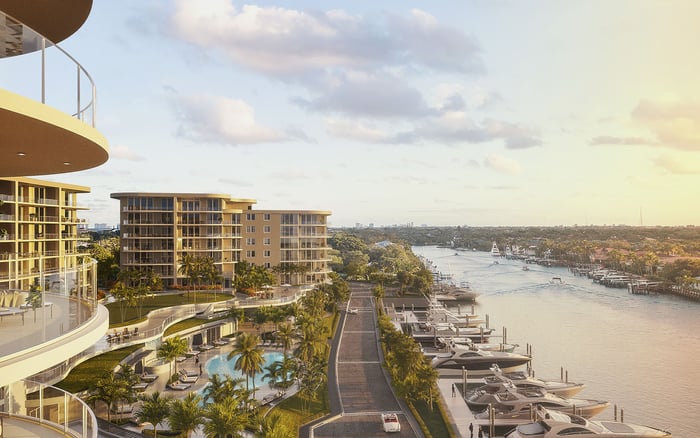
At a highly serviced condominium, loading-dock policy quietly shapes everything from art installation and furniture delivery to catered dinners. Prospective buyers at The Bristol should make current written procedures part of their pre-closing review.
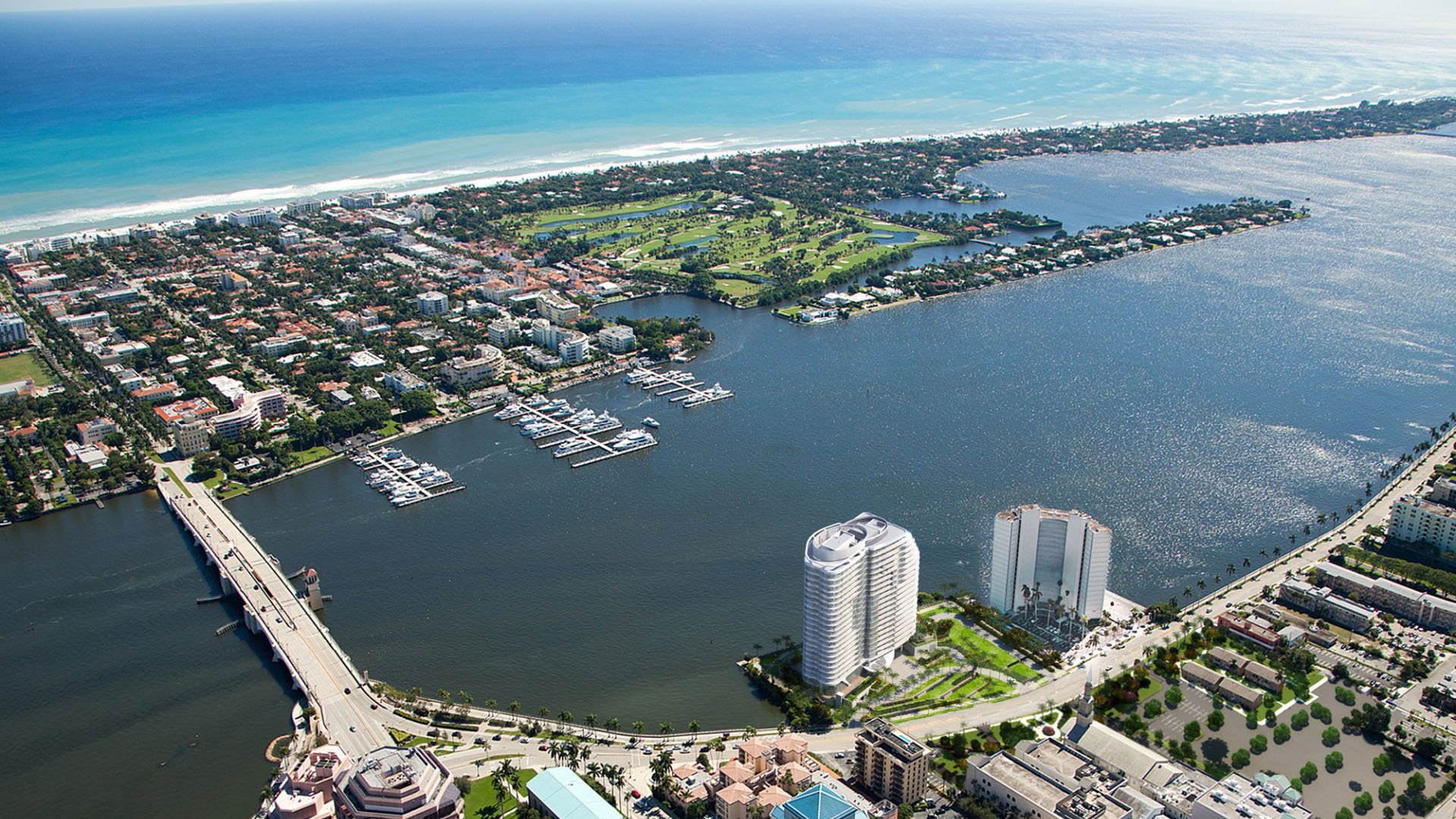
At an ultra-premium condominium, the loading dock is more than a back-of-house feature. It is the controlled threshold through which furniture, art, floral installations, catering equipment, appliances, building materials, and household supplies may need to pass. Its procedures shape how effortlessly a residence functions, particularly for an owner who entertains frequently, employs household staff, or occupies the home seasonally.
For a buyer considering The Bristol Palm Beach, the essential first step is to request the current condominium documents and written operating procedures before closing. This review does not establish a current Bristol-specific loading-dock rulebook, so details should not be inferred from custom, marketing, or another building’s practices. Management’s written response should establish what applies today.
At a luxury condominium, operational fluency is part of the ownership experience.
This question matters throughout Palm Beach and West Palm Beach, including for buyers comparing residences such as Forté on Flagler West Palm Beach. Buyers should treat each property’s service access as independent. A polished arrival sequence at one address says nothing definitive about the dock hours, freight capacity, vendor credentials, or reservation system at another.
Begin with dock hours, reservation lead times, permitted delivery duration, cancellation charges, deposits, quiet hours, and penalties. Ask whether brief parcel handoffs are treated differently from deliveries of furniture, appliances, artwork, or catering equipment. Confirm which deliveries may arrive during business hours without an appointment and which require a reserved window.
The physical limits are equally important. Obtain the dock’s truck-length and height restrictions, freight-elevator dimensions, door clearances, elevator capacity, and any floor-load limits. Ask whether the property imposes vehicle or weight thresholds, prohibits engine idling, or restricts material-handling equipment. These questions do not establish The Bristol’s policy, but they demonstrate why a vendor’s assurance that a piece “should fit” is insufficient.
Request a diagram of the approved service route, if one exists. An art adviser or interior designer should be able to assess the journey from truck to residence before dispatch. For unusually large pieces, ask whether management requires measurements, protective materials, additional staffing, or a special installation plan.
A catered dinner may involve more than reserving an amenity room. Buyers should confirm separately whether the event space, loading dock, and freight elevator each require an appointment. Ask whether dock and elevator access is coordinated through an event or catering manager and whether designated windows govern setup and breakdown.
That structure can make punctuality consequential. A late floral team could compress the caterer’s load-in, while a delayed rental collection could conflict with another reservation. Clarify whether multiple vendors may share one window, whether personally delivered event supplies must also use the dock, and whether a household employee may receive the team.
The end of the evening deserves the same precision as the beginning. Ask whether outside vendors must remove equipment, décor, food waste, and packaging immediately unless later collection or storage has been approved. Confirm the latest permissible breakdown time, especially for dinners expected to run late, and determine how the building manages service noise near neighboring residences.
This operational lens is relevant to any waterfront lifestyle, whether the comparison set includes The Ritz-Carlton Residences® West Palm Beach or another serviced condominium. The meaningful question is not whether entertaining is possible, but how the property choreographs it discreetly.
Movers, caterers, designers, installers, and contractors may need to submit a compliant Certificate of Insurance before access is granted. Ask whether the property also uses access agreements, security registration, approved vendor lists, or property-issued badges. Buyers should request the exact insurance language and submission deadline, then have every recurring vendor keep current documents on file when required.
Confirm who approves entry and who may communicate instructions. Ask whether requests must pass through management, engineering, security, or a designated service coordinator rather than being directed informally to building employees.
For household teams, authority should be documented rather than improvised. Determine whether an owner, household manager, assistant, or other representative must be present for move-ins, art installation, appliance service, or catering load-in. Ask whether standing vendor lists are permitted and how substitutions are handled.
A second-home operating plan must account for deliveries when the residence is vacant. Determine whether security may accept any items, whether deliveries can be placed inside the residence, and what happens when an unscheduled truck arrives. Ask whether an authorized representative must be on site for a routine replacement or urgent repair.
Create a written household protocol recording management contacts, vendor approval steps, insurance requirements, reservation lead times, service hours, elevator measurements, and escalation procedures. Share only the relevant portions with each vendor. The goal is not bureaucracy; it is to prevent a valuable item, perishable order, or fully staffed catering team from reaching a controlled entrance without clearance.
Buyers reviewing South Flagler House West Palm Beach alongside The Bristol can apply the same discipline to each property while treating every answer as building-specific.
More ambitious concepts may extend beyond ordinary dock policy. A food truck or outdoor activation could involve building consent, local approvals, vehicle placement, guest circulation, noise, waste, power, and fire-safety review. Buyers should ask management and the appropriate local authorities which requirements apply before making commitments.
Ask management for written approval before contracting any unusual vendor. The same principle applies to oversized staging, specialty cooking equipment, substantial floral structures, or installations requiring powered lifting equipment. Confirm whether equipment restrictions affect the feasibility of a plan.
The strongest due-diligence request is a consolidated written schedule covering dock hours, booking lead time, freight specifications, truck limits, insurance, deposits, cancellation fees, quiet hours, staffing, waste removal, security registration, and enforcement. Request any move-in forms, vendor rules, event procedures, alteration agreements, and owner authorization forms governing the same service path.
Also ask what can change after closing and how revisions are communicated. Association authority, enforcement rights, and owner remedies should be reviewed with appropriate legal counsel using current condominium documents. Verbal guidance is useful for context, but the operative written materials belong in the buyer’s file.
For readers of MILLION Buyer’s Guides, the conclusion is straightforward: service logistics are not peripheral to luxury. They determine whether a home can receive, entertain, renovate, and recover from an event with the calm expected at this level.
For discreet guidance on Palm Beach condominium due diligence, connect with MILLION.
If branded residences are on your mind — as a home or as an allocation — we would be glad to share what we are seeing, privately.
Begin a quiet conversationThis article does not establish a current public rulebook. Buyers should obtain the latest condominium documents and written procedures from management before closing.
Confirm operating hours, reservation lead times, delivery duration, truck limits, deposits, cancellation fees, quiet hours, and penalties.
It may. Ask whether the amenity space, loading dock, and freight elevator must each be booked separately.
Door clearances, elevator dimensions, capacity, and the approved service route help determine whether furniture, art, appliances, and equipment can reach the residence.
They may. Buyers should ask management for the required insurance language and submission deadline before scheduling access.
Possibly, but the authority should be confirmed in writing. Ask who may approve entry and whether that representative must be present.
Establish a written protocol covering authorized representatives, standing vendor lists, vacant-home access, and unscheduled arrivals.
Ask when vendors must remove equipment, décor, packaging, and waste. Any later collection or storage should be approved in advance.
Building consent and local approvals may be relevant. Confirm all applicable requirements before contracting the vendor.
No. Other properties may suggest useful questions, but only The Bristol’s current written documents and management procedures establish its requirements.