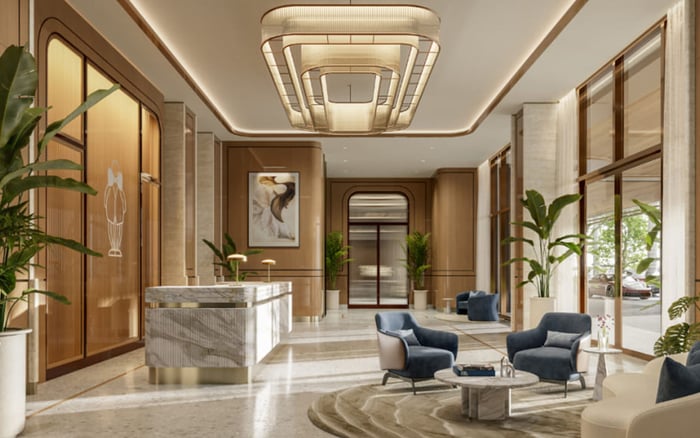
Mr. C Residences Boca Raton pairs private condominium ownership with a service-rich hospitality model. Buyers should examine how access rules, staffing, operating costs and intensive amenity use may shape daily life before committing.
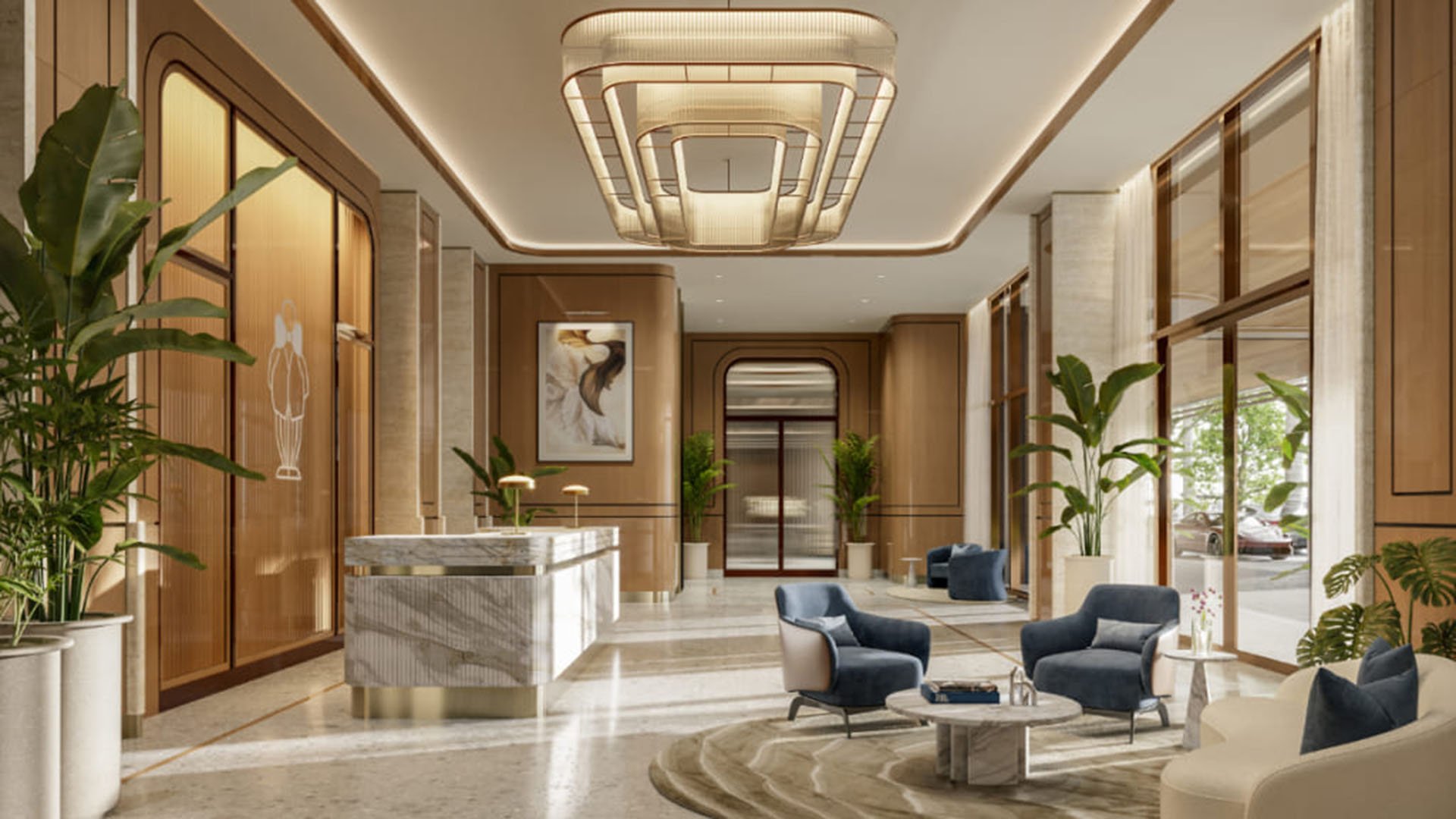
Planned for 41 SE 4th Street in downtown Boca Raton, Mr. C Residences Boca Raton is a 12-story, 133-residence Cipriani-branded condominium composed of two- and three-bedroom homes. It is not presented as a conventional hotel with transient guest rooms. Instead, its hotel character comes from an extensive shared amenity program and a service platform that includes concierge, valet, optional housekeeping, poolside service and in-residence dining.
That distinction matters. A private residence can feel exceptionally effortless when staff, dining and recreation are coordinated under a single hospitality identity. Yet the same structure can introduce more service movement, reservation protocols and common-area activity than buyers might expect from a lightly staffed condominium. The relevant question is not whether the experience is luxurious, but how that experience will be governed, funded and protected over time.
In a hospitality-led condominium, privacy depends as much on operations as architecture.
Privacy begins with the residence plan, but extends into loading areas, elevators, corridors and staff procedures. At Mr. C, concierge, valet, housekeeping and dining teams may create routine interaction between residents and personnel. Buyers should establish how staff enter residences, whether advance authorization is required, how service visits are logged and what confidentiality standards apply.
Back-of-house circulation deserves equal attention. Ask whether restaurant deliveries, housekeeping carts and resident arrivals use separate routes. Confirm whether service personnel share passenger elevators, and determine how in-residence dining travels from preparation areas to private floors. A discreet arrival sequence can be compromised when restaurant patrons, private-event guests or vendors overlap with residents at entrances, parking areas or elevator banks.
Bellini Restaurant is planned at ground level, while Mr. C Bar & Lounge is designated residents-only. Those labels should be tested against the governing documents. Buyers should ask whether Bellini may welcome outside patrons or private events and whether those uses can affect resident parking, access control or circulation. Likewise, “residents-only” should be defined for owners, tenants, family members, houseguests and domestic staff.
This scrutiny is increasingly relevant across South Florida branded residences. Buyers comparing The Residences at Mandarin Oriental Boca Raton should evaluate operational separation and access rights with the same precision, rather than assuming that a recognized hospitality identity resolves every privacy question.
The proposed program is broad: a rooftop resort pool with cabanas, outdoor dining and an open-air cinema; a 75-foot lap pool; fitness, yoga and spa spaces; padel and pickleball courts; a golf simulator; a residents’ lounge; a playroom; and EV charging. Rooftop plans also include grilling areas and a residents-only bar and lounge.
A long amenity inventory is appealing, but capacity-limited spaces operate through rules. Courts, cabanas, spa appointments and the simulator may require reservations. Buyers should obtain written policies covering booking windows, holiday and peak-period priority, cancellation charges, guest limits, event blackouts and no-show penalties. They should also ask whether owners have priority over tenants, whether family members may book independently and whether unused slots can be released to guests.
Availability can change without any physical alteration to the building. A sought-after cabana is less valuable when advance windows are short or holiday access is restricted. A private court may feel less private when guest permissions are expansive. Sales language establishes the vision; the declaration and amenity rules establish enforceable use.
For a useful local contrast, Alina Residences Boca Raton belongs in a buyer’s comparison set, but each property’s rules, staffing and reservation mechanics should be reviewed on their own terms. This distinction is central to informed buyer’s guides for pre-construction ownership, where operational practices may still be taking shape.
Mr. C’s amenity mix contains numerous systems and finished environments exposed to frequent use. Two pools, spa equipment, fitness machines, courts, food-service areas, cabanas and furnished lounges can require cleaning, repairs and eventual replacement. Salt air, sun, water and food service may place different demands on finishes, fabrics and mechanical components.
Prospective purchasers should inspect the proposed reserve schedules and operating budget for pool finishes, spa systems, fitness equipment, cabanas, lounge furniture and other shared assets. They should ask how replacement cycles were established, which costs fall within routine operations and which are expected to be funded from reserves. The hospitality-management agreement may also clarify responsibilities not evident from an amenity brochure.
Bellini operations, rooftop pool and cinema maintenance, spa and fitness staffing, courts, concierge, valet and general upkeep may all carry operating costs. The official budget should determine the actual allocations. Buyers should also distinguish between costs borne collectively and services billed directly to the resident.
Ownership does not necessarily make every hospitality service complimentary. Select services are offered à la carte, and some amenities and services may cost extra. Housekeeping, in-residence dining and certain wellness offerings therefore require two separate questions: Do I have access, and what will I pay when I use it?
Request a current fee schedule and ask how charges may be revised. Clarify gratuities, service charges, delivery fees, minimum spends and cancellation costs where applicable, without assuming that any particular charge exists unless it appears in the controlling materials. The objective is to model a realistic annual lifestyle budget based on actual usage, not merely monthly common charges.
Buyers considering related hospitality-led concepts, such as Mr. C Residences West Palm Beach or Cipriani Residences Brickell, should draw the same distinction between brand promise, base ownership rights and optional consumption.
The essential diligence package includes the condominium declaration, operating budget, reserve study, hospitality-management agreement and amenity rules. Read these documents together. One may establish an owner’s access right, another may authorize a usage charge, and a third may give management discretion over operating hours or reservations.
Also confirm lease minimums and tenant amenity rights. Even without conventional hotel inventory, rental policy can influence traffic and competition for shared facilities. Written answers should cover cabanas, courts, simulator sessions, spa bookings and dining reservations, particularly during holidays and private events.
The appeal of Mr. C lies precisely in its combination of residential ownership and polished service. For the right buyer, staff support, in-residence dining and a layered recreation program can make daily life notably easier. A sophisticated purchase decision values those benefits alongside their operational consequences: more personnel, more rules, more equipment and potentially more competition for finite spaces.
For private guidance on evaluating South Florida luxury residences, connect with MILLION.
If branded residences are on your mind — as a home or as an allocation — we would be glad to share what we are seeing, privately.
Begin a quiet conversationNo conventional hotel rooms are described. The 133-unit project consists of two- and three-bedroom condominium residences, with its hotel character expressed through services and amenities.
Buyers should review staff access, delivery routes, elevator sharing, back-of-house circulation and confidentiality procedures.
The available facts identify Bellini as a ground-floor hospitality venue but do not establish that it is residents-only. Buyers should confirm outside-patron and private-event policies in writing.
It is described as residents-only, but buyers should verify how the governing rules define residents, tenants, family members and guests.
Not necessarily. Project terms state that some amenities and services cost extra, while select hospitality services are offered à la carte.
Capacity-limited facilities may include cabanas, courts, the golf simulator, spa services and dining. Buyers should obtain the applicable booking rules.
Pools, spa systems, fitness equipment, courts, dining areas and furnished lounges introduce more surfaces and equipment requiring upkeep and replacement.
Purchasers should review the operating budget, reserve study, condominium declaration and hospitality-management agreement alongside the amenity rules.
Yes. Lease minimums and tenant privileges can influence building traffic and demand for shared facilities even without conventional hotel inventory.
Hotel-style staffing and programming can deliver exceptional convenience, but they may also bring more service traffic, operating rules, costs and shared-space wear.