Before purchasing at Edgeworth, buyers who entertain should seek written answers on residence ventilation, catering permissions, vendor access, and elevator scheduling. Private residential elevators and planned amenities do not, by themselves, establish the operating rules for a seamless dinner at home.
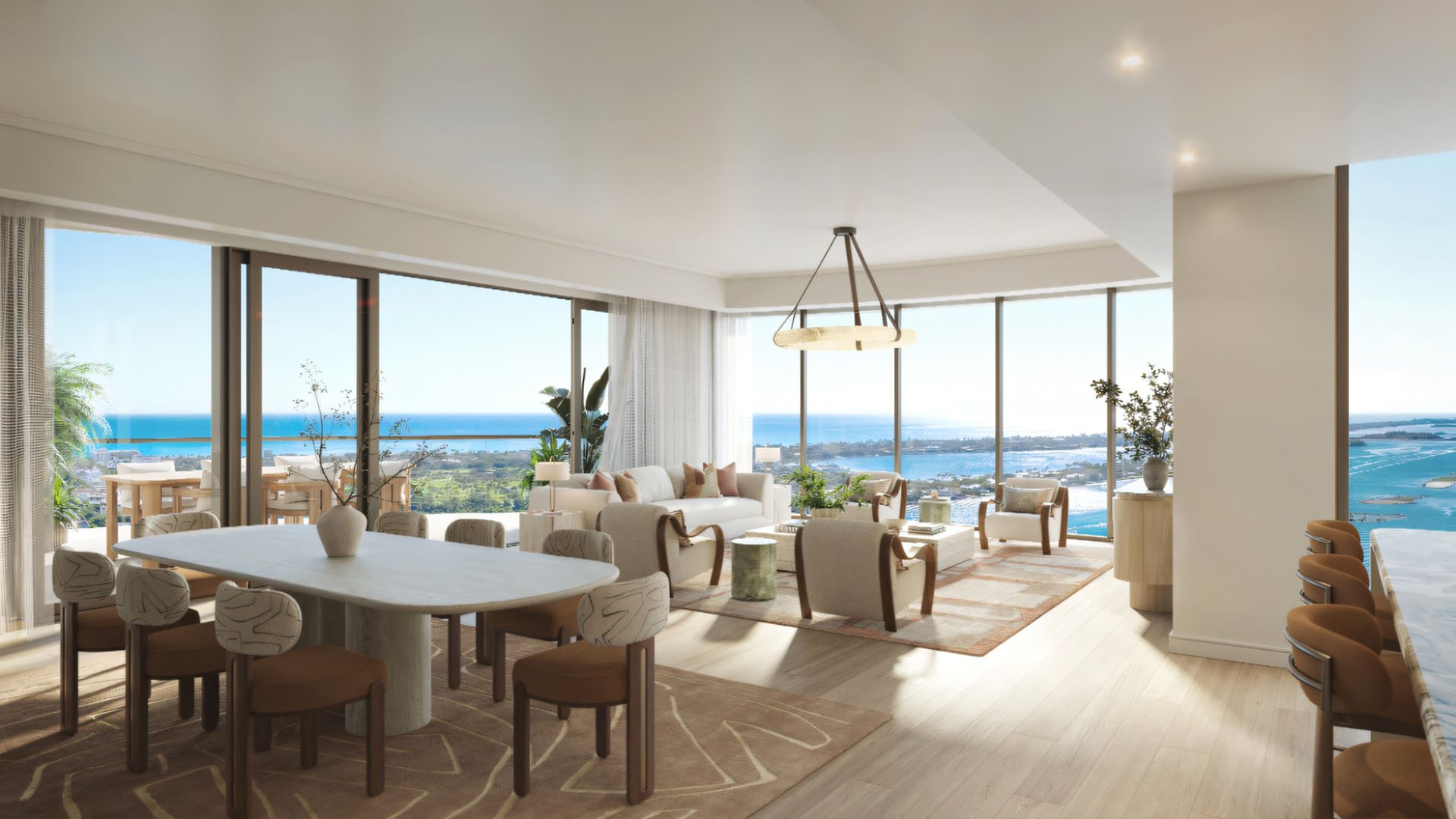
An elegant dinner at home depends on more than a beautiful dining room. For a buyer who employs a private chef or hosts catered evenings, the decisive details lie behind the architecture: ventilation, delivery routes, preparation permissions, and the schedule for bringing equipment upstairs.
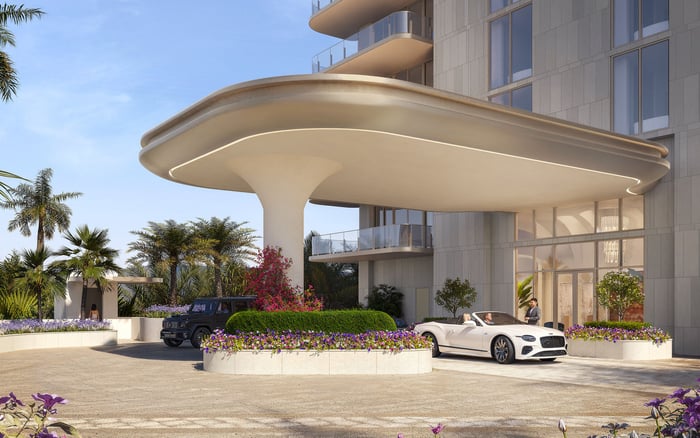
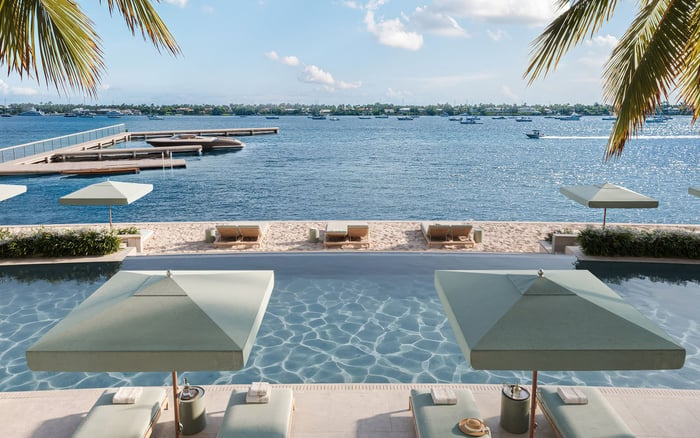
At Edgeworth West Palm Beach, those details deserve attention before purchase. The planned waterfront condominium at 1155 South Flagler Drive is being developed by Related Ross. Plans call for two curved, 28-story towers designed by Kohn Pedersen Fox, with private residential elevators and an extensive amenity program.
The distinction is straightforward: a private residential elevator does not establish a separate service-elevator system. Nor does a proposed catering kitchen establish permission for a personal chef to prepare meals there for delivery to an individual residence. Neither uncertainty proves that the desired arrangement is unavailable. Both call for written answers.
Start by confirming which documents govern the residence and building you are purchasing. Confirm the current residence count and amenity area in the offering documents. Buyers should resolve any discrepancies between sales materials and those documents rather than select the figures they prefer.
Residence features and amenities are subject to change, including manufacturers, brands, amenities, services, and the design team. For entertaining-focused buyers, the useful question is not simply what is illustrated, but what is specified-and how the purchase documents address changes.
Request a residence-specific kitchen equipment schedule and mechanical information. Have the proposed chef review both with the buyer's design or mechanical adviser. A conversation grounded in an actual cooking routine is more useful than a general assurance that the kitchen is suitable for entertaining.
Buyers should confirm residence-specific hood exhaust capacity, makeup-air provisions, filtration standards, and permission for supplemental cooking equipment. These are due-diligence questions, not established shortcomings.
Ask whether the hood exhausts directly outside or recirculates filtered air. Request its specified capacity, the associated makeup-air arrangement, and any limits on cooking methods or equipment. Confirm which filters are required, who maintains them, and whether a proposed alteration would require approval.
Give the reviewer a realistic brief: frequent sautéing, occasional searing, multiple courses, or extended preparation by a chef. Ask whether the specified system and building rules accommodate that routine. Do not assume an appliance brand answers the ventilation question.
For buyers also considering Alba West Palm Beach, the same residence-level questions provide a disciplined comparison without assuming equivalent kitchens or operating permissions. Compare written specifications, not the atmosphere of a presentation.
Finally, ask about cooking-related fire-safety rules and portable equipment. Confirm permission to install or use supplemental appliances before a chef designs a menu around them.
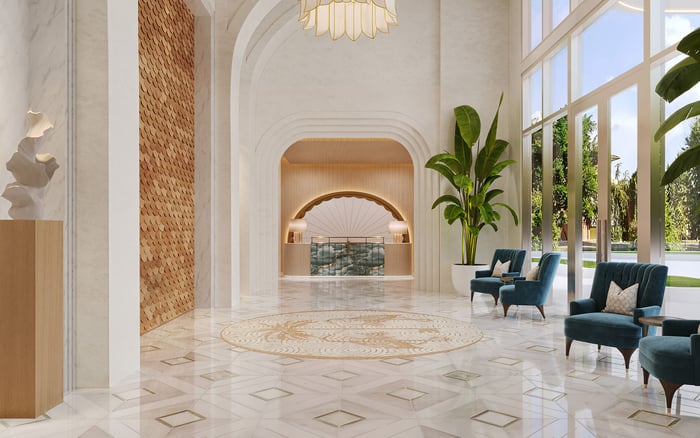
Proposed entertaining amenities at Edgeworth include a private dining room, wine room, catering kitchen, resident restaurant, club lounge, and outdoor dining terraces. These spaces do not, by themselves, establish booking rights or guarantee a particular service model.
Ask which spaces owners may reserve exclusively and which remain shared. Request guest limits, notice periods, cancellation terms, staffing requirements, and cleaning charges. Confirm whether outside caterers are permitted, whether approved vendors are mandatory, and whether food prepared in the catering kitchen may be served inside a residence.
The operational distinction matters. A shared dining room may suit one occasion; a dinner in the residence requires a different preparation and delivery route. Ask about alcohol service, entertainment restrictions, guest access, and valet arrangements for each setting rather than treating all entertaining as one category.
When comparing Edgeworth with Forté on Flagler West Palm Beach, apply the same questions to each property's current documents. An amenity name alone is not a reliable measure of hosting flexibility.
Edgeworth's plans include private residential elevators. Buyers should separately confirm any service-elevator arrangement, shared service traffic, and vendor-delivery separation. Request service-elevator dimensions, capacities, operating hours, reservation procedures, and loading-dock protocols rather than assuming the residential elevator description answers those questions.
Request a route plan from vehicle arrival to the residence, including any loading area, staging space, corridors, elevator, and entry. Ask for door openings, usable elevator dimensions, weight limits, and restrictions on carts or protective coverings. The question is whether the intended equipment can travel the entire route, not merely fit inside a lift.
Scheduling deserves equal attention. Who books access, how far ahead, and for how long? What happens when catering setup overlaps with a resident move-in or another delivery? Ask about priority rules, access fees, truck restrictions, and procedures for delayed vendors.
A discreet arrival also requires clarity about where vendors wait and whether they share resident circulation. Seek a written explanation rather than assuming private elevator access resolves every service movement.
Concierge and lifestyle programming are part of Edgeworth's proposed offering, but buyers should separately confirm responsibility for vendor registration, event approvals, and loading coordination. Identify the person or team responsible for each task.
Request chef and caterer registration requirements, including any insurance, licensing, and workers' compensation obligations. Ask where preparation supplies may be staged and how grease, packaging, and food waste must be removed. Confirm whether staff departure and cleanup must occur within the same access window as setup.
Refrigerated deliveries warrant their own questions. Can perishables be accepted when the owner is absent? Where are they held, who controls temperature, and who bears responsibility for spoilage? Understand these procedures before recurring chef service begins.
For buyers weighing Mr. C Residences West Palm Beach alongside Edgeworth, use the same responsibility checklist. A service description is most useful when it identifies what staff actually coordinate and what remains the owner's obligation.
Before applicable diligence or cancellation deadlines, have the purchaser's attorney review current offering documents, condominium rules, architectural guidelines, and service-access procedures. Ask counsel to distinguish contractual provisions from proposed policies and informal assurances.
Give the sales team a sample event plan covering vendor arrival, refrigerated delivery, cooking, guest access, service, and cleanup. Request written answers for every step that depends on building permission or staff coordination.
The objective is not unrestricted entertaining. It is a home whose documented systems and rules support the way you intend to live, with fewer operational surprises after purchase.
For a considered approach to South Florida residential purchases, explore MILLION.
If branded residences are on your mind — as a home or as an allocation — we would be glad to share what we are seeing, privately.
Begin a quiet conversationEdgeworth is a planned waterfront condominium at 1155 South Flagler Drive in West Palm Beach.
Related Ross is the developer. Plans call for two curved, 28-story towers designed by Kohn Pedersen Fox.
Plans include private residential elevators, but that does not establish a separate service-elevator system. Buyers should request written clarification of vendor and delivery routes.
Request the exact residence's hood specification, exhaust capacity, direct-exhaust or recirculating configuration, makeup-air provisions, and filtration requirements. Also confirm equipment restrictions and cooking-related fire-safety rules.
A proposed catering kitchen does not establish permission to use it for meals served inside residences. Obtain written confirmation of permitted uses.
Proposed amenities include a private dining room, wine room, catering kitchen, resident restaurant, club lounge, and outdoor dining terraces. These plans do not establish reservation rights or event permissions.
Ask about booking windows, operating hours, dimensions, weight limits, fees, and priority when event setup overlaps with move-ins. Confirm the procedure for late arrivals and equipment removal.
Ask whether unattended perishables can be accepted, where they are held, how temperature is controlled, and who is responsible for spoilage.
Confirm current figures in the offering documents. Resolve any discrepancies between sales materials and those documents before relying on a particular figure.
Have the purchaser's attorney review current offering documents, condominium rules, architectural guidelines, and service-access procedures before applicable diligence or cancellation deadlines.