Before buying at Alana Bay Harbor Islands, connect each intended use of the residence to the governing documents. A condo FAQ can flag important restrictions, but leasing, guests, pets, outdoor living and home-business plans deserve a closer review.

A residence should accommodate more than a preferred furniture plan. It should support the way its owner expects to live: extended family visits, seasonal absences, a companion animal, perhaps a working day conducted from home. At Alana Bay Harbor Islands, those expectations belong in the document review as much as in the property tour.
A condominium’s frequently asked questions and answers can bring use restrictions into focus. The essential distinction is between an answer that summarizes a restriction and the governing provision that establishes it. Do not assume the FAQ itself creates a prohibition, grants an exception or fully describes an ownership right.
For a luxury buyer, the objective is not simply to identify restrictions. It is to determine whether the residence’s permitted uses align with the life the buyer intends to lead.
Treat marketing presentation and permission as separate matters. Review the condominium documents and applicable law with counsel to establish actual rights and obligations rather than relying on promotional descriptions.
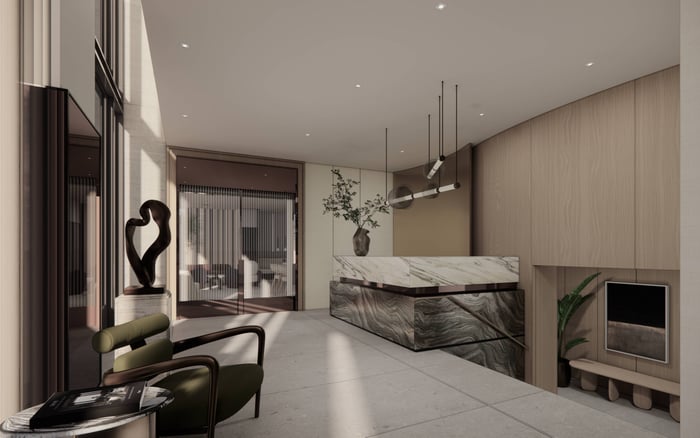
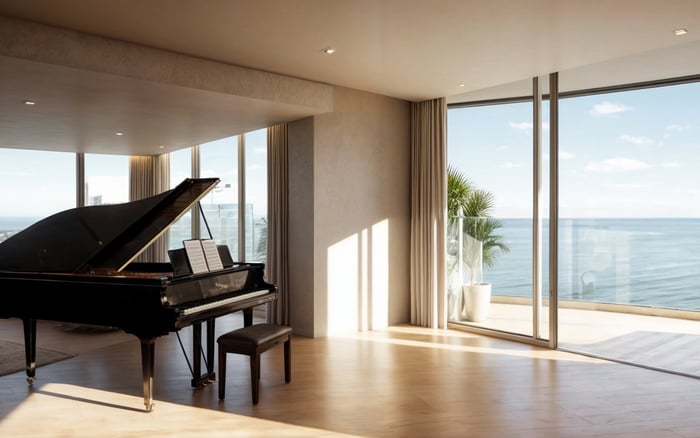
A room furnished as an office does not, by that illustration alone, establish permission for client appointments. Nor does a flexible layout resolve occupancy questions. Treat illustrated uses as ideas to verify, not confirmation that a particular activity is permitted.
Request the FAQ or Q&A sheet alongside the declaration, bylaws, amendments and current rules. Have counsel identify the provisions relevant to each intended use and assess how the documents work together. Where an answer is broad, ask for the precise clause rather than relying on a reassuring paraphrase.
A seasonal buyer may intend to leave the residence vacant, lend it to relatives or lease it during an extended absence. Each scenario deserves separate review during diligence. Permission for one should not be assumed to cover the others.
For any leasing plan, request written clarification of permitted lease duration, frequency, approval requirements and any waiting period. These are questions to resolve, not established Alana restrictions. Likewise, do not assume a residential zoning category answers the condominium’s leasing questions or establishes a townwide short-term-rental prohibition.
Occupancy deserves its own review. Establish who will live in the unit, whether anyone will reside there without the owner and how visiting family would be classified. A bedroom count or furniture arrangement cannot substitute for the relevant occupancy language.
If Bay Harbor Towers is also on the shortlist, test the same scenarios against its own documents. A useful comparison assesses suitability for the buyer’s plans without assuming neighboring properties share rules.
A buyer may picture adult children staying independently, grandchildren visiting during school holidays or friends joining for an afternoon. Document review should distinguish overnight guests, day visitors, occupants and tenants rather than placing everyone in a single guest category.
Ask whether owner presence matters, whether registration is required and whether any duration or frequency conditions apply. Then review amenity access separately. Permission to stay in a residence does not, by itself, establish permission to use every shared facility on identical terms.
For buyers who entertain, clarify visitor accompaniment, reservation arrangements and supervision requirements wherever relevant. These are diligence questions, not statements of Alana policy. The goal is to understand what a household can reliably plan, including when the owner is away.
“Pet-friendly” is not a sufficiently detailed answer for a household whose animal is part of everyday life. Ask for any provisions addressing number, size, registration, common-area conduct and access to shared facilities. Do not infer a particular Alana limit from another condominium’s policy.
Describe the actual household rather than asking an abstract question. Include visiting animals if family members regularly travel with them, and seek clarification wherever the language distinguishes owners, tenants and guests. Counsel should assess any legal exceptions relevant to the circumstances.
A buyer extending a search to Bal Harbour and Rivage Bal Harbour should repeat this review independently. A shared coastal setting does not establish a shared pet policy, and an appealing presentation cannot replace property-specific terms.
Private outdoor space invites personal expectations: dining, planting, lounging and entertaining. Before selecting furnishings, ask which provisions address outdoor furniture, cooking equipment, storage, visible installations and alterations. Confirm whether any contemplated changes require approval.
The distinction between illustrated and permitted uses is especially important here. An illustrated arrangement does not establish whether the buyer’s intended equipment, planting or installation is permitted. Equally, no particular balcony restriction should be attributed to Alana without the applicable provision.
Bring the same precision to practical arrangements inside the building. If bicycles, seasonal belongings, deliveries or a substantial move affect the purchase decision, request the relevant storage and move procedures. Do not assume a particular entitlement or elevator protocol. Small operational details deserve attention before they become recurring inconveniences.
Condominium permission and municipal requirements are separate questions. Buyers planning to conduct a home business, profession or occupation from a residential unit in Bay Harbor Islands should investigate the town’s requirements as well as the condominium documents.
Describe the proposed activity precisely: quiet desk work, employees attending the residence, client visits or deliveries may raise different questions. Seek a determination based on the actual plan rather than treating “working from home” as a complete description.
Confirm the property’s applicable zoning and any requirements relevant to the planned activity. Do not treat a zoning designation alone as confirmation of business or rental permissions.
Create a concise schedule of essential uses before completing diligence. For each, record the intended activity, the relevant FAQ answer, the underlying provision and any unresolved issue. Ask counsel to evaluate discrepancies, approval requirements and the significance of written clarifications. A general assurance should not replace analysis of the governing language.
Prioritize what could change the purchase decision: independent family stays, leasing flexibility, a particular pet or a business arrangement. Resolve those matters before treating decorative choices as the only remaining work. The most valuable conclusion is not that a condominium has few rules, but that its rules support the owner’s priorities with acceptable certainty.
For a considered approach to your South Florida residential search, explore MILLION.
If branded residences are on your mind — as a home or as an allocation — we would be glad to share what we are seeing, privately.
Begin a quiet conversationList plans for leasing, family stays, pets, balcony use and any home-based business. Prioritize the activities that could change the purchase decision.
Do not assume it does. Distinguish an answer summarizing a restriction from the governing provision that establishes it, and have counsel assess its legal significance.
Marketing descriptions should not replace review of the condominium documents and applicable law. Have counsel verify the provisions governing your intended uses.
Do not treat an illustration as confirmation of permission. Verify the intended activity against the applicable provisions, particularly for occupancy or client visits.
Request the applicable provisions addressing lease duration, frequency, approvals and any waiting period. Do not assume a particular Alana rental restriction or permission without reviewing those terms.
Clarify how the documents distinguish occupants, overnight guests and day visitors, including any conditions for stays without the owner. Review amenity access separately.
Ask about any provisions concerning animal number, size, registration and common-area access. No particular Alana pet limit should be inferred from another community’s rules.
No. Check the applicable outdoor-use and alteration provisions before purchasing equipment or planning installations; a floorplan illustration does not establish permission.
Buyers planning business activity should check municipal requirements alongside condominium provisions. Describe the proposed work precisely, including any client visits, employees or deliveries.
Request the declaration, bylaws, amendments and current rules. Ask counsel to connect each essential intended use to the relevant provisions and evaluate unresolved questions.