Bay Harbor Towers and Arte Surfside illustrate why an indoor lap pool deserves its own line in a luxury buyer brief. Beyond pool length and finishes, the meaningful comparison is how each aquatic program supports daily routines, outdoor leisure and practical access.

An outdoor pool can express everything a buyer wants from South Florida: open sky, water views and a generous setting for unhurried afternoons. An indoor lap pool answers a different question: can swimming become part of ordinary life rather than an activity reserved for the right afternoon? For a buyer who swims regularly, that distinction belongs at the beginning of the property brief, not at the end of an amenity tour.
Outdoor pools sell the setting; indoor lap pools protect the routine. That is a useful buying principle, not a promise of uninterrupted access. Operating rules, maintenance and safety closures still matter. Bay Harbor Towers and Arte Surfside make the distinction clear: each pairs an indoor swimming facility with a separate outdoor pool experience.
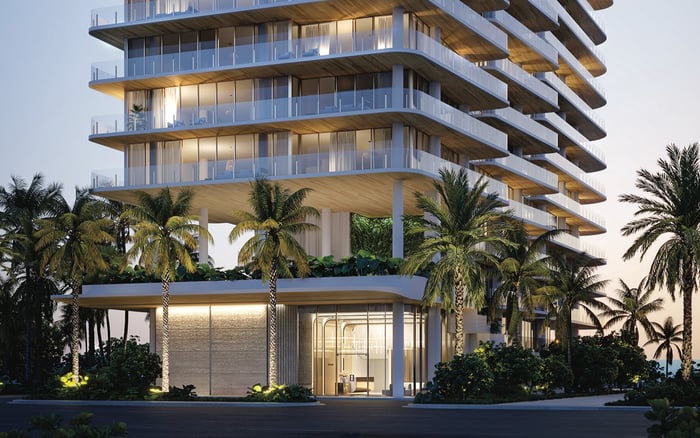
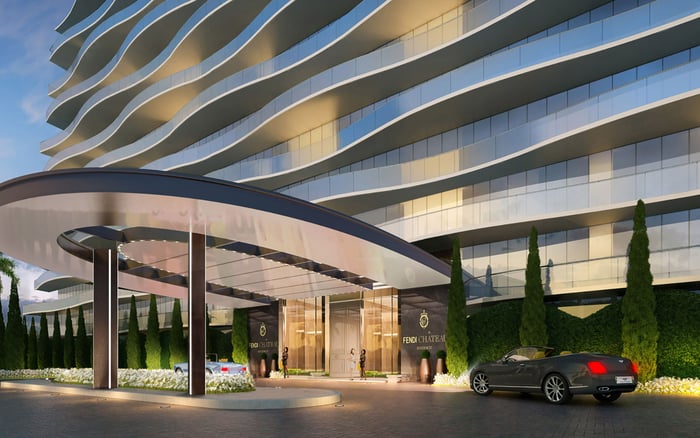
At Bay Harbor Towers, the advertised indoor swimming facility is a 50-foot heated saltwater lap pool. The waterfront condominium comprises 44 residences at 10141 East Bay Harbor Drive in Bay Harbor Islands. For a swimming-focused buyer, the important detail is not simply the presence of a pool, but the inclusion of a dedicated indoor lap pool.
The advertised outdoor counterpart is a 55-foot rooftop infinity-edge pool, accompanied by a jacuzzi, cabanas, chaise lounges, daybeds, towel service and outdoor kitchens. These are distinct settings for distinct purposes: one for a deliberate swim, the other for spending time outdoors. The design accommodates both exercise and leisure, though actual use remains subject to building operations.
The advertised wellness amenities also include hot and cold plunge pools, a sauna, steam room, massage facilities and a relaxation area. Together, they suggest a broader wellness routine rather than an isolated pool visit. Buyers should nevertheless confirm delivery and current operating status for every feature that materially influences their purchase decision.
At Arte Surfside, the indoor lap pool measures 75 feet and features travertine decking and onyx accents. The pool is described as heated. The material palette gives the room a distinct architectural character, but length is the more consequential detail for someone evaluating it as a place to swim rather than merely to admire.
Arte is a 12-story oceanfront development with 16 residences, completed in 2019. It also has an outdoor swimming pool, allowing buyers to evaluate indoor exercise and open-air recreation separately. That combination supports a year-round aquatic offering without implying that either facility is available at every hour or in every circumstance.
The wider amenity program includes a sauna, steam room and meditation pond, alongside a fitness center, yoga studio and rooftop tennis court. For a household with different exercise preferences, that breadth may matter. The more useful question is which facilities each person would actually use-and whether their operating arrangements fit the household’s schedule.
The direct comparison is straightforward: a 50-foot indoor lap pool and 44 residences at Bay Harbor Towers, versus a 75-foot indoor lap pool and 16 residences at Arte. Those figures describe scale. They do not establish lane availability, swimmer demand, occupancy patterns or how often residents bring guests.
A longer pool may appeal to a buyer who prefers fewer turns, but length alone does not define the swimming experience. Lane configuration, shared use and reservation policies remain separate questions. Likewise, a smaller residence count is not evidence that a pool will be empty at a preferred hour.
The right comparison is personal rather than abstract. Consider the intended session: a quiet early swim, a midday break or a weekend workout. Then ask whether the building can accommodate that pattern. A compelling amenity photograph cannot answer an operational question, and a residence-to-pool calculation cannot substitute for understanding the rules.
The two properties also frame water differently. Bay Harbor Towers’ broader waterfront offering includes direct water views and a private marina. Arte’s setting is oceanfront. These are meaningful lifestyle distinctions, but neither should obscure the indoor swimming requirement if it is central to the purchase.
Separate setting from routine in the buyer brief. Views, outdoor lounging and boating interests can occupy one category; swimming dimensions, access and operating conditions belong in another. This keeps an appealing waterfront presentation from standing in for answers about daily use.
If a broader Surfside search also includes Ocean House Surfside, carry the same indoor-swimming questions into that evaluation rather than assuming aquatic amenities are interchangeable. Assess each property on its own confirmed specifications and rules. The point is consistency in the search, not an unsupported equivalence between buildings.
Before assigning substantial weight to an indoor pool, request operating hours, guest-access rules and any reservation requirements. Confirm water temperature and lane configuration, including whether lap swimming shares space or time with other uses. These details determine how closely the facility fits the routine envisioned during a sales presentation.
Maintenance deserves equal attention. Ask about scheduled closures and applicable safety policies, including thunderstorm procedures. An indoor location should never be interpreted as guaranteed access during a storm. For Bay Harbor Towers in particular, distinguish advertised features from amenities whose delivery and current operation have been confirmed.
Review the related association costs as well. The objective is not to assume that a larger wellness program is better or worse, but to understand the financial obligations attached to the amenities being prioritized. A buyer who intends to swim frequently may evaluate that commitment differently from one who expects only occasional use.
A useful brief states the requirement plainly: an indoor lap pool suitable for the buyer’s intended routine, with dimensions and access conditions confirmed. Keep the outdoor pool as a separate preference, then assess adjoining spa and fitness facilities by likely use. This gives attractive amenities a practical role in the decision.
Bay Harbor Towers and Arte demonstrate two distinct versions of that proposition. Neither pool length nor residence count establishes a universal winner. The stronger choice is the one whose confirmed facilities, rules and ongoing obligations align with the way the household actually lives.
For a tailored South Florida property search built around your daily priorities, connect with MILLION.
If branded residences are on your mind — as a home or as an allocation — we would be glad to share what we are seeing, privately.
Begin a quiet conversationBay Harbor Towers advertises a 50-foot indoor heated saltwater lap pool. Buyers should confirm its current delivery and operating status.
Arte Surfside’s indoor lap pool measures 75 feet and features travertine decking and onyx accents. It is described as heated.
Yes. Bay Harbor Towers advertises a 55-foot rooftop infinity-edge pool, while Arte Surfside has an outdoor swimming pool.
Bay Harbor Towers comprises 44 residences, while Arte Surfside has 16. Those counts do not establish pool crowding or lane availability.
Bay Harbor Towers is at 10141 East Bay Harbor Drive in Bay Harbor Islands. Its waterfront offering includes direct water views and a private marina.
Its advertised wellness program includes hot and cold plunge pools, a sauna, steam room, massage facilities and a relaxation area.
Arte offers a sauna, steam room, meditation pond, fitness center, yoga studio and rooftop tennis court.
No. Buyers should confirm the building’s safety policies, closure procedures and operating rules rather than assume indoor swimming remains available.
Confirm operating hours, guest access, reservations, water temperature, lane configuration and maintenance schedules. Review related association costs as well.
No. Pool length should be evaluated alongside access rules, shared use and the buyer’s preferred swimming routine.