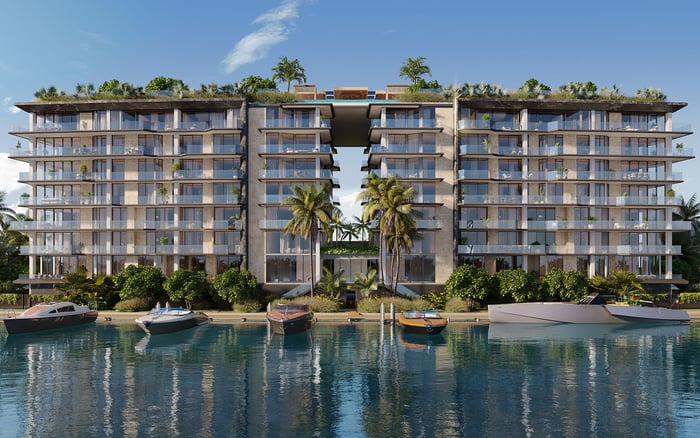
A disciplined Bay Harbor Islands purchase begins with a micro-market resale study, a complete carrying-cost model, view protection research, and legal review of the proposed trust or entity structure.

Bay Harbor Islands rewards property-specific analysis. Residences that appear similar can appeal to different future buyers because of their layouts, total prices, floors, views, condition, building finances, and monthly ownership costs. For a purchaser using a trust, LLC, or corporation, title planning should support the property decision rather than replace it.
The first task is to define the likely resale audience for the exact residence under consideration. A broad neighborhood average cannot explain whether buyers prefer that unit size, accept its carrying cost, or assign a premium to its view line. The analysis should therefore move from Bay Harbor Islands to the building, then to the unit line and closest substitutes.
The most useful comparable is not merely nearby; it is structurally similar.
Organize same-building transfers before considering broader neighborhood alternatives. When records permit, separate transactions by unit line, bedroom count, interior area, floor range, exposure, view condition, outdoor space, and renovation level. Record the original asking price, subsequent price changes, final sale price, price per square foot, market time, and contract timing.
Review the quality of each comparable rather than treating every recorded transfer equally. A residence with a different view, substantially different condition, unusual outdoor space, or a materially different carrying-cost profile may not be a reliable benchmark. Transactions that did not receive ordinary market exposure should also be identified before drawing conclusions.
The objective is not to produce a single precise resale forecast. It is to establish a defensible range and understand which characteristics expanded or narrowed demand. A useful worksheet should show how frequently close substitutes reached the market, whether they secured buyers without repeated reductions, and how their final pricing related to competing inventory.
Unit size affects utility, total purchase price, and ongoing expenses. A larger residence may offer an attractive price per square foot while requiring a higher overall commitment. A compact home may reach a wider price band but become less competitive if its layout or monthly cost compares poorly with alternatives.
Segment the resale set by both interior area and total price. Then ask how many relevant homes sold, how many listings expired or were withdrawn, how long comparable properties sought buyers, and whether accepted contracts followed material repricing. This approach helps distinguish genuine buyer depth from an isolated closing.
Newer boutique residences such as Alana Bay Harbor Islands and Origin Bay Harbor Islands may form part of the competitive set when their layouts, pricing, and ownership costs overlap with the subject residence. Their relevance should still be tested unit by unit rather than assumed from building age or design alone.
Floor and view should not be combined into a generic premium. Analyze elevation, orientation, privacy, width of exposure, balcony usability, neighboring rooflines, and the outlook from the principal living areas. A higher floor may improve openness but does not automatically create broader resale demand if the residence carries a significantly higher total price or monthly expense.
Review the surrounding parcels and available development records with qualified advisers before assigning permanence to an open view. The goal is to identify whether nearby conditions could change and to decide how much of the proposed purchase price depends on the current outlook.
Top-floor and penthouse residences require a separate comparison set because outdoor space, scale, privacy, and scarcity can make them poor benchmarks for conventional units. La Maré Bay Harbor Islands can be considered when evaluating the local luxury landscape, but any comparison should account for the specific residence rather than relying on a building-level label.
Build a monthly ownership model that separates financing payments, property taxes, association fees, insurance, utilities, and a contingency for assessments. Show both the absolute monthly figure and the amount relative to usable interior area. This makes it easier to compare homes that have different sizes, amenity programs, or fee structures.
Recurring charges and special assessments should remain separate in the analysis. Review the association budget, financial statements, reserve materials, insurance information, meeting minutes, pending assessment details, and notices about major work with the appropriate legal, insurance, inspection, and financial professionals. The purpose is to understand which costs are ongoing, which may be temporary, and which could affect a future buyer's willingness to proceed.
Waterfront positioning and amenities can support value only when the intended buyer recognizes their utility and accepts the associated expense. Onda Bay Harbor may be relevant to the local competitive review, but the final comparison should align floor plan, view, condition, total price, and carrying cost.
Stress-test the model without assuming a particular increase. Consider whether the ownership case remains coherent if insurance, association charges, financing expenses, or capital needs become less favorable. A residence that works only under the most optimistic cost scenario may face a narrower resale audience.
Due diligence should address both the physical residence and the association. Organize governing documents, budgets, financial materials, insurance information, reserve records, meeting minutes, litigation disclosures, assessment notices, and planned-work materials for professional review. Confirm which documents are current and note unanswered questions before contract deadlines expire.
Transaction readiness also affects liquidity. Identify any association approval process, transfer requirements, leasing restrictions, pet rules, renovation procedures, and other provisions that could influence the intended use or a future resale. These matters should be verified from the applicable documents rather than assumed from marketing materials or prior transactions.
A cash purchase does not establish whether title should be held personally, through a trust, or through an entity. Vesting is a legal and tax decision, while buyer-pool depth is a market question. Both belong in the acquisition review, but they require different evidence and professional advice.
Before choosing a purchaser, ask Florida legal and tax advisers to review privacy goals, estate planning, beneficial ownership obligations, financing requirements, insurance, association rules, tax treatment, and signing authority. Confirm the proposed name early enough for the contract, lender documents, association application, insurance, and closing package to remain consistent.
If a lender is involved, verify that the proposed structure works with underwriting and closing requirements. If a trust or entity will apply to the association, confirm the required records, authorized signatories, and timing directly from the governing materials and transaction professionals. Avoid changing the vesting plan late in the process without coordinated advice.
A disciplined review ends with a written conclusion, not a collection of documents. Summarize the closest resale comparables, likely buyer profile, price range, view and floor adjustments, monthly carrying cost, potential assessment exposure, governance concerns, and unresolved title questions. Distinguish verified information from assumptions that still require confirmation.
The strongest acquisition case is one that remains coherent after price, layout, floor, view, condition, building finances, monthly expense, and ownership structure are considered together. For discreet guidance on Bay Harbor Islands opportunities and acquisition strategy, connect with MILLION.
If branded residences are on your mind — as a home or as an allocation — we would be glad to share what we are seeing, privately.
Begin a quiet conversationBroad figures combine residences with different layouts, floors, views, conditions, and expense structures. Building-level and unit-specific comparisons are more useful for judging resale depth.
A three-to-five-year same-building review is a practical starting point. Same-line transactions should be isolated whenever records permit.
Track size, bedrooms, floor, exposure, view, condition, asking and sale prices, price per square foot, market time, and price changes.
No. Payment method and legal vesting are separate matters that require different analysis.
Include financing payments, monthly property taxes and insurance, association fees, utilities, and a contingency for assessments.
Recurring fees reflect ongoing costs, while assessments may relate to distinct capital needs. Separating them produces a clearer ownership and resale analysis.
Consider orientation, width of exposure, privacy, balcony usability, neighboring rooflines, and the possibility of changes on nearby parcels.
No. Elevation may support a premium, but layout, view quality, total price, outdoor space, and carrying cost also shape demand.
Review governing documents, budgets, financial statements, insurance information, reserve materials, meeting minutes, assessment notices, and planned-work records.
Florida legal and tax advisers should evaluate title structure, estate planning, tax treatment, insurance, financing, association requirements, and signing authority.