Bal Harbour and Fisher Island offer different planning profiles for buyers focused on wellness, concierge medicine, and aging in place. The comparison turns on transportation, household support, residence design, emergency procedures, and verified access to preferred care providers.

Bal Harbour and Fisher Island represent distinct approaches to privacy in South Florida. For buyers prioritizing wellness, concierge medicine, and aging in place, the meaningful differences extend beyond amenities to transportation, building operations, household support, and continuity planning.
Bal Harbour provides a road-connected base for coordinating appointments and daily services. Fisher Island offers controlled access and greater separation, making transportation procedures and backup arrangements more prominent parts of ownership planning.
The decisive luxury is not simply privacy, but dependable access when circumstances change.
This is less a contest between prestigious addresses than a choice between two operating models. Buyers should consider how easily each location can support present routines while adapting to changes in mobility, care requirements, staffing, and family involvement.
Bal Harbour buyers may value the ability to combine residential privacy with nearby wellness and medical options. Proximity alone, however, does not guarantee access. Spa privileges, appointment availability, accessibility accommodations, guest policies, and in-residence services should all be confirmed directly before they influence a purchase decision.
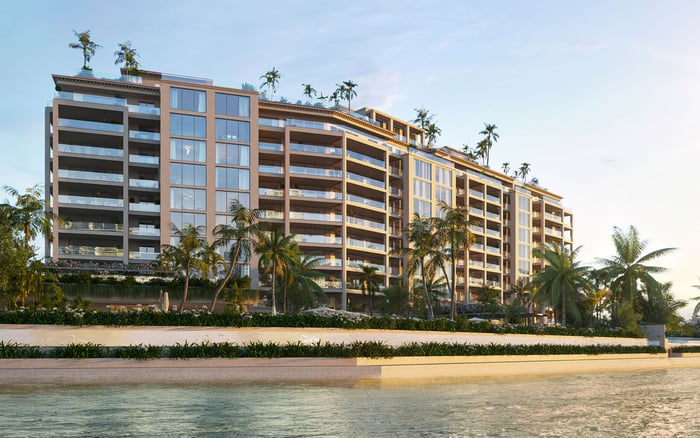
A residence such as Rivage Bal Harbour can be evaluated as part of a broader wellness plan rather than solely through its amenity program. Buyers should examine the route from the residence to fitness areas, treatment spaces, vehicles, and building exits, including how those routes function when mobility becomes more limited.
Wellness amenities can support everyday routines, but they are not substitutes for clinical care, rehabilitation, or emergency planning. A durable ownership strategy distinguishes lifestyle services from medical services and verifies how the two can work together.
Concierge medicine can be valuable when it provides clear communication, care coordination, and dependable coverage. Buyers should ask prospective physicians whether they serve the exact address, make house calls, coordinate specialists, and offer after-hours support. Hospital affiliations and geographic service limits also warrant direct confirmation.
Transportation is equally important. Bal Harbour's road connection can simplify the route between home, outpatient appointments, and hospital-based care, although traffic and weather still require contingency planning. Buyers should test likely travel routes at relevant times rather than relying only on a map.
The strongest plan identifies a primary physician, backup coverage, preferred pharmacies, nearby urgent-care options, and the hospital best suited to the owner's needs. Contact details and authorization documents should be available to household staff and designated family members where appropriate.
Fisher Island's controlled access is central to its appeal. For buyers who place discretion and separation first, that setting can be compelling. The same characteristic makes transfer planning more important for routine appointments, urgent consultations, caregiver arrivals, deliveries, and emergency response.
Residences such as The Residences at Six Fisher Island and The Links Estates at Fisher Island should therefore be reviewed within a wider operational framework. Buyers should verify current access procedures, transportation arrangements, severe-weather contingencies, and the process for admitting caregivers or private nurses.
An active owner with established household support may find these logistics manageable. A buyer planning for long-term residence should also consider how the system would function if appointments became more frequent, independent travel became difficult, or regular assistance became necessary.
Aging-in-place planning begins with circulation. Buyers should assess elevator access, thresholds, corridor widths, bathroom layouts, lighting, flooring transitions, and the path from the bedroom to the kitchen and primary exit. Potential alterations should be reviewed against current building rules rather than assumed to be permitted.
Household operations matter just as much. Consider whether a room could support a caregiver, whether service routes permit discreet arrivals, and how prescriptions, mobility equipment, groceries, and clinical supplies would reach the residence. Buyers should also ask how elevators, communications, and essential building systems operate during outages or weather events.
The review should include doors, hardware, controls, showers, storage, and places where a future handrail or mobility aid might be needed. The objective is not to redesign the home in advance, but to identify constraints before they become urgent.
Care arrangements can affect privacy as much as architecture. Buyers should understand registration requirements for household employees, nurses, therapists, drivers, and other regular visitors. Building rules may shape where staff enter, park, wait, receive deliveries, or accompany a resident.
Seasonal owners need an arrival protocol that covers property preparation, prescriptions, transportation, and communication with physicians or family advisers. Full-time residents may place greater weight on recurring appointments, rehabilitation access, and reliable backup coverage.
In either case, responsibilities should be documented. A clear plan identifies who contacts the physician, who accompanies the owner, who has access to medical information, and who can make decisions if the primary household manager is unavailable.
Start with the exact residence and work outward. Review interior circulation, elevator access, service routes, vehicle pickup points, building security, and emergency procedures. Then test how those systems connect to preferred physicians, pharmacies, wellness providers, and hospital care.
Medical arrangements require direct verification. Ask about response times, house calls, after-hours coverage, specialist coordination, and alternatives when the primary physician is unavailable. Confirm whether any stated service area includes the property under consideration.
Wellness access requires a separate review. Buyers should verify membership requirements, reservation priority, treatment availability, accessibility, cancellation terms, and any options for private or in-residence sessions. Marketing language should not replace written confirmation.
Finally, request current building procedures for emergencies, severe weather, caregiver entry, medical deliveries, and extended outages. A residence is better positioned for aging in place when the home, building, transportation plan, physician relationships, and family protocols operate as one system.
Bal Harbour may suit a buyer who prioritizes road-connected convenience and a simpler framework for coordinating daily services and off-site care. Fisher Island may suit a buyer who places controlled access and seclusion first and is prepared to maintain a more deliberate transportation and staffing plan.
Neither decision should rest on a single amenity or provider. The better fit depends on the owner's health priorities, travel habits, household structure, preferred physicians, tolerance for logistical complexity, and willingness to maintain backup arrangements.
The final choice should reflect not only how the owner lives today, but how gracefully the residence and its support systems can adapt over time. For discreet guidance on comparing South Florida residences through a long-term ownership lens, connect with MILLION.
If branded residences are on your mind — as a home or as an allocation — we would be glad to share what we are seeing, privately.
Begin a quiet conversationBal Harbour offers a road-connected setting, while Fisher Island requires buyers to account for its controlled-access transportation procedures. Actual routes and response plans should be verified for the residence.
Nearby amenities may support daily routines, but access can depend on membership, reservations, accessibility, and operating policies. Buyers should confirm those details directly.
Ask about response times, house calls, after-hours coverage, specialist coordination, hospital affiliations, and geographic service limits.
No. Membership requirements, guest privileges, booking priority, treatment availability, and in-residence options should be verified.
Its controlled-access setting makes transfer procedures relevant to appointments, caregiver arrivals, deliveries, and emergency planning.
It may, provided the owner verifies transportation, emergency procedures, caregiver access, household support, and backup arrangements.
Review elevator access, thresholds, bathroom layouts, lighting, flooring transitions, circulation routes, and the feasibility of future modifications.
Request current procedures for first-responder entry, outages, severe weather, elevator operations, communications, and medical deliveries.
A written arrival and support protocol can address property preparation, prescriptions, transportation, physician communication, and family contacts.
Bal Harbour may favor road-connected convenience, while Fisher Island may favor privacy and controlled access. The right choice depends on verified services and the buyer's tolerance for logistical complexity.