A buyer-focused due-diligence framework for evaluating arrival routes, shared spaces, access procedures, service circulation, and residence-owner privacy at two branded residential projects in Miami’s urban core.
For buyers comparing Aston Martin Residences Downtown Miami and Baccarat Residences Brickell, privacy is best examined as a sequence of movements rather than as a single design feature.
The phrase “hotel guest circulation” should be treated as a due-diligence lens, not as confirmation that either property operates as a hotel or follows a particular hospitality model. Buyers should verify how owners, personal guests, staff, vendors, deliveries, and event attendees would move through each building.
Begin with arrival. Ask whether owner, visitor, valet, delivery, and service routes intersect and how each person is admitted. Then examine vertical circulation: which elevators serve residences, amenities, parking, and service areas, and what authorization is required for each destination?
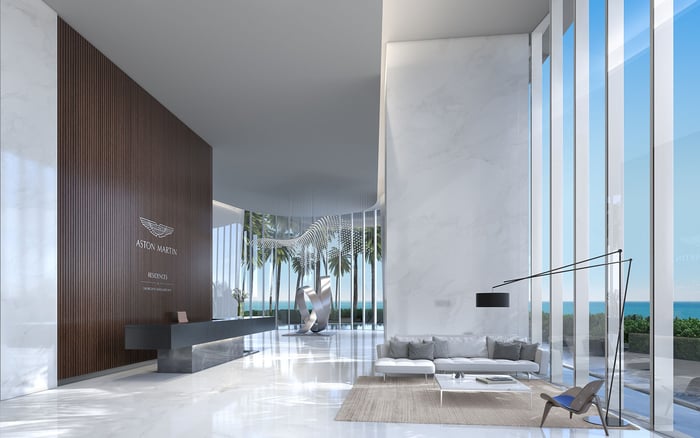
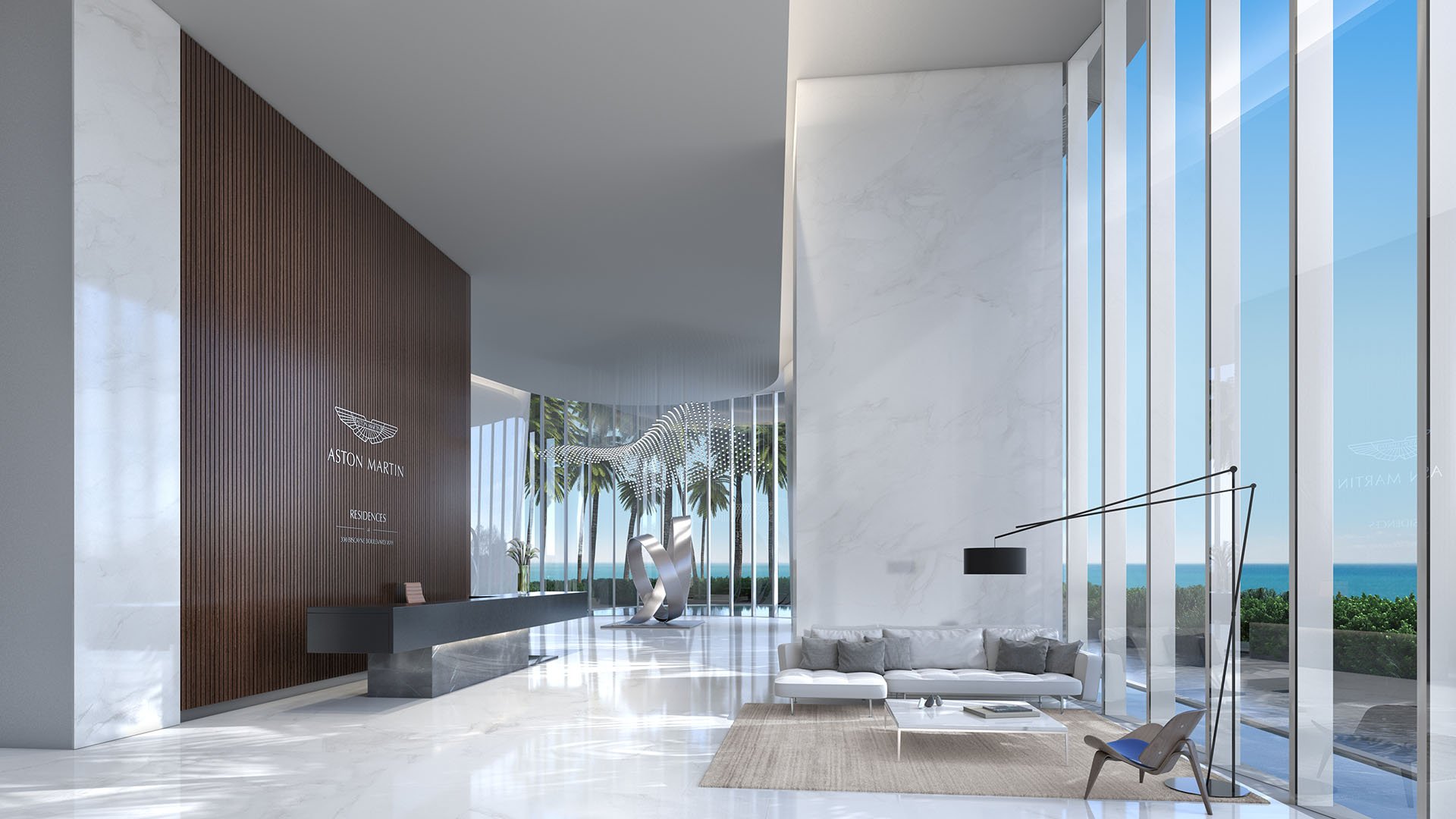
Public areas also require careful definition. A visually open lobby may still be controlled, while a resident amenity may permit guests under particular conditions. The useful questions are who may enter, how access is approved, whether an escort is required, and which rules apply after hours.
Service circulation deserves equal attention. Buyers can ask how household staff, couriers, contractors, and large deliveries enter, wait, use elevators, and reach a residence. Written procedures are more useful than assumptions based on renderings or brand positioning.
Use the same checklist for Aston Martin and Baccarat so that the comparison remains consistent. For each property, identify what current documents establish, what a project representative explains in writing, and what remains unconfirmed.
A useful review follows several hypothetical journeys: an owner arriving by car, a personal guest visiting in the evening, household staff reporting for work, a courier making a delivery, and a vendor accessing an amenity area. Any unanswered step becomes a focused follow-up question.
Buyers should avoid treating a separate entrance, private lobby, branded service concept, or amenity location as proof of complete circulation separation. Each feature must be considered alongside access technology, staffing procedures, guest permissions, parking operations, and service routes.
The same method can help buyers place the two projects in a broader Miami context. When considering The Residences at 1428 Brickell or Waldorf Astoria Residences Downtown Miami, apply an identical set of questions rather than assuming that brand identity determines privacy.
A consistent framework makes comparisons clearer. It separates observable design choices from operating practices and distinguishes written information from sales-language impressions.
Ask for the current documents available for review and seek written clarification of guest registration, temporary credentials, elevator permissions, parking access, valet handling, deliveries, service entry, amenity guests, events, and any shared spaces. Buyers should also ask which policies may be managed operationally and where the controlling terms are recorded.
During a visit, trace the likely routes from arrival to residence, parking to lobby, loading area to service elevator, and residence to amenities. Note every point at which owner and non-owner traffic could meet, then request clarification rather than drawing a conclusion from appearance alone.
The strongest comparison is not the one with the most confident marketing language. It is the one that clearly labels each point as documented, observed, explained in writing, or still pending verification.
Does this comparison confirm that either project operates as a hotel? No. Hotel guest circulation is used here as a buyer’s review lens, not as confirmation of a hotel operation or component.
What should a buyer examine first? Start with the full arrival sequence for owners, visitors, staff, deliveries, and service providers.
Is a separate entrance enough to establish residence-owner privacy? No. Buyers should also verify elevator access, parking routes, service paths, guest permissions, and operating procedures.
Why do elevator permissions matter? They help clarify which users may reach residential floors, amenities, parking levels, and service areas.
How should public areas be evaluated? Ask who may enter each space, how entry is authorized, whether escorts are required, and whether after-hours rules differ.
What should buyers ask about personal guests? Request details on registration, temporary access, elevator authorization, amenity use, and evening entry procedures.
Why review delivery and vendor routes? These routes reveal where service activity may intersect with owner arrival, elevators, or residential corridors.
Can branding alone indicate a project’s privacy model? No. Brand positioning should be evaluated separately from documented access rules and operating practices.
How can buyers compare the projects consistently? Apply the same circulation checklist to both and classify every answer as documented, observed, provided in writing, or unconfirmed.
What is the central takeaway for privacy-focused buyers? Residence-owner privacy should be assessed as a complete system of design, access, staffing, and procedures rather than as one feature.
For a confidential assessment and a building-by-building shortlist, connect with MILLION.
If branded residences are on your mind — as a home or as an allocation — we would be glad to share what we are seeing, privately.
Begin a quiet conversation