A practical buyer’s guide for art collectors evaluating climate control, humidity stability, glazing, storage, and condo systems before purchasing a Miami luxury residence.
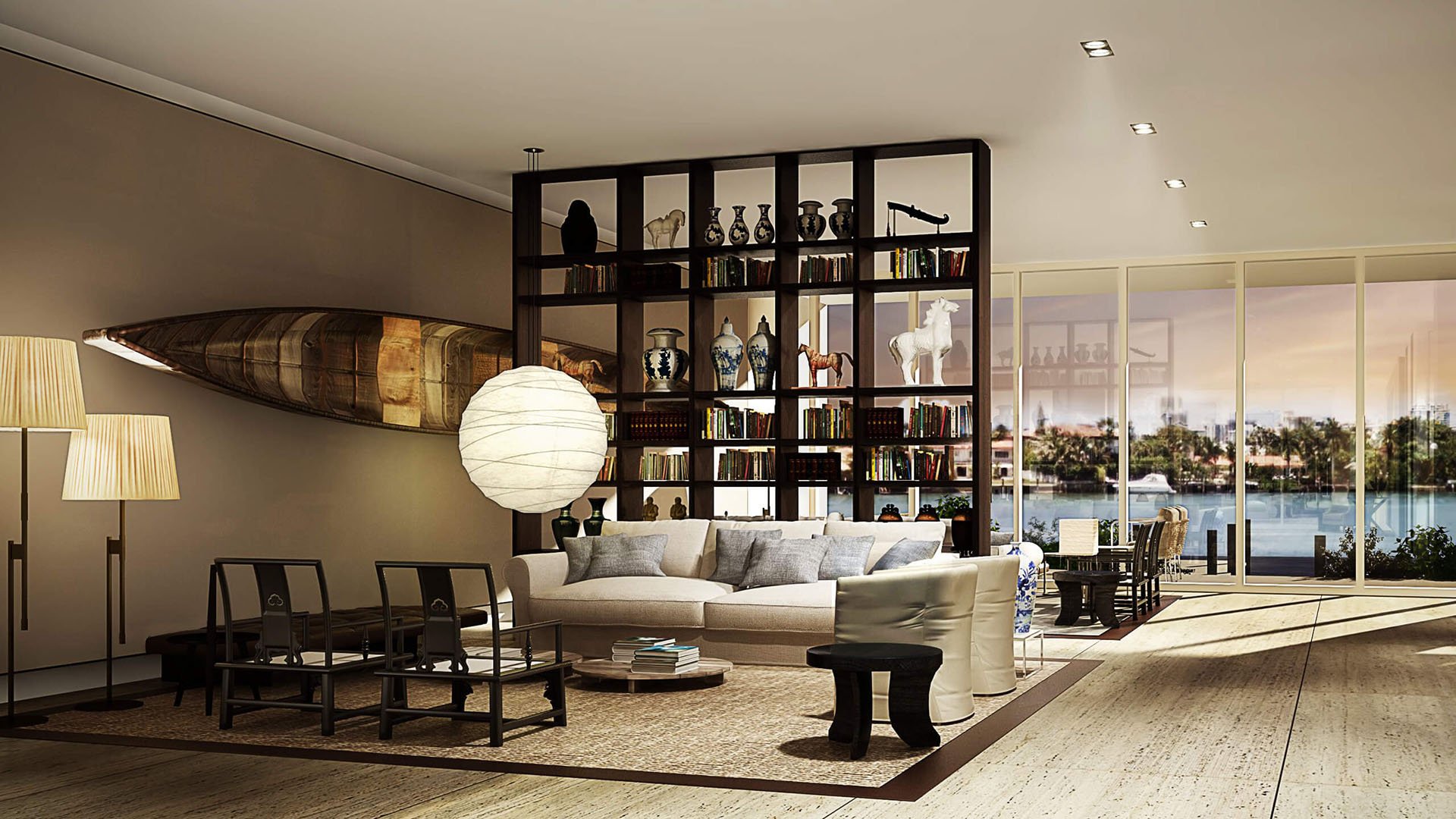
For the art collector, a Miami luxury condo is more than a residence. It is a private environment for objects that may be sensitive to heat, humidity, light, vibration, salt air, and the daily choreography of coastal living. A dramatic bay view, an oceanfront terrace, and a luminous great room may all be compelling, but each must be assessed through a collector’s lens: how will the home protect the work when the owner is away, when a storm is approaching, when contractors are inside, or when a new acquisition arrives?
The most sophisticated purchase conversations now begin before finishes and views. They begin with environmental stability. Not a generic assurance of air conditioning, but a careful review of how the residence manages comfort, humidity, air movement, filtration, shade, service access, and monitoring. For a collector, these questions are not excessive. They are prudent.
In Brickell, where glass, height, and skyline exposure shape daily life, buyers considering The Residences at 1428 Brickell or Baccarat Residences Brickell should treat environmental diligence as part of the offer strategy. The issue is not whether a residence feels cool during a tour. It is whether the home can remain consistent, serviceable, and well documented over years of ownership.
Art generally rewards consistency. Sudden swings in temperature or relative humidity can be more concerning than a single static reading, especially when works include canvas, wood, paper, textile, photography, mixed media, or design objects with delicate finishes. A buyer should therefore ask less about one target setting and more about system behavior: how quickly the residence changes after doors are opened, how different rooms perform at different times of day, and whether certain walls or corridors are more exposed than others.
The ideal condo for art is not necessarily the coldest or darkest. It is controlled, predictable, and adaptable. A primary gallery wall may require different thinking than a media room, bedroom, wine-adjacent entertaining area, or ocean-facing salon. The best residences allow collectors to live beautifully without forcing art into compromised placements.
During Art Basel season, many buyers are reminded that collecting is not static. Works arrive, rotate, travel, and sometimes require temporary staging. A residence should be judged not only by how it displays today’s collection, but by how gracefully it can accommodate the next acquisition.
Before contract, a collector should request a focused review of the building and residence systems. The goal is not to turn the purchase into an engineering seminar. It is to identify whether the apartment’s climate control is appropriate for high-value ownership.
Ask whether the residence has dedicated or well-zoned climate control, how thermostats and sensors are placed, whether humidity can be monitored, and how maintenance access is handled. Ask how filters are changed, whether service requires entry into art display areas, and whether equipment noise or airflow could affect placement. In a high-rise environment, even subtle drafts, return locations, or supply vents may influence where works should hang.
Buyers should also understand building protocols. How are service providers admitted? Can a conservator, framer, installer, or specialty climate technician access the residence efficiently? Is there a protected loading path for large works? Are elevators, corridors, and storage areas suitable for oversized pieces? These questions matter as much as wall dimensions.
In Miami Beach settings, where light and water define the mood, buyers looking at The Perigon Miami Beach should think carefully about sun exposure, shade strategy, and the relationship between terraces and interior display areas. Oceanfront living can be magnificent, but art placement should be intentional rather than improvised after closing.
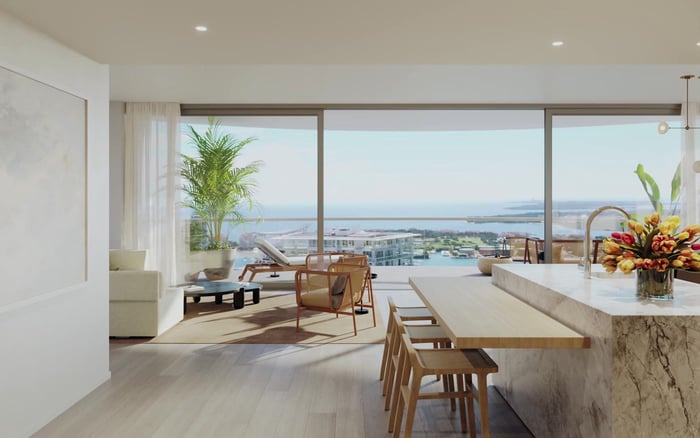
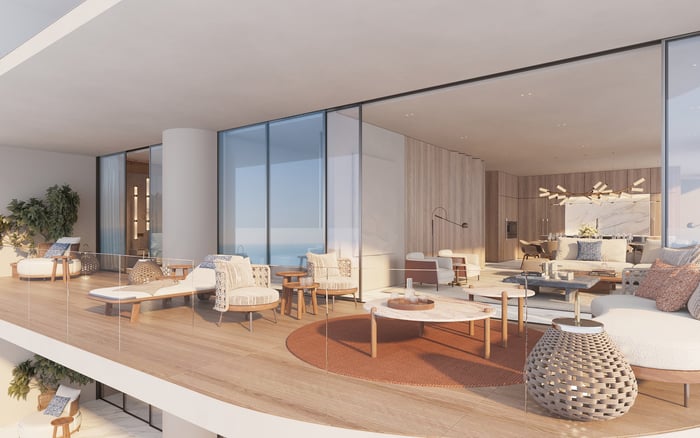
Miami’s most coveted residences often celebrate transparency. Expansive glass, sunrise and sunset views, and flowing indoor-outdoor rooms are part of the appeal. For collectors, that same transparency requires discipline. Light exposure should be mapped by room, wall, season, and daily use. A beautiful wall may be unsuitable for certain works if it receives direct light, heat gain, or frequent reflections.
The solution is not to reject glass. It is to plan around it. Window treatments, lighting design, art-safe placement, and professional installation can transform a residence into a gallery-like home without diminishing the architecture. Buyers should ask whether shades can be automated or programmed, whether lighting is dimmable and layered, and whether walls can support professional hanging systems where desired.
In Sunny Isles, where many residences are designed around wide coastal views, collectors evaluating St. Regis® Residences Sunny Isles should look beyond the panorama and study the practical conditions of each room. The best art wall may not be the most obvious wall. Often, it is the one with the quietest exposure, the cleanest circulation, and the most reliable environmental profile.
A collector’s condo should support the unseen parts of ownership. Where will crates be kept temporarily? Is there an interior room suitable for short-term staging? Can works be isolated from active kitchens, bathrooms, laundry areas, mechanical closets, or terrace doors? If a collection includes works on paper or delicate materials, storage and rotation planning may be just as important as display.
Absence planning is equally essential. Many South Florida owners travel frequently or use a residence seasonally. A climate strategy should account for periods when the home is unoccupied. Remote monitoring, trusted access protocols, routine inspections, and clear instructions for household staff can reduce risk. A collector should never rely solely on the assumption that a luxury building will notice a private environmental issue quickly enough.
For buyers drawn to quieter, greener settings, Four Seasons Residences Coconut Grove illustrates the kind of lifestyle context where indoor-outdoor living, shade, and privacy must be balanced with collection care. The same principle applies across South Florida: a residence should support the way the owner actually lives with art.
A general home inspection is not the same as art diligence. Serious collectors should consider bringing an art conservator, collection manager, specialty installer, or climate consultant into the process before closing. Their role is to evaluate the practical environment, not to critique taste. They can help identify which walls are suitable, which rooms may need monitoring, and which modifications should be completed before valuable works arrive.
This is also the moment to coordinate with designers and architects. Millwork, lighting, window treatments, security, and climate control should be planned together. A collector’s residence can feel warm, personal, and deeply livable while still meeting a high standard of care. The most successful homes do not look like storage vaults. They look effortless because the technical decisions were made early.
For a future buyer who also collects, a climate-conscious residence has a quieter kind of value. It suggests that the home was considered, maintained, and improved with discipline. Documentation can help: maintenance records, service contacts, shade specifications, lighting plans, and any monitoring history may all become part of a confident resale narrative.
This does not mean every luxury condo must be customized into a museum environment. It means owners of important objects should avoid casual assumptions. In South Florida, beauty and exposure often arrive together. The collector’s advantage comes from understanding that distinction before the purchase, not after the first installation.
Should art collectors prioritize climate control before views? They should evaluate both together. A spectacular view is more valuable when the interior environment can support the collection safely.
Is standard condo air conditioning enough for valuable art? It may be comfortable for people, but collectors should verify stability, zoning, humidity behavior, filtration, and monitoring options.
Should I ask for humidity data before buying? Yes, when available. If data is not available, consider professional monitoring during diligence or immediately after closing.
Are oceanfront condos risky for art collections? Not automatically. The key is careful review of exposure, terrace use, air movement, light, and maintenance practices.
Which rooms are best for displaying sensitive works? Interior walls with stable conditions, limited direct light, and minimal drafts are often preferred, subject to specialist review.
Do automated shades matter for collectors? They can be useful when paired with a thoughtful lighting and placement plan, especially in glass-forward residences.
Should I involve my art advisor before closing? Yes. Early input can prevent costly placement, lighting, storage, and installation problems later.
What should seasonal owners watch most carefully? Absence planning matters. Remote monitoring, trusted access, and scheduled inspections can help protect the residence and collection.
Can climate upgrades be completed after purchase? Often, but building rules, access, design work, and equipment limits should be understood before assuming upgrades are simple.
Does climate readiness influence resale value? For collector-buyers, it can strengthen confidence by showing that the residence has been maintained with disciplined care.
To compare the best-fit options with clarity, connect with MILLION.
If branded residences are on your mind — as a home or as an allocation — we would be glad to share what we are seeing, privately.
Begin a quiet conversation