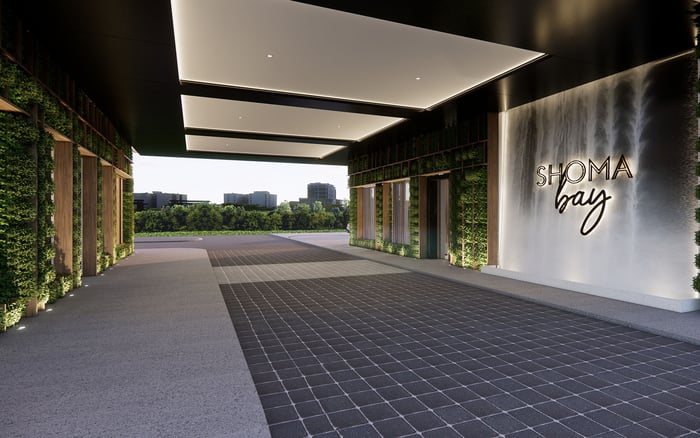
Art collectors considering Shoma Bay should evaluate the selected residence as a display and conservation environment. Key diligence includes daylight exposure, usable wall dimensions, mounting conditions, climate stability, secure access, storage, and art-handling logistics.
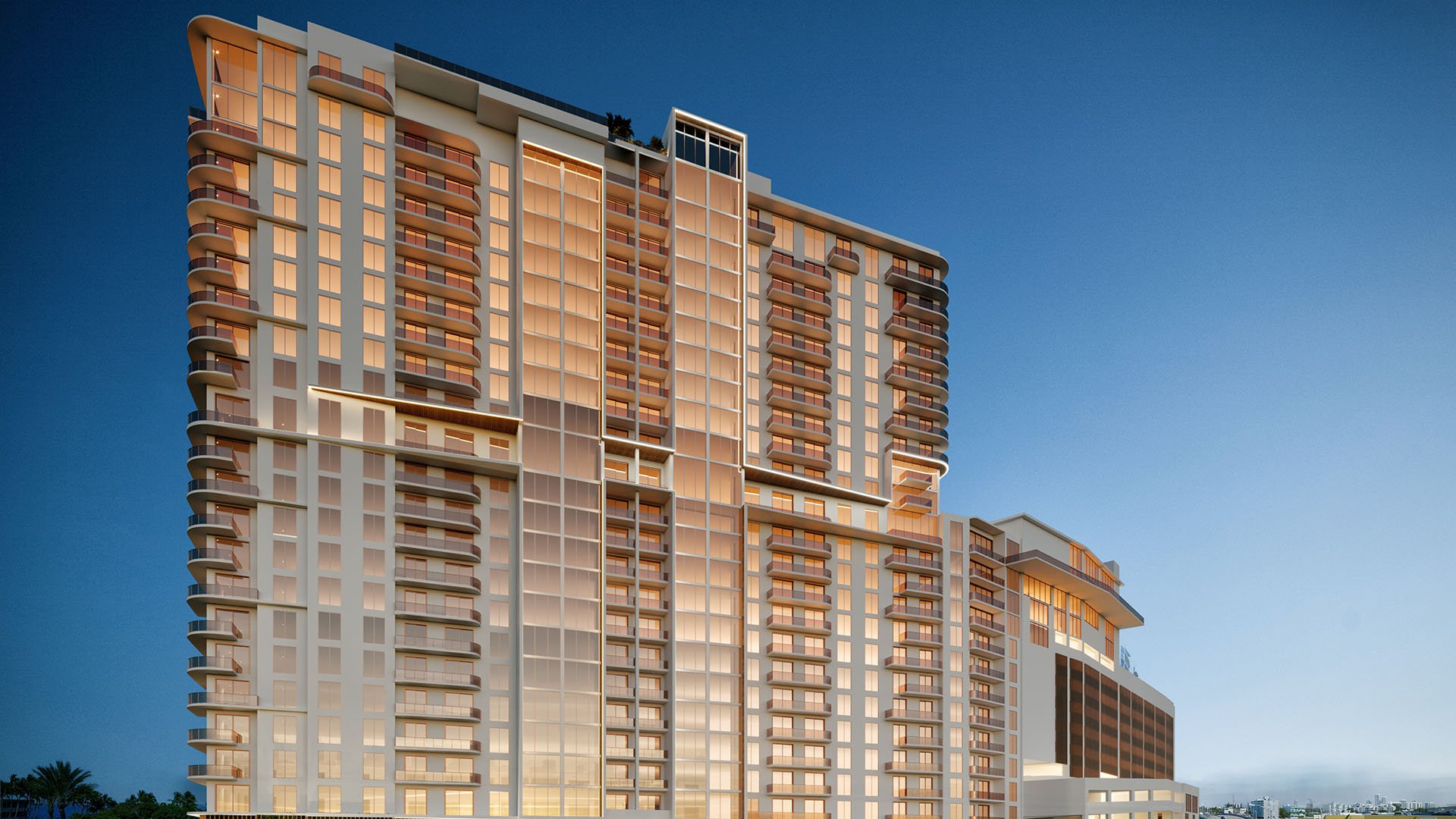
An art collector evaluating Shoma Bay North Bay Village should look beyond the overall floor plan and consider how the selected residence would function as a display, storage, and conservation environment. The review should address natural and artificial light, uninterrupted wall area, mounting support, temperature and humidity management, water risk, security, and handling logistics.
These questions are residence-specific. Written specifications, approved plans, association rules, and advice from qualified legal, engineering, lighting, insurance, security, and art-conservation professionals should guide any collection-critical decision.
Request glazing specifications and determine how seasonal sunlight could reach each proposed display surface. A unit-specific solar study can help identify periods of direct exposure and inform decisions about shades, films, lighting, and artwork placement.
Any proposed treatment should be checked against applicable alteration and appearance rules. Collectors should also ask how interior lighting can be adjusted without creating glare, excessive heat, or uneven illumination.
Room dimensions do not reveal how much continuous display area is available. Mark windows, doors, switches, controls, vents, wet walls, circulation paths, and furniture zones on the actual plan before assigning works to particular locations.
For every substantial installation, request documentation describing the wall assembly, permitted anchor types, reinforcement options, and applicable load limits. A qualified professional should review heavy, suspended, or unusually shaped works before installation.
Ask for written information about temperature control, humidity management, filtration, zoning, condensation, leak detection, and procedures during equipment failure or an extended absence. Monitoring equipment can provide useful alerts, but it does not replace a suitable mechanical environment or an emergency plan.
Storage should receive the same scrutiny as display areas. Confirm environmental conditions, access controls, monitoring, water exposure, and insurance implications before placing artwork or collection materials in any storage space.
A security review should follow the complete handling route rather than focus only on the residence entrance. Confirm vehicle access, unloading arrangements, staging, service corridors, elevator dimensions, reservation procedures, vendor supervision, camera coverage, and chain-of-custody expectations.
Art deliveries should have named contacts and documented procedures. Collectors should avoid assuming that ordinary package facilities or unattended holding areas are appropriate for valuable works.
Collectors building a North Bay Village comparison set may also review Continuum Club & Residences North Bay Village and Tula Residences North Bay Village. Apply the same residence-level questions to every option so that architectural appeal does not substitute for documented performance and workable handling procedures.
Before committing, assemble the relevant plans, specifications, rules, approvals, insurance requirements, delivery procedures, and professional assessments in one file. Annotate the selected floor plan with proposed artwork locations, dimensions, mounting methods, environmental concerns, and access routes.
This process can reveal whether a residence supports the collection as it exists today and whether future acquisitions could be accommodated without compromising safety, circulation, or conservation priorities.
Is the glazing confirmed to provide collection-grade UV protection? No such confirmation is provided here. Request the glazing specification and have a qualified adviser assess it for the works under consideration.
How should a collector evaluate sunlight in a specific residence? Commission a unit-specific seasonal light study and map potential exposure on every intended display surface.
Does a large room necessarily provide ample display space? No. Doors, glazing, controls, vents, circulation, and furniture can reduce the amount of continuous usable wall area.
What should be verified before mounting heavy artwork? Confirm the wall assembly, approved anchors, reinforcement options, and load limits, then obtain professional review when appropriate.
Can smart monitoring replace suitable climate control? No. Sensors can report conditions, but they do not create stable temperature or humidity or resolve equipment failures.
What climate information should a buyer request? Seek written details about temperature, humidity, filtration, zoning, condensation, leak detection, and interruption procedures.
How should art storage be assessed? Review environmental stability, water risk, monitoring, access control, handling procedures, and insurance requirements before use.
What matters most in an art-delivery route? Verify unloading, staging, corridor clearances, elevator dimensions, scheduling, supervision, camera coverage, and documented custody.
Should association rules be reviewed before planning shades or wall reinforcement? Yes. Confirm applicable approval and alteration requirements before relying on any modification as part of the collection plan.
Who should review collection-critical conditions before purchase? Depending on the collection, buyers may need legal, engineering, lighting, insurance, security, installation, and conservation advice.
To compare the best-fit options with clarity, connect with MILLION.
If branded residences are on your mind — as a home or as an allocation — we would be glad to share what we are seeing, privately.
Begin a quiet conversation