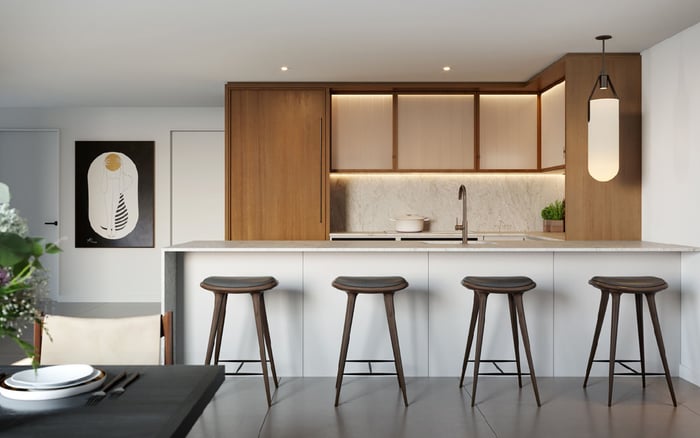
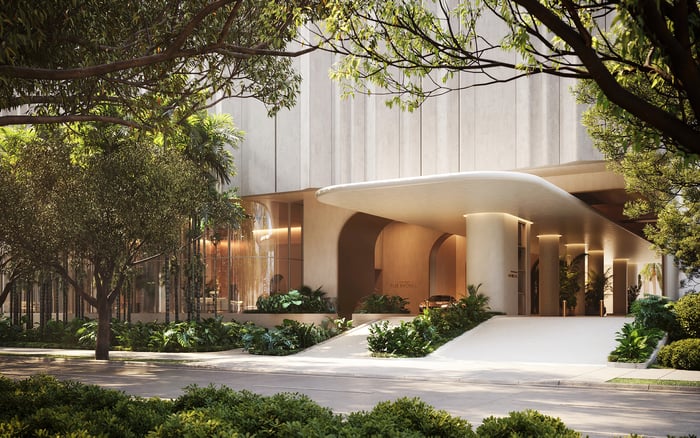
A collector-focused due diligence guide to evaluating light, display walls, security, and environmental stability before purchasing at House of Wellness Brickell.
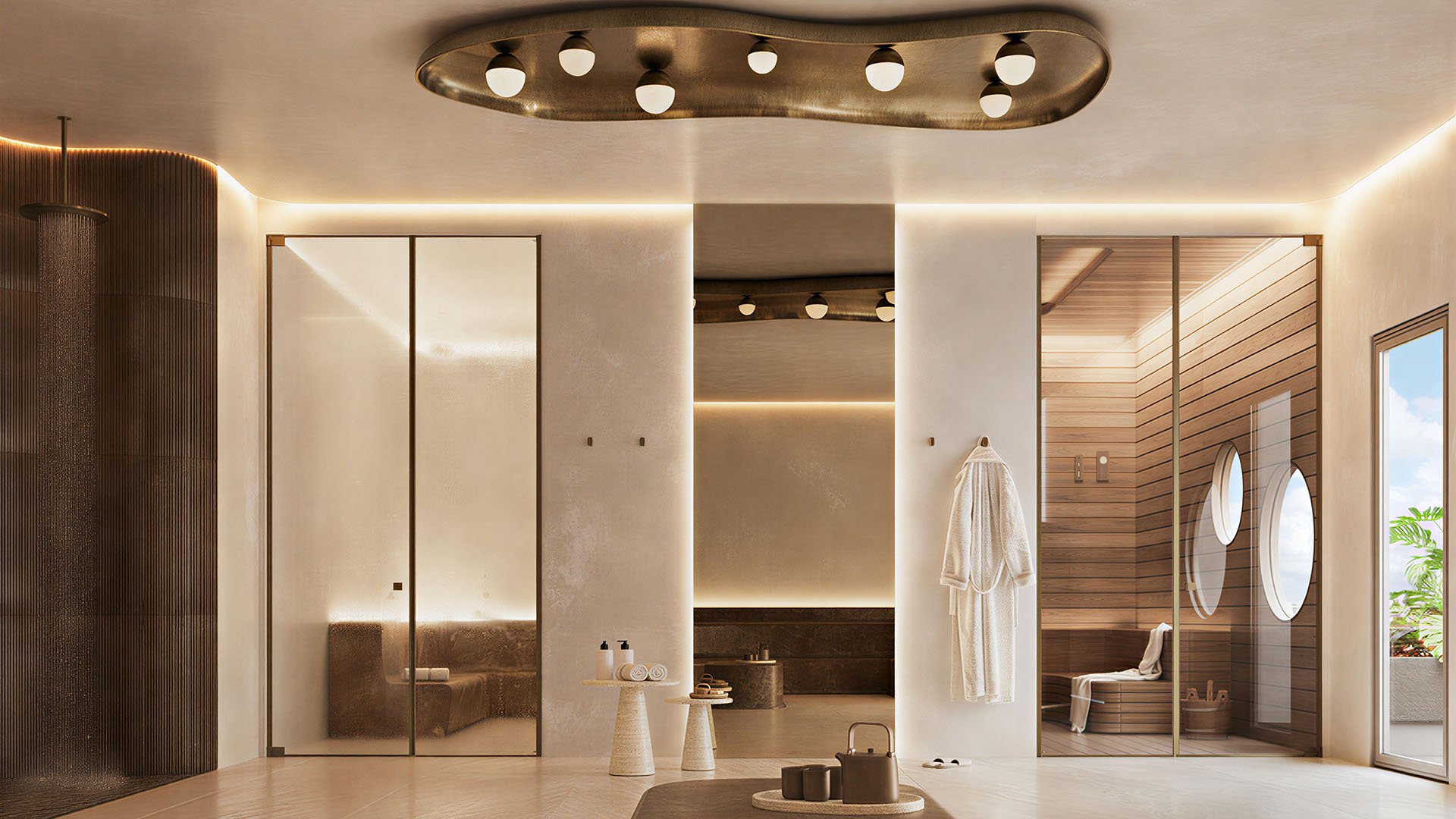
For an art collector, the central residential question is not simply whether a home is beautiful. It is whether the architecture can support the collection without compromising display, conservation, privacy, or daily life. At House of Wellness Brickell, that inquiry should begin before finishes, furniture, or views dominate the conversation.
Create an inventory of the works likely to occupy the residence, noting dimensions, medium, framing, weight, sensitivity, and preferred viewing distance. Separate pieces intended for permanent display from those requiring rotation. This exercise turns an emotional walkthrough into a disciplined, room-by-room assessment.
The guiding principle is simple: evaluate what can be verified within the specific residence. Marketing imagery cannot substitute for drawings, written specifications, technical review, or an inspection by the collector's own advisers.
Abundant daylight may be desirable for living, but a collector needs to understand precisely how it moves through each room. Request the orientation, window dimensions, glazing specifications, shading details, and any available information on ultraviolet transmission. When feasible, visit or study the residence at different times of day. Consider direct sun, light reflected from nearby surfaces, and seasonal shifts in exposure.
A lighting designer and conservator can translate those conditions into an art plan. Ask whether decorative fixtures, recessed lighting, wall washers, and controls can be adjusted independently. Dimming range, beam spread, color quality, heat near a work, and fixture placement all warrant review. If motorized shades are contemplated, confirm power, control integration, pocket dimensions, and maintenance access rather than assuming a seamless retrofit.
Published room dimensions do not reveal how much wall is genuinely usable. Doors, glazing, switches, thermostats, millwork, return grilles, speakers, sprinklers, and circulation paths can fragment an otherwise generous elevation. Obtain dimensioned plans, mark each uninterrupted wall segment, and test it against the scale of the collection.
Ask what lies behind the finish. Confirm the wall assembly, permissible loads, suitable fixing points, and whether backing can be added. Large or heavy works may require review by an architect, engineer, installer, or contractor. Examine ceiling height, sightlines, viewing distance, and glare from opposing windows as well.
The balcony should be treated as part of the light study, not presumed to be exhibition space. Review exposure, enclosure rules, mounting restrictions, and insurance terms before considering any work for an exterior setting.
Collector-grade due diligence goes beyond asking whether a residence has air conditioning. Request specifications for the proposed or installed system, along with the zoning plan, thermostat locations, filtration details, fresh-air strategy, and monitoring provisions. Determine whether rooms intended for art can be managed independently and whether the system maintains conditions as occupancy changes.
A qualified conservator and mechanical engineer should define suitable parameters for the specific media involved. Paintings, works on paper, textiles, photography, wood, and mixed-media pieces can have different tolerances. The essential question is whether conditions can remain stable, measurable, and serviceable within the residence itself.
Discuss sensors, alert thresholds, data retention, backup-power coverage, condensate protection, leak detection, and response procedures. An ultra-modern control interface is useful only if critical devices remain reliable, understandable, and maintainable. Review who receives an alert, who has authorized access, and what happens when the owner is away.
Security should protect the residence without making it feel institutional. Review access from the point of arrival to the private entry, including the handling of visitors, deliveries, service personnel, contractors, and art installers. Within the home, ask about door and window contacts, alarm zoning, camera permissions, communications backup, and discreet storage for smaller works or collection records.
Privacy matters as much as hardware. Establish protocols for photography, vendor access, guest information, installation schedules, and digital inventories. Confirm whether building rules affect cameras, deliveries, freight access, elevator reservations, or after-hours work. Insurance advisers may also require specific alarms, monitoring arrangements, valuations, or documentation.
High floors can alter installation logistics, but they should not be considered inherently more secure. Verify elevator dimensions, weight limits, loading access, protective procedures, turning radii, and the route from vehicle to wall for the largest work.
Comparative shopping is most revealing when every property is assessed through the same technical questions. A buyer considering Brickell alternatives might apply an identical collection audit at The Residences at 1428 Brickell, Baccarat Residences Brickell, and St. Regis® Residences Brickell.
The objective is not to rank design identities. It is to compare usable elevations, light management, mechanical zoning, installation paths, operational rules, and the cost of adapting each residence. Design and architecture should serve the collection as effectively as they serve the owner's routines.
Before contract milestones expire, coordinate the broker, real-estate attorney, insurance adviser, conservator, art installer, lighting designer, security consultant, and mechanical specialist as appropriate. Provide them with the collection profile and residence documents, then request written findings.
Prioritize conditions that cannot easily be changed, including orientation, glazing area, structural constraints, elevator geometry, and building rules. Distinguish them from solvable items such as controls, shades, localized backing, sensors, or lighting adjustments. The strongest purchase decision unites aesthetic instinct with technical discipline.
What should an art collector request before selecting a residence? Request dimensioned plans, relevant specifications, building rules, installation logistics, and access for independent professional review.
Is expansive glazing automatically unsuitable for art? No. Its suitability depends on exposure, glazing performance, shading, layout, and the sensitivity of individual works.
How can a buyer estimate usable wall space? Measure uninterrupted elevations, then subtract openings, controls, grilles, millwork, circulation clearances, and other conflicts.
Should ceiling height be evaluated separately from wall width? Yes. Height affects composition, installation access, viewing distance, lighting angles, and the scale a room can carry.
Who should review environmental conditions for a collection? A conservator should advise on the works, while a mechanical specialist evaluates the residence and its systems.
What climate-control records are worth requesting? Ask about monitoring capabilities, alert history if applicable, maintenance documentation, zoning, and available system specifications.
What security questions belong in buyer due diligence? Review access control, alarms, visitor protocols, delivery procedures, monitoring, privacy policies, and emergency-response responsibilities.
Why does the installation route matter? A work that fits a wall may not fit through loading areas, elevators, corridors, doors, or turning points.
Can a buyer rely on renderings for an art plan? Renderings are a visual reference, not a substitute for field measurements, specifications, approvals, and professional assessment.
When should collection planning begin? Begin during property evaluation, while technical constraints, adaptation costs, and contractual decisions can still be considered.
For a confidential assessment and a building-by-building shortlist, connect with MILLION.
If branded residences are on your mind — as a home or as an allocation — we would be glad to share what we are seeing, privately.
Begin a quiet conversation