A collector-focused due-diligence framework for evaluating light exposure, usable wall space, secure art handling, and climate-control capabilities at Delano Residences & Hotel Miami.
For an art collector, selecting a residence involves more than assessing aesthetics. Daylight, usable wall area, artwork circulation, access controls, and interior environmental performance should all be examined for the specific home under consideration.
At Delano Residences & Hotel Miami, buyers should request project documents and residence-specific specifications before deciding whether a particular layout can support their collection. No assumptions about conservation standards, art storage, freight handling, or climate-control performance should replace written confirmation.
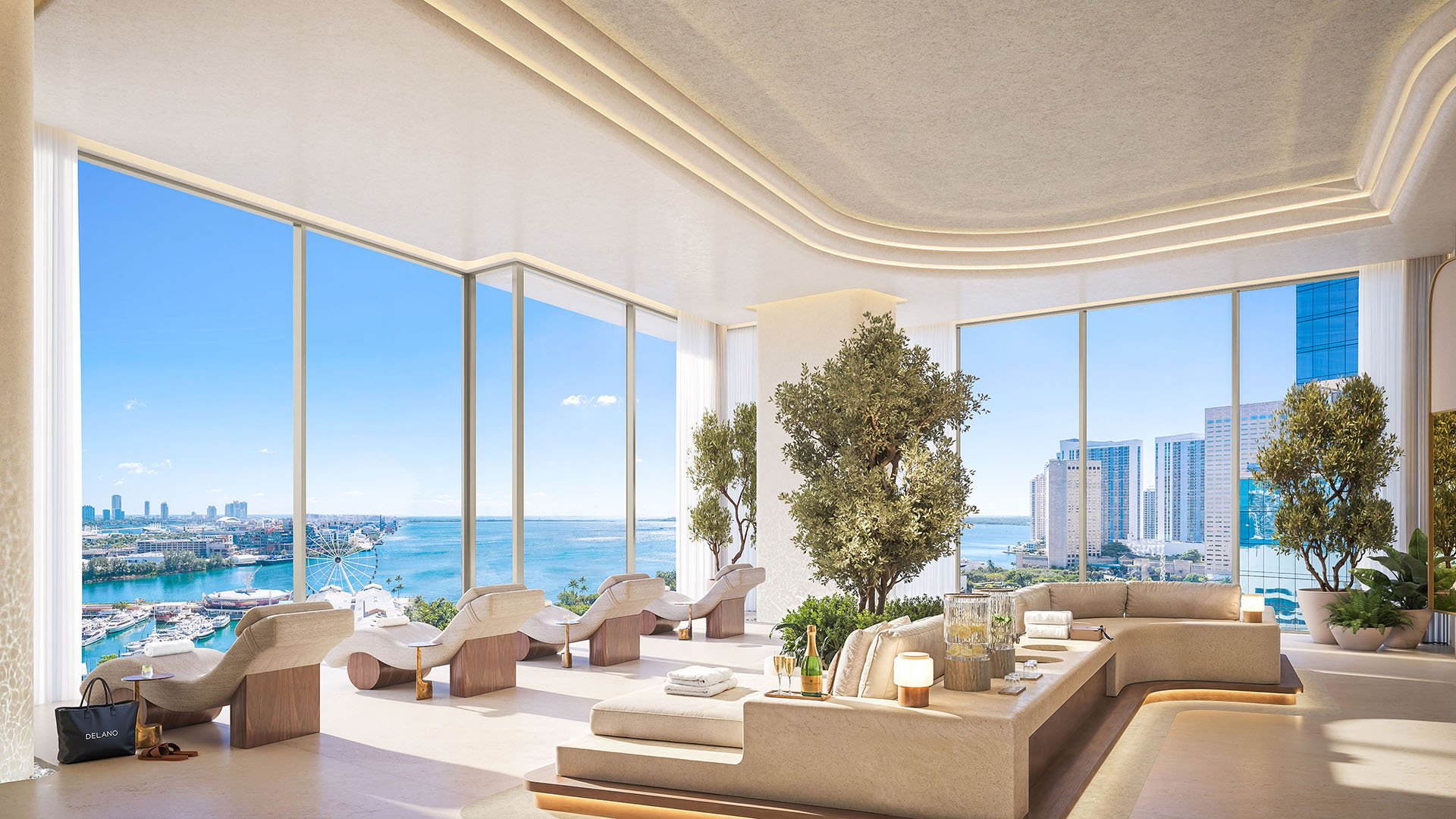
Begin with the selected residence’s orientation and glazing. Request available information about ultraviolet filtering, visible-light transmission, direct sun exposure, shading, and window treatments. A room-by-room daylight review can then inform where sensitive works might-or might not-be displayed.
The review should address seasonal conditions and each proposed installation position rather than relying on a general description of the residence. Collectors can also ask whether lighting and shade controls may be adapted without conflicting with building requirements.
The same diligence can guide comparisons with Waldorf Astoria Residences Downtown Miami. Each project and residence should be evaluated on its own documentation.
Request dimensioned plans and interior elevations for the exact residence. Doors, glazing, millwork, controls, vents, and other interruptions should be mapped before a hanging plan is finalized.
Collectors should identify the dimensions and anticipated placement of each work, then ask whether the relevant walls can accommodate the proposed installation. Any reinforcement, blocking, electrical work, lighting changes, or other alterations should be reviewed through the applicable approval process.
A similar room-by-room assessment can be used when considering The Residences at 1428 Brickell. The objective is not to compare projects through broad claims, but to test each specific residence against the collection’s requirements.
Security review should cover the full route from vehicle arrival to the residence. Ask for available loading, staging, freight-elevator, doorway, corridor, and service-access details. Crate dimensions and turning clearances should be checked against that route before delivery.
Buyers should also ask who may authorize deliveries, how temporary access is managed, whether delivery times are restricted, and which personnel or occupants may share service areas. If artwork must pause in a staging or storage location, request written information about access control and environmental conditions for that space.
Do not assume that dedicated art receiving, collector storage, private freight circulation, or specialized handling procedures are available. Each capability should be confirmed directly in the relevant project documents.
Request written information about temperature and relative-humidity control for the selected residence. The inquiry should address zoning, monitoring, alerts, maintenance access, equipment interruption, backup arrangements, and after-hours response.
Collectors should distinguish residential comfort from the conditions required by their specific works. A qualified art adviser, conservator, installer, or mechanical professional can review available specifications and identify whether supplementary measures merit consideration.
The final installation plan should coordinate climate needs with wall construction, lighting, shades, supply vents, return vents, and access for maintenance. Any proposed modification should be evaluated before installation.
Keep glazing information, measured elevations, alteration requirements, delivery-route details, access procedures, and climate-control responses with the acquisition records. Written project documentation is more useful than generalized assurances when planning for valuable or sensitive works.
The central question is whether the exact residence, as documented, can support the collection’s display, handling, security, and environmental needs. Unconfirmed features should remain open due-diligence items rather than purchase assumptions.
What light information should an art collector request? Ask for available glazing specifications, residence orientation, shading details, and information about direct and indirect daylight at proposed display locations.
Why are dimensioned elevations important? They help identify genuinely usable wall areas after accounting for doors, glazing, millwork, controls, vents, and other interruptions.
Should a floor plan be the only basis for a hanging plan? No. The plan should be checked against detailed measurements, interior elevations, lighting positions, and the physical requirements of each work.
What should be confirmed before reinforcing a wall? Ask about wall construction, intended loads, alteration procedures, and any approvals required for blocking, reinforcement, or electrical work.
How should artwork delivery be evaluated? Review the complete path from arrival through loading, staging, elevators, corridors, doorways, and entry into the residence.
What access-control questions should a collector ask? Ask who authorizes deliveries, how temporary credentials work, what areas are shared, and whether delivery schedules are restricted.
Should dedicated art storage be assumed? No. Its availability, security, access rules, and environmental conditions should be confirmed in writing.
What climate-control details matter? Request information about temperature, relative humidity, zoning, monitoring, alerts, maintenance, interruption response, and backup arrangements.
Who can review the residence’s technical information? Depending on the collection, an art adviser, conservator, installer, or mechanical professional may help assess the available documentation.
What records should remain in the acquisition file? Retain glazing data, measured plans, installation approvals, delivery procedures, access details, and written climate-control responses.
For a discreet conversation and a curated building-by-building shortlist, connect with MILLION.
If branded residences are on your mind — as a home or as an allocation — we would be glad to share what we are seeing, privately.
Begin a quiet conversation