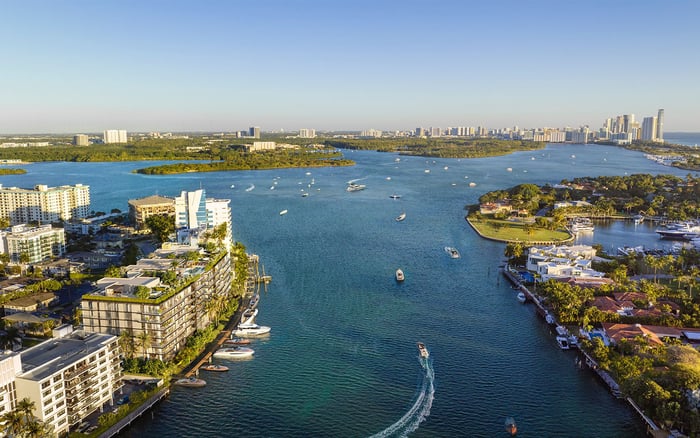
A buyer-focused framework for reviewing Mila Bay Harbor Islands’ fire-protection documentation, applicable smoke-control testing, elevator emergency procedures, and maintenance responsibilities before ownership.
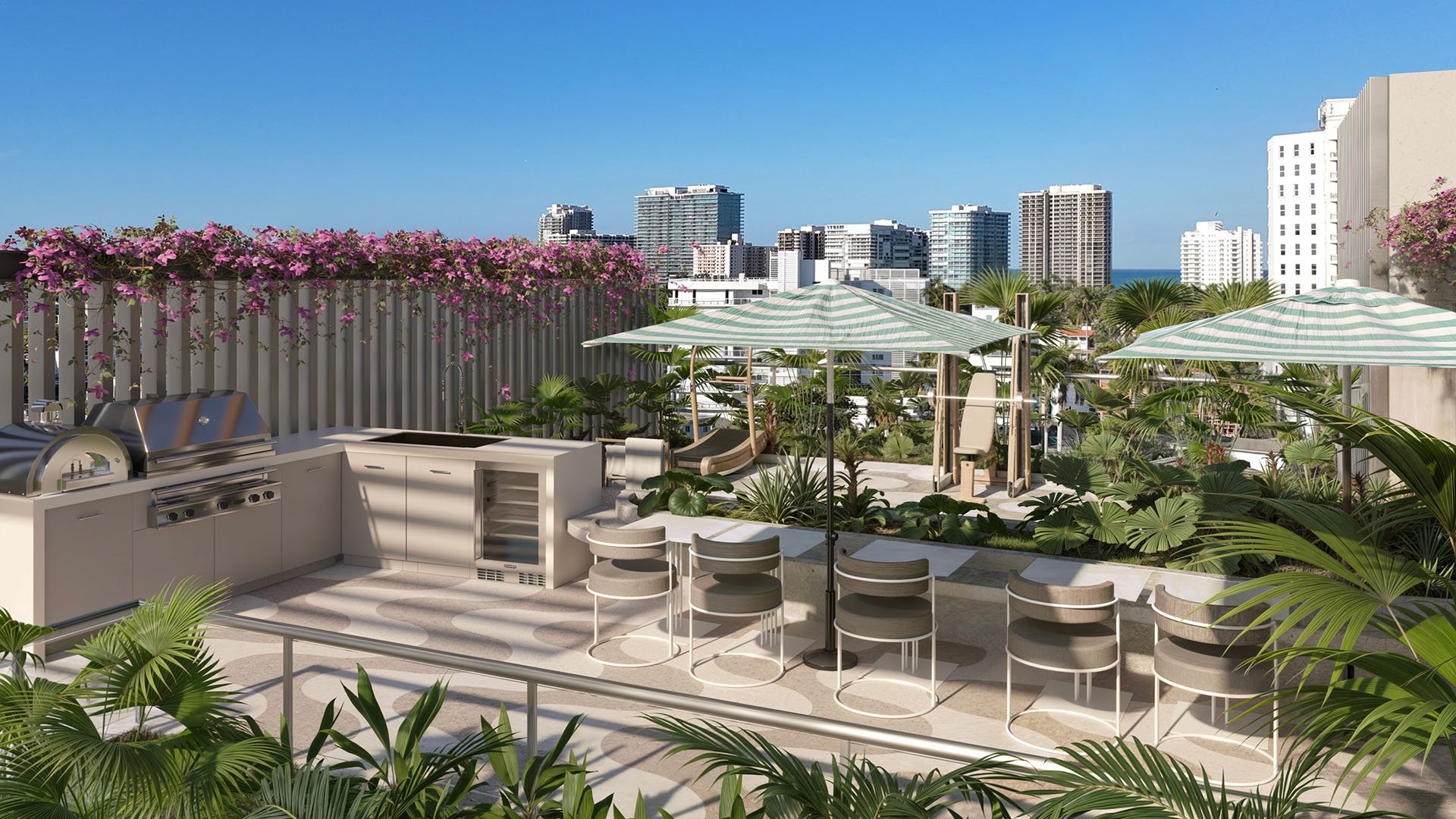
For buyers considering Mila Bay Harbor Islands, an ownership-readiness review should extend beyond architecture and interiors to the less visible responsibilities of ownership.
An ownership-readiness audit should distinguish architectural appeal from fire-protection commissioning status. The relevant questions concern approved systems, documented testing, emergency instructions, and responsibility after handover.
This is a due-diligence framework, not a finding of deficiencies at Mila. A request for records implies neither an impairment nor a failed test. Nor does a private arrival experience establish that the building’s emergency interfaces have been verified.
Begin by asking management or the development team to identify the governing code edition, approved occupancy and design, and authority having jurisdiction. These determine which requirements apply. Do not classify Mila as a code-defined high-rise or assume pressurized stairs, hoistway pressurization, or engineered smoke control from its architectural presentation.
Request the approved life-safety documentation and a system inventory that distinguishes installed equipment from systems not required by the approved design. For each applicable system, ask what acceptance evidence exists and who maintains it.
For buyers also considering Bay Harbor Towers, the same document-first approach applies, without suggesting that the properties share a configuration. Compare the clarity of the documentation, not assumptions about similar buildings. Guidance written for another municipality should not substitute for the requirements governing the property under review.
The first sprinkler question is not simply whether equipment is installed, but how any period of reduced or unavailable protection would be managed. Ask for a written impairment procedure addressing the affected system, responsible person, required notifications, compensatory measures, and restoration process.
The audit request should seek clear answers to four practical questions:
Who authorizes and records an out-of-service condition?
Who determines the notifications and temporary protective measures required locally?
How are affected occupants informed when notification is required?
What documentation confirms restoration and completion of any required checks?
Ask for any construction or punch-list impairment logs, associated notification correspondence, and restoration confirmations. The request does not presume that an impairment occurred. If none occurred, seek an explicit response rather than treating silence as confirmation.
Where records exist, review the sequence from initial notice through restoration. A scheduled return-to-service time does not confirm that protection was restored. Any unresolved entry warrants clarification from the responsible team, with technical interpretation left to the appropriate professional.
Request inspection and testing records, outstanding deficiency lists, and evidence of corrections. Ask a qualified professional to identify the applicable testing requirements. A broad assurance that maintenance is current should not replace those documents.
Review the sprinkler and fire-alarm interface separately. Ask for evidence that the relevant waterflow signals reach the panel and produce the responses specified in the approved design.
Do not assume that sprinkler waterflow automatically initiates every elevator or smoke-control function. Ask for design-specific interface documentation and corresponding test results. Distinguish completed corrections from proposed repairs: each open item should have an identified owner, a next step, and an explanation of any applicable interim measures.
Smoke-control review begins with a threshold question: what, if any, engineered smoke-control system does Mila’s approved design require? Architectural features do not answer it. Nor does a smoke-control arrangement described for a different building or jurisdiction.
Where applicable, request the smoke-control rational analysis and approved control sequences. These should establish the intended fans, dampers, activation logic, and pressure relationships. Understand the approved strategy before judging whether testing demonstrates it.
Ask the reviewing professional to confirm any required operating duration against the governing requirements and approved design. Do not treat a generic duration criterion as a verified Mila specification.
Obtain acceptance and subsequent testing records documenting activation, equipment operation, and compliance with the approved design. Ask the reviewing professional to reconcile any exceptions or outstanding corrections. If smoke control is not applicable, request the approved basis for that conclusion rather than interpreting absent test records as a defect.
Ask the development team to establish elevator count, shaft configuration, and the approved fire-emergency strategy. Where private elevator entry is part of a residence’s arrival sequence, that feature alone does not establish how emergency functions operate.
Request documentation identifying which initiating devices activate the intended elevator emergency functions, together with evidence of interface testing. Check recall, power shutdown, and any associated smoke-control responses against the approved design rather than accepting a generic statement that the elevators passed inspection.
Residents need a different document: clear, building-specific fire-emergency instructions addressing elevator avoidance and approved escape routes. Ask management how those instructions reach owners and occupants. The technical test record establishes equipment behavior; the resident procedure explains what people should do. Neither substitutes for the other.
Before accepting the handover package, request a maintenance calendar with assigned responsibility for testing, record retention, and deficiency correction. Do not assume that every system follows one annual cycle. Ask who tracks due dates, retains completed records, and follows unresolved work through to closure.
For a buyer comparing La Maré Bay Harbor Islands or extending a search to Bal Harbour, this evaluation standard travels with the search; it is not a claim about another property’s systems. Operational clarity belongs beside architecture in the ownership decision.
The strongest readiness package connects approved design, demonstrated performance, resident instructions, and continuing responsibility. Missing documentation warrants follow-up; it does not, by itself, establish noncompliance. Have qualified advisers resolve technical questions and distinguish completed obligations from outstanding commitments before relying on a general assurance of readiness.
For a considered approach to South Florida ownership, explore MILLION.
If branded residences are on your mind — as a home or as an allocation — we would be glad to share what we are seeing, privately.
Begin a quiet conversationNo. It provides a due-diligence framework and does not establish an impairment, failed test, or commissioning deficiency at Mila.
Confirm the governing code edition, approved occupancy and design, and authority having jurisdiction. These establish which systems and requirements apply.
It should address out-of-service systems, responsible parties, applicable notifications, compensatory measures, and documented restoration.
Yes, request any construction or punch-list impairment logs, notification correspondence, and restoration confirmations without assuming such events occurred.
Request inspection and testing records, unresolved deficiency lists, and correction evidence. General maintenance assurances should not replace those documents.
That must be established from its approved design. Architectural features alone do not establish a smoke-control requirement.
Ask a qualified professional to confirm the duration against the governing requirements and approved design. Do not assume a generic criterion applies to Mila.
No such assumption should be made. Initiating devices and intended responses require design-specific documentation and testing evidence.
Residents should receive building-specific fire-emergency instructions addressing elevator avoidance and approved escape routes. These are distinct from technical equipment test records.
Do not assume a single annual cycle applies to every system. Establish a calendar reflecting applicable requirements, with responsibility assigned for testing, records, and corrections.