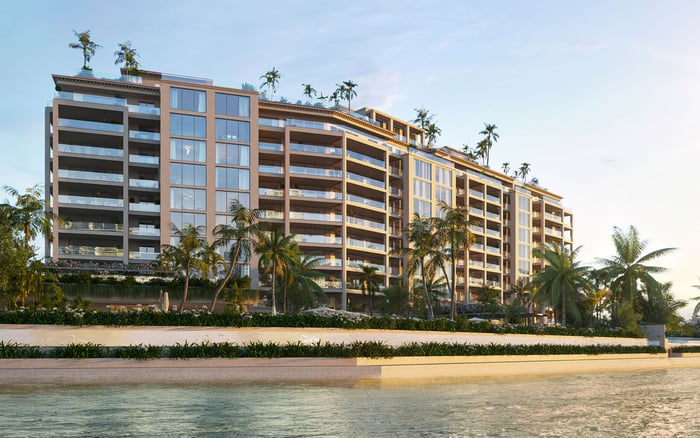
At Six Fisher Island, the practical value of an amenity depends on more than access. Buyers who entertain should examine reservation rights, guest protocols, vendor procedures, fees and the authority to amend operating rules.
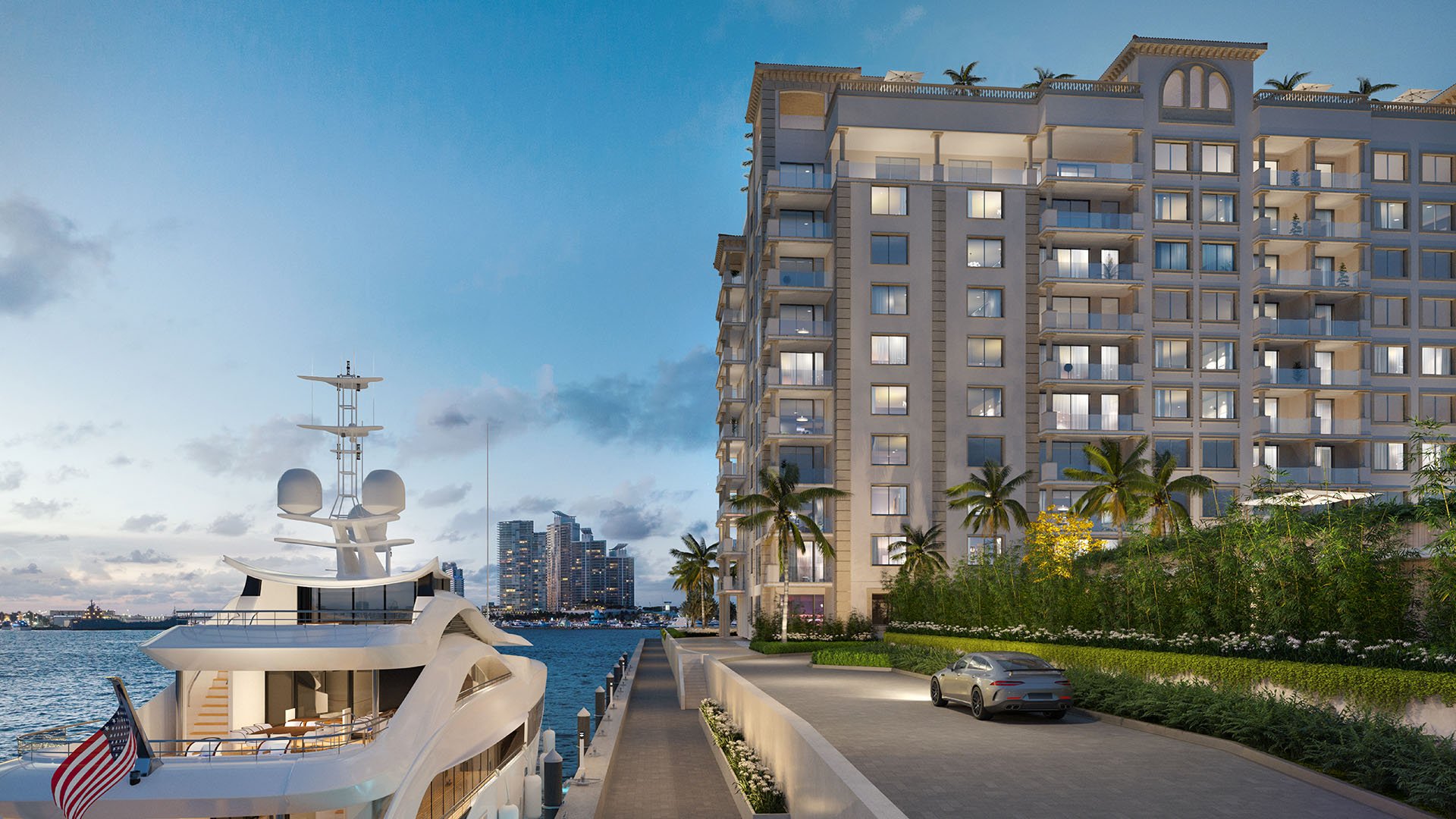
At The Residences at Six Fisher Island, privacy is inseparable from operations. The planned development is set within Fisher Island, a controlled-access private-island community near Miami Beach. For buyers who entertain, that setting raises an important question: not simply which amenities exist, but how residents may actually use them.
An ownership benefit described as amenity access does not necessarily include the right to reserve a space privately. A resident may be able to enjoy a shared space yet remain unable to close it for a dinner, reception or family celebration. The declaration, bylaws and operating rules should establish which spaces are reservable, who may book them and whether ordinary resident use takes priority.
This distinction is central to lifestyle planning. A beautifully appointed room has limited value for hosting if private functions are restricted, dates are scarce or the permitted format does not suit the owner’s entertaining style.
Reservation procedures can shape the experience as materially as the architecture. Buyers should ask how far in advance bookings open, whether residents may hold multiple reservations and how conflicts are resolved. Peak dates may be treated differently, while high-demand amenities may remain protected for general resident access.
The same inquiry applies across the island’s residential landscape, including Palazzo del Sol and Palazzo della Luna. Each property must be evaluated through its own governing framework. Proximity and a shared island setting do not establish identical booking privileges, event policies or fee structures.
Written answers should address cancellation deadlines, deposits, cleaning charges, staffing costs and responsibility for damage. An amenity included with ownership may still carry meaningful event-specific expenses.
On Fisher Island, an invitation begins before a guest reaches the building. Limited access points make transportation, registration and security procedures essential to event planning. Hosts should verify advance guest-registration requirements, screening protocols, visitor limits and any rule requiring the resident to remain present.
Arrival methods also warrant separate attention. Ferry travel, private-vessel access and other authorized transportation may interact with island security and building entry in different ways. Parking availability, valet capacity and marine-arrival procedures can affect timing, particularly when several guests are expected at once. Marina procedures should be confirmed rather than inferred from general access rights.
A building’s approval of an event may not override requirements imposed by Fisher Island Club or another island-wide entity. Buyers should identify which organization controls each stage, from the island threshold to the residence or amenity space.
Waterfront living can make entertaining feel effortless, yet discretion depends on choreography behind the scenes. Vendor credentials, delivery windows, loading routes and service-elevator reservations can determine whether a catered evening unfolds smoothly.
Buyers should confirm whether outside caterers, bartenders, planners, musicians and other professionals are permitted in both private residences and shared amenities. They should also ask whether vendors require insurance, advance approval or specific arrival instructions, without assuming any requirement until it appears in current written materials.
For buyers comparing alternative forms of island ownership, The Links Estates at Fisher Island offers another context in which access, hosting preferences and community rules merit close review. The relevant question is always operational fit, not a generalized notion of luxury.
Square footage alone does not determine how many people an owner can host. Operating rules may regulate gathering size, frequency, duration and quiet hours, as well as the resident’s responsibility for guest behavior. These provisions can matter whether an occasion takes place inside the residence, on a terrace or in a shared room.
Prospective owners should request a space-by-space explanation. For each amenity, establish whether private reservations are allowed, whether food and beverage service is permitted, which hours apply and whether residents retain access during an event. If a pool or another shared facility is involved, clarify whether private use is ever available and how demand is managed.
Current policies are only one layer of diligence. Boards and management may refine operating procedures over time, making amendment powers and enforcement practices equally relevant. Buyers should review who may change reservation rules, how notice is delivered and whether exceptions and violations are handled consistently.
The most useful pre-contract request is a complete, current document package covering the declaration, bylaws, operating rules, guest policies and available fee schedules. Because final booking entitlements and procedures should not be assumed, frequent hosts may also want written responses to a hypothetical event that specifies the guest count, preferred date, vendors, transportation plan and desired amenity.
That exercise turns an abstract amenity promise into a practical operating scenario. It can reveal whether the residence supports intimate dinners, larger celebrations or primarily private, in-home entertaining while preserving the privacy that gives the island its appeal.
Before committing, buyers who entertain should confirm:
Which condominium amenities may be reserved privately.
How booking windows, peak dates, priorities and cancellations work.
Which rules come from the condominium, club or island-wide authorities.
How guests, vendors, deliveries, vehicles and vessels are processed.
Which deposits, staffing fees, cleaning costs and liabilities apply.
Who may amend the rules and how changes are communicated.
The objective is not unrestricted access. It is an informed alignment between an owner’s preferred way of hosting and the community’s framework for privacy, service and shared use.
Does amenity access guarantee private-event rights? No. Buyers should verify whether each space is reservable and which uses are permitted.
Which documents should an entertaining-focused buyer review? Review the declaration, bylaws, operating rules, guest policies and current fee schedules.
Can a resident assume every amenity is condominium-controlled? No. Some facilities or procedures may be governed by Fisher Island Club or other island-wide entities.
Why do booking windows matter? They determine how early residents may reserve a space and can shape access to popular or peak dates.
Which guest rules deserve attention? Confirm registration, security screening, host-presence requirements and visitor-number limits.
Are outside event professionals automatically permitted? No. Permission for caterers, bartenders, planners, musicians and other vendors should be confirmed in writing.
Which service logistics can affect an event? Credentials, delivery windows, loading routes and service-elevator reservations may all shape execution.
Should marine arrivals be reviewed separately? Yes. Private-vessel and other marine-arrival procedures may involve distinct security and access requirements.
Which costs may apply beyond ownership charges? Deposits, cleaning, staffing, cancellation costs and damage liability can affect the practical event budget.
Can operating rules change after purchase? Yes. Buyers should examine amendment authority, notice procedures and enforcement practices alongside current rules.
For a discreet conversation and a curated building-by-building shortlist, connect with MILLION.
If branded residences are on your mind — as a home or as an allocation — we would be glad to share what we are seeing, privately.
Begin a quiet conversation