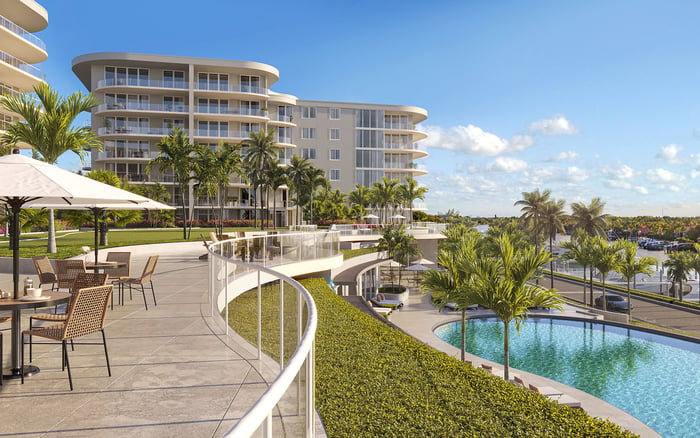
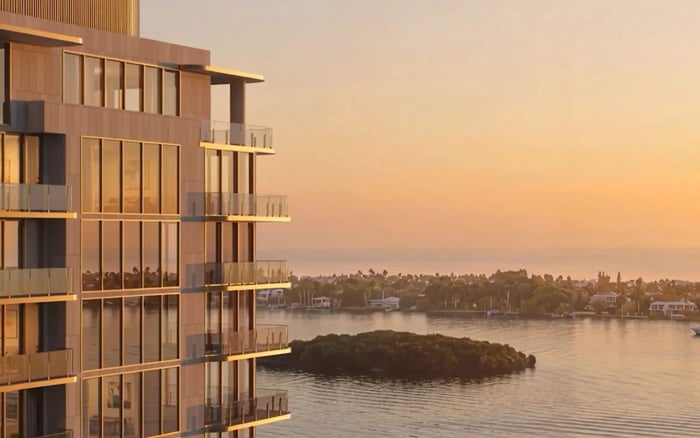
For Palm Beach buyers who entertain, evaluating shared spaces means reviewing reservation procedures, guest controls, fees, hours and access before deciding whether a residence suits their hosting style.

For a Palm Beach buyer who entertains, a social room, terrace or pool deck should be evaluated as both a physical space and an operating experience. At Palm Beach Residences, the relevant diligence includes asking how each shared area may be used, reserved and accessed.
The central question is whether the current operating framework suits the buyer's plans. An intimate dinner, a family gathering and a catered event can raise different questions about scheduling, guests, vendors, setup and cleanup. Marketing materials can introduce the amenity concept, but buyers should request the current documents that govern day-to-day use.
Buyers should ask whether a shared entertaining space requires advance booking, management approval or a completed reservation form. They should also confirm how far ahead a request can be submitted, whether booking frequency is limited and how scheduling conflicts are handled.
Cancellation terms deserve equal attention. A buyer who hosts around travel, seasonal stays or changing guest lists should understand any notice requirements and the consequences of releasing a date. Holiday availability should be confirmed separately rather than inferred from ordinary operating hours.
When comparing Forté on Flagler West Palm Beach with other Palm Beach County residences, buyers can use the same questions at each property. A consistent review makes it easier to identify which operating approach best fits an established social calendar.
A diligence review should identify any reservation fee, cleaning charge, security deposit or other event-related payment. Buyers should ask when payment is due, whether a deposit is refundable, what conditions apply to its return and who evaluates the space after use.
Vendor procedures can be just as important as the stated charge. A buyer planning catered gatherings should confirm requirements for vendor entry, deliveries, insurance, service access and removal of equipment. Written clarification can help distinguish included services from responsibilities assigned to the resident.
The goal is not to label a managed system as favorable or unfavorable. Clear procedures may appeal to one buyer, while another may prioritize greater scheduling flexibility. The relevant issue is whether the framework aligns with the frequency, scale and style of the buyer's entertaining.
A reservation for one amenity should not be assumed to include every nearby area. Buyers should ask whether a social room reservation also covers a terrace, pool deck, kitchen, lounge or other adjoining space. They should also confirm whether seating, furniture placement and setup areas are included.
Guest rules can influence both event size and arrival logistics. Useful questions include whether the resident must remain present, whether guest names must be submitted in advance and whether separate procedures apply to overnight visitors, children or service providers.
Buyers should request written information about occupancy parameters, event hours, noise expectations, smoking, pets, attire and furniture movement. These details can determine whether a planned gathering is compatible with the residence's operating culture.
A disciplined comparison should extend beyond a single property. Buyers considering The Ritz-Carlton Residences® West Palm Beach or Mandarin Oriental Residences, West Palm Beach can apply one checklist to reservation authority, booking frequency, guest access, private-event costs and adjoining amenity use.
Second-home buyers should also ask whether extended absences affect reservation procedures and whether authorized occupants may request amenity access. If a residence may be leased, the buyer should request written clarification about how amenity-use and reservation rights apply during a tenancy.
The diligence package should include the current house rules, amenity reservation forms, fee schedules, deposit terms, guest procedures, event hours, cancellation provisions and holiday restrictions, if applicable. Buyers can also request written answers about setup and cleanup windows, vendor access, deliveries, furniture movement and the treatment of adjacent outdoor areas.
Because operating documents and procedures may change, buyers should verify that they are reviewing the current versions. Questions about interpretation, approval authority and enforcement should be directed to the appropriate property representatives and professional advisers.
Does an amenity plan confirm that a space can be reserved for a private event? Not by itself. Buyers should review the current operating documents and ask how private reservations are handled.
What reservation details should a buyer confirm? Confirm advance-booking procedures, approval steps, scheduling priority, frequency limits and cancellation terms.
Should holiday availability be checked separately? Yes. Buyers should request any holiday calendar or special scheduling provisions that apply to shared spaces.
What event-related costs should be reviewed? Ask about reservation fees, cleaning charges, security deposits and any payment connected with vendors or additional services.
Does reserving a social room include a nearby terrace or pool deck? Buyers should not assume it does. Each adjoining area and its access terms should be confirmed in writing.
Which guest procedures matter for entertaining? Review accompaniment requirements, advance guest registration, arrival procedures and any rules for overnight visitors or service providers.
Why should occupancy parameters be checked? They help a buyer determine whether the intended gathering size is compatible with the reservable space.
What should a buyer ask about outside vendors? Confirm entry, delivery, insurance, service-access, setup and equipment-removal procedures.
How should a second-home buyer approach amenity diligence? Ask whether absences, authorized occupants or a tenancy affect reservation and access procedures.
Which documents are most useful before contracting? Request current rules, reservation forms, fee and deposit schedules, guest procedures, event hours, cancellation terms and any holiday restrictions.
For a tailored shortlist and next-step guidance, connect with MILLION.
If branded residences are on your mind — as a home or as an allocation — we would be glad to share what we are seeing, privately.
Begin a quiet conversation