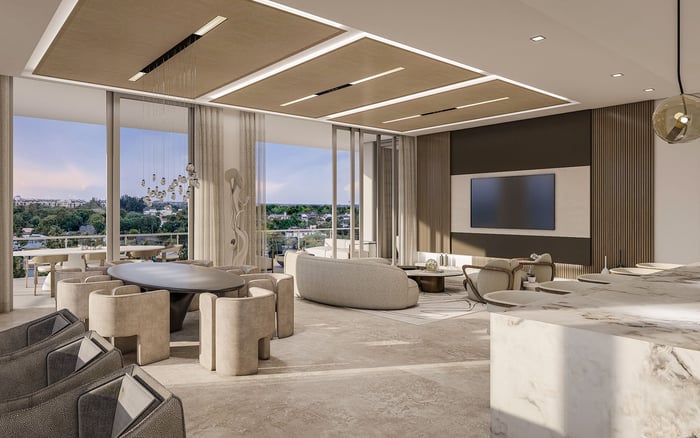
For buyers who expect to host during art week, the decisive luxury is operational control. In Palm Beach Gardens, that begins with confirming jurisdiction, reviewing community documents, mapping vendors and arrivals, and planning privacy before invitations are issued.
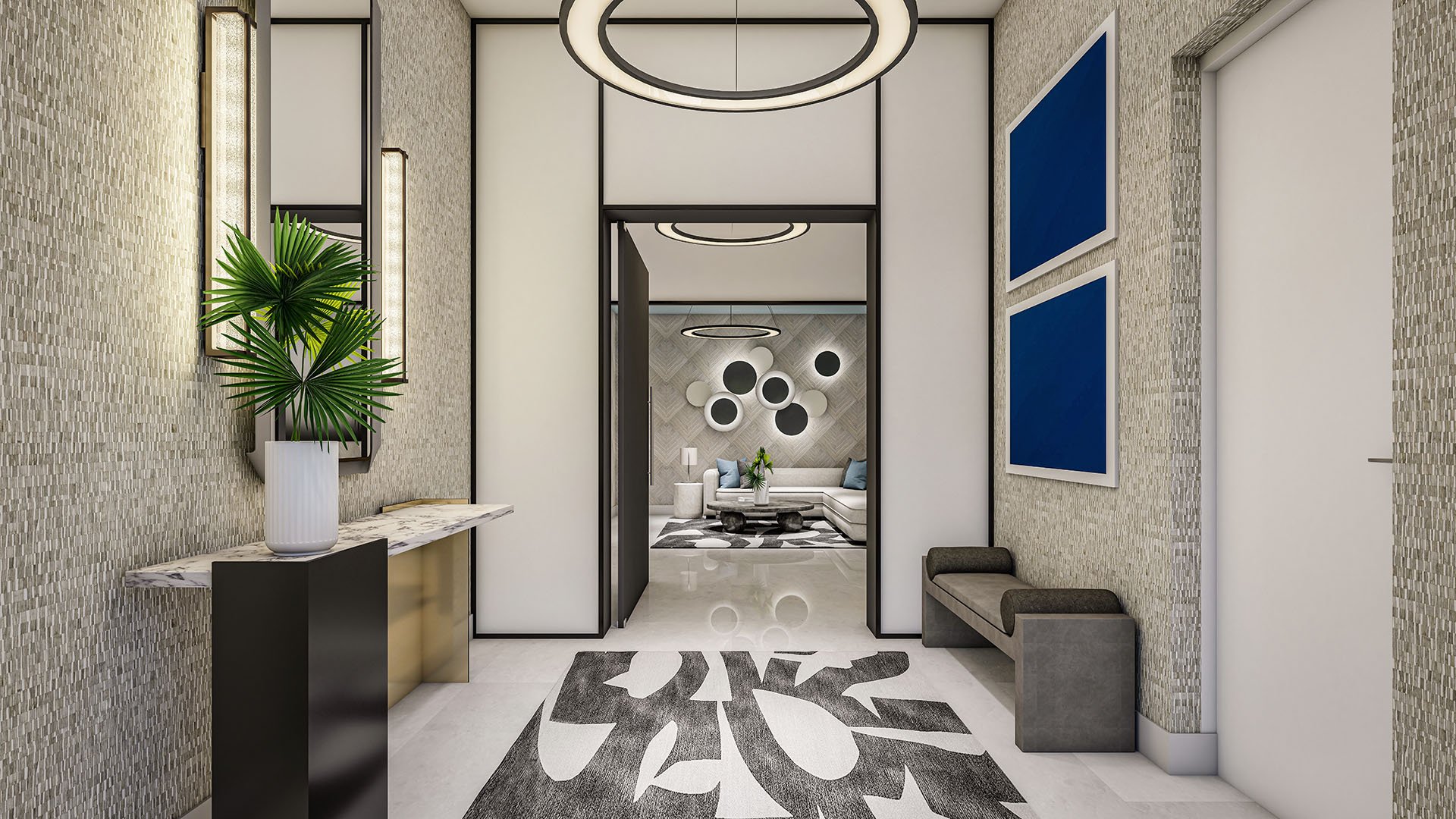
For a buyer leaving Malibu, choosing a Palm Beach Gardens residence can involve more than evaluating interiors, outdoor areas, and guest accommodations. If art-week entertaining is part of the plan, the property must also support the intended guest count, service team, arrival sequence, and level of privacy.
A private dinner and a branded gathering may require different approaches to signage, sound, traffic, photography, vendors, and shared spaces. Before issuing invitations, the owner should determine what the address and its governing documents permit and whether the proposed event fits comfortably within those limits.
Start by identifying the jurisdiction governing the property and requesting current, address-specific guidance for the proposed event. Do not rely on a nearby municipality’s procedures, a prior owner’s practices, or assumptions based on a Palm Beach Gardens mailing address.
The review should describe the gathering in practical terms: guest count, hours, catering format, alcohol service, amplified sound, temporary structures, parking, valet, security, branding, media, and vendor vehicles. Material changes to that plan should trigger another review before contracts are finalized.
Written confirmation is especially important when an event could affect streets, neighboring properties, building operations, or common areas. Local counsel and the relevant property representatives can help distinguish a routine social gathering from an event requiring additional approvals.
Review the declaration, architectural standards, security procedures, house rules, and amenity policies alongside the property’s other diligence materials. Focus on guest limits, quiet hours, commercial activity, exterior signage, vendor insurance, delivery windows, shared-space use, parking, and security procedures.
Ask for written clarification when a rule is unclear. The goal is to understand how the community classifies private dinners, charitable gatherings, sponsor-supported events, press attendance, and other formats before selecting vendors or announcing the occasion.
That discipline applies when considering The Ritz-Carlton Residences® Palm Beach Gardens. A project name or service model should not replace a review of the documents and procedures applicable to the specific residence.
Create a practical event diagram before closing or committing to a major gathering. Mark food preparation, temporary equipment, staff circulation, deliveries, waste holding, restrooms, guest access, security positions, vehicle staging, emergency access, and sightlines toward neighboring properties.
Trace each arrival from the property entrance to the event space. The plan should address guest vehicles, drivers, shuttles, caterers, florists, production teams, and security personnel without assuming that a porte cochere, driveway, loading area, or shared entrance can accommodate every activity.
Catering agreements should allocate responsibility for insurance, approvals, alcohol service, kitchen use, power, cleanup, waste removal, and equipment. Any mobile kitchen, tent, temporary structure, or production installation should remain conditional on written confirmation that it is acceptable for the property and event.
Privacy should be established through staffing, circulation, technology, and communications. Use a controlled guest list, named vendor teams, designated staff entrances, and clear photography and filming instructions. Where appropriate, agreements can address confidentiality, social posting, and the protection of neighboring properties.
Separate household systems from guest and production access where practical. Assign one lead for security, one for event production, and one for household decisions so that questions involving late arrivals, cameras, deliveries, or sound can be resolved quickly.
Sound planning should identify speaker placement, performance timing, sound checks, and a rapid volume-reduction procedure. The event team should understand who has authority to adjust or end an activity if it conflicts with a rule, approval, or privacy requirement.
Buyers considering a private home and a managed residence should evaluate each option against the same entertaining brief. Project comparisons may include Banyan Tree Residences West Palm Beach, Mandarin Oriental Residences, West Palm Beach, and The Residences at Mandarin Oriental Boca Raton, but each property still requires its own document and procedure review.
The central lifestyle question is how often the owner expects to entertain, at what scale, and with what degree of catering, branding, production, or media exposure. For a gathering that exceeds the residence’s practical or documented limits, an appropriate off-site setting may protect privacy while allowing the home to remain a controlled environment for a smaller dinner or private viewing.
Does every private dinner in Palm Beach Gardens require special approval? Not necessarily. Confirm the answer for the specific address, community, guest count, and event format before making commitments.
Why should buyers verify the property’s jurisdiction? The applicable review process depends on the property’s location. Obtain address-specific guidance rather than relying on procedures from a nearby area.
Which community documents should receive priority? Review the declaration, house rules, architectural standards, security procedures, amenity policies, and any written vendor or event requirements.
Can a caterer use a mobile kitchen or temporary equipment? Treat such equipment as conditional until its placement, operation, insurance, and required approvals have been confirmed in writing.
What should a vehicle plan include? Account for guest arrivals, valet or driver staging, vendor vehicles, deliveries, shuttles, loading, and any effect on shared access or neighboring properties.
Does branding change the planning process? It can. Signage, sponsorship, press attendance, promotional activity, and media production should be disclosed during the review.
How can an owner protect privacy during an event? Use controlled guest and vendor lists, defined circulation routes, clear filming rules, limited technology access, and designated decision-makers.
When should tents or temporary structures be evaluated? Evaluate them during initial feasibility planning, before invitations or nonrefundable vendor commitments are made.
How should sound be managed? Set expectations for speaker placement, timing, sound checks, monitoring, and immediate volume reduction if needed.
When is an off-site setting preferable? Consider one when the gathering’s scale, traffic, production, branding, or sound does not fit the residence’s rules, layout, or privacy objectives.
For a tailored shortlist and next-step guidance, connect with MILLION.
If branded residences are on your mind — as a home or as an allocation — we would be glad to share what we are seeing, privately.
Begin a quiet conversation