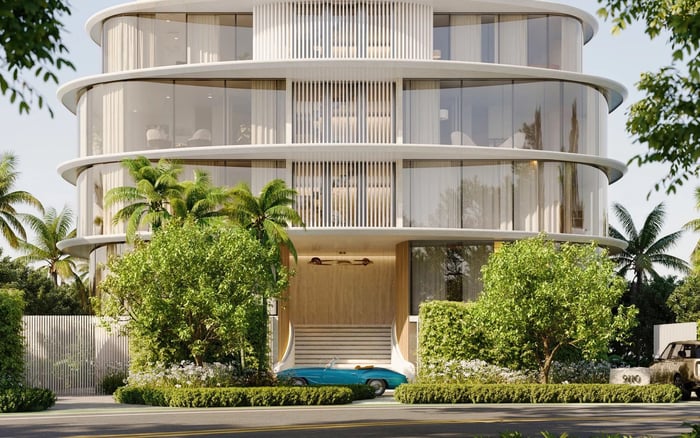
A buyer-focused framework for comparing wellness-led amenity design at ALMA and Mila Bay Harbor Islands, with emphasis on documentation, daily usability, operating costs, access, and long-term maintenance.
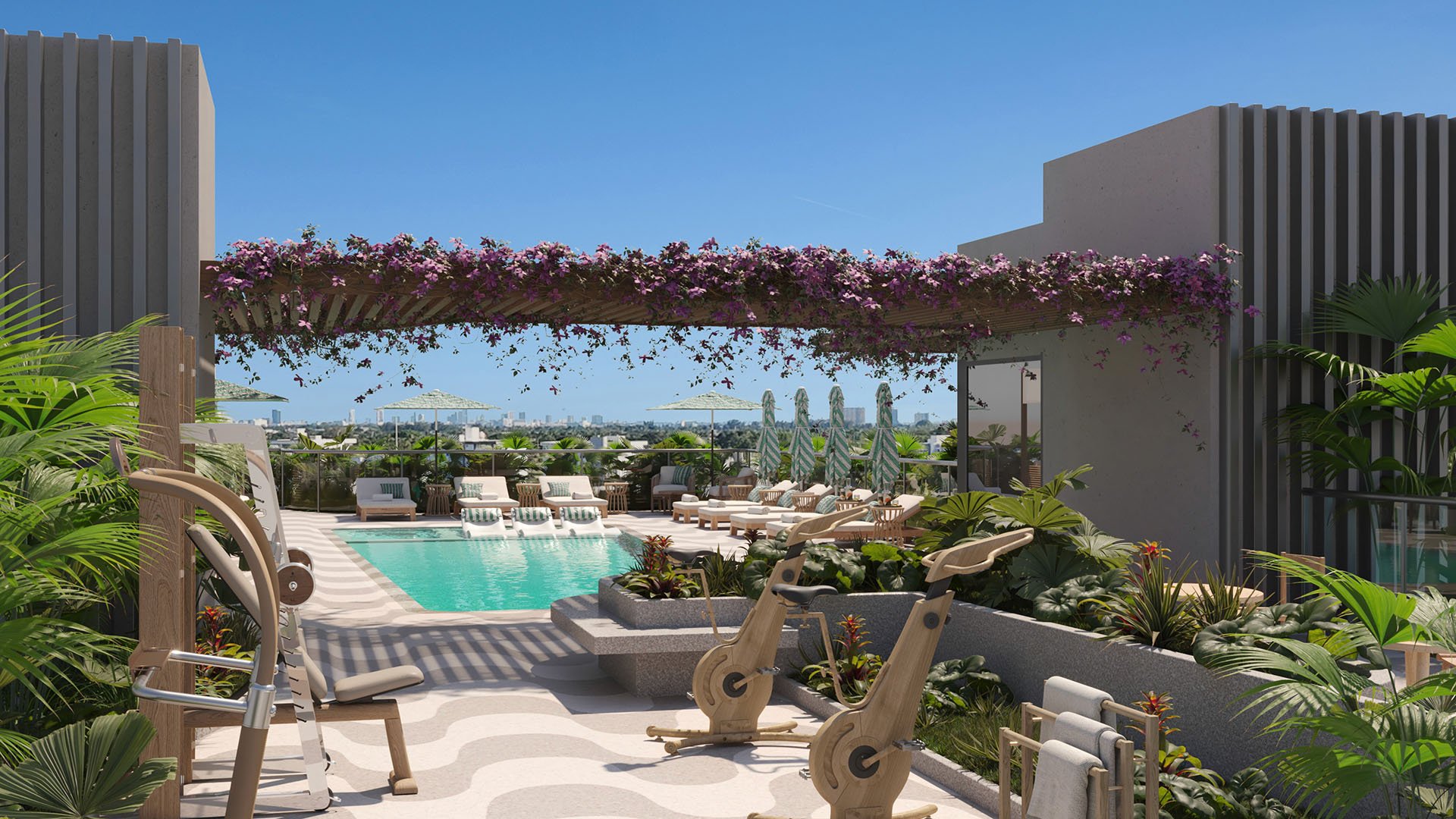
Wellness-led condominium design can extend beyond a list of equipment or a visually striking amenity deck. For buyers, the more useful questions concern how shared spaces, private residences, circulation, privacy, outdoor areas, and building operations support everyday routines.
That framework can guide a comparison between Alma Bay Harbor Islands and Mila Bay Harbor Islands. Each project should be assessed through its own current offering documents, plans, specifications, association materials, and written amenity schedule. Buyers should not transfer features or policies from one development to another.
An amenity can contribute to daily life only when it is practical to reach, comfortable to use, and compatible with a resident’s schedule. Buyers should review its location, capacity, operating hours, reservation process, guest rules, accessibility, privacy, and exposure to weather or noise.
The operating model matters as much as the physical design. A space that requires staffing, specialized maintenance, consumable supplies, or frequent equipment replacement may have different recurring costs from a simpler shared area. Buyers should determine how those obligations appear in the proposed budget and condominium documents.
Private-home design can influence comfort even when shared amenities are not in use. Floor-plan efficiency, terrace configuration, storage, bathroom functionality, ventilation, acoustic conditions, natural light, and the placement of controls or equipment all deserve review.
Marketing terms should be matched to written specifications. Buyers can ask which systems are included with the residence, which are optional, who installs them, how warranties work, and whether future replacement requires proprietary products or service providers.
Neighborhood comparisons can help buyers identify preferred building scales, layouts, private outdoor spaces, and common-area priorities. Alana Bay Harbor Islands can serve as another project to review when considering residential options in Bay Harbor Islands, but its materials should not be used to infer features at ALMA or Mila.
The same principle applies to The Well Bay Harbor Islands. A wellness-oriented identity, branded concept, or service narrative does not establish what another condominium will deliver. Every comparison should separate documented physical amenities from staffing, services, memberships, technology, and in-residence features.
For both projects, request the latest written inventory of planned or delivered amenities. Confirm each space’s location, dimensions, intended use, delivery status, access conditions, guest privileges, and any separate charges. If specialized wellness equipment is included, determine who owns, operates, maintains, insures, and replaces it.
Review the declaration, proposed or current budget, purchase agreement, plans, specifications, rules, and amenity schedule with qualified legal and financial advisers. Ask whether marketing materials are incorporated into the controlling documents and obtain written clarification when descriptions conflict or remain unclear.
Buyers should also examine parking, storage, pet rules, deposit requirements, completion or operating status, and association obligations only through current project-specific materials. These practical considerations can affect how easily a wellness-focused residence fits a buyer’s broader lifestyle and ownership plan.
Begin by identifying the routines that matter most, such as exercise, outdoor time, quiet recovery, entertaining, or working from home. Then score each project on documented availability, convenience, privacy, capacity, operating rules, and recurring cost rather than on presentation alone.
Finally, distinguish essential features from optional ones. This helps buyers recognize whether they are paying for amenities they expect to use and whether the proposed operating model appears compatible with their preferences. No direct comparison is complete until the same questions have been answered for each project using current documents.
How should buyers compare wellness amenities at ALMA and Mila? Use the same criteria for each project, including documented features, location, access, capacity, operating rules, maintenance, and recurring costs.
Can one project’s amenities be assumed to exist at the other? No. Every feature and service should be verified independently in the current documents for the specific condominium.
Why does amenity location matter? Location can affect convenience, privacy, elevator travel, noise, weather exposure, and how naturally a space fits into a resident’s routine.
What should buyers verify about specialized wellness equipment? Confirm ownership, availability, supervision, maintenance, warranties, insurance, replacement funding, and any restrictions or separate fees.
Do private-residence features belong in a wellness comparison? Yes. Layout, ventilation, acoustics, storage, bathrooms, terraces, and included systems can shape daily comfort beyond the common areas.
Which costs require close review? Examine association obligations, staffing, service contracts, equipment upkeep, replacement reserves, memberships, and separately charged services.
Should buyers rely on renderings or sales presentations? They can provide context, but buyers should base decisions on current offering documents, plans, specifications, budgets, and written agreements.
How can buyers assess whether an amenity will be useful? Consider expected frequency of use, access hours, reservations, capacity, privacy, guest policies, and the route from the residence to the space.
Why compare other Bay Harbor Islands projects? Additional projects can help clarify preferences for building scale, layouts, outdoor space, and operating style, but they are not proxies for ALMA or Mila.
What should guide the final purchase decision? The decision should reflect verified project documents, the residence itself, the operating model, expected ownership costs, and advice from qualified professionals.
To compare the best-fit options with clarity, connect with MILLION.
If branded residences are on your mind — as a home or as an allocation — we would be glad to share what we are seeing, privately.
Begin a quiet conversation