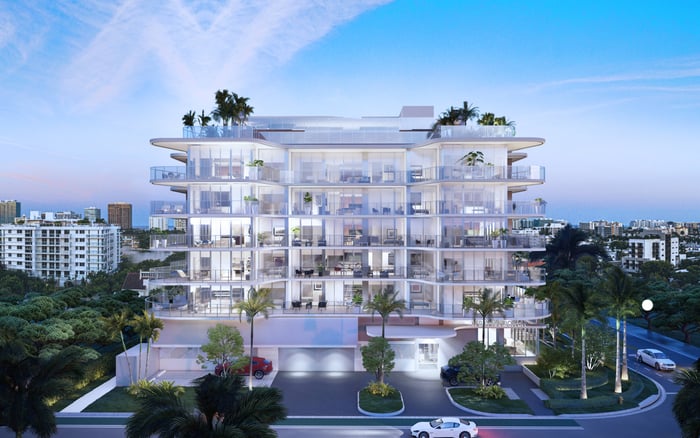
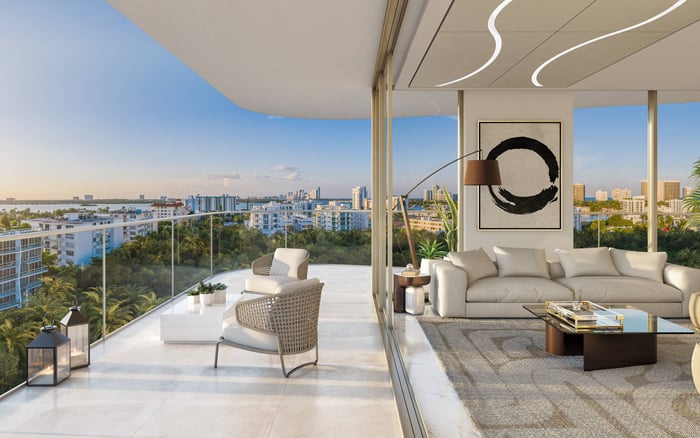
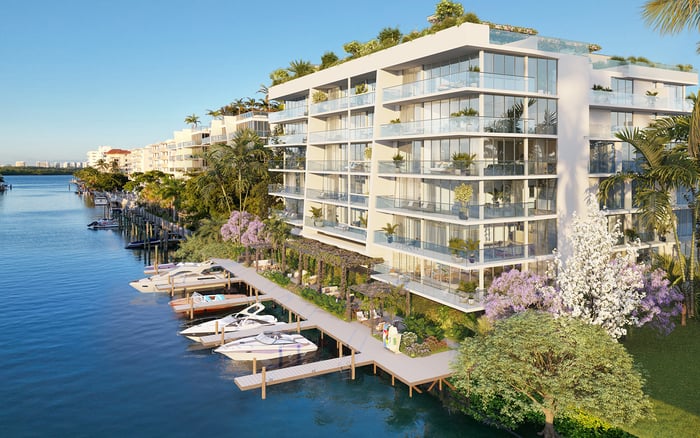
A buyer-focused editorial guide to evaluating Alana Bay Harbor Islands, Origin Bay Harbor Islands, and Mila Bay Harbor Islands through operational due diligence rather than surface-level amenity language.
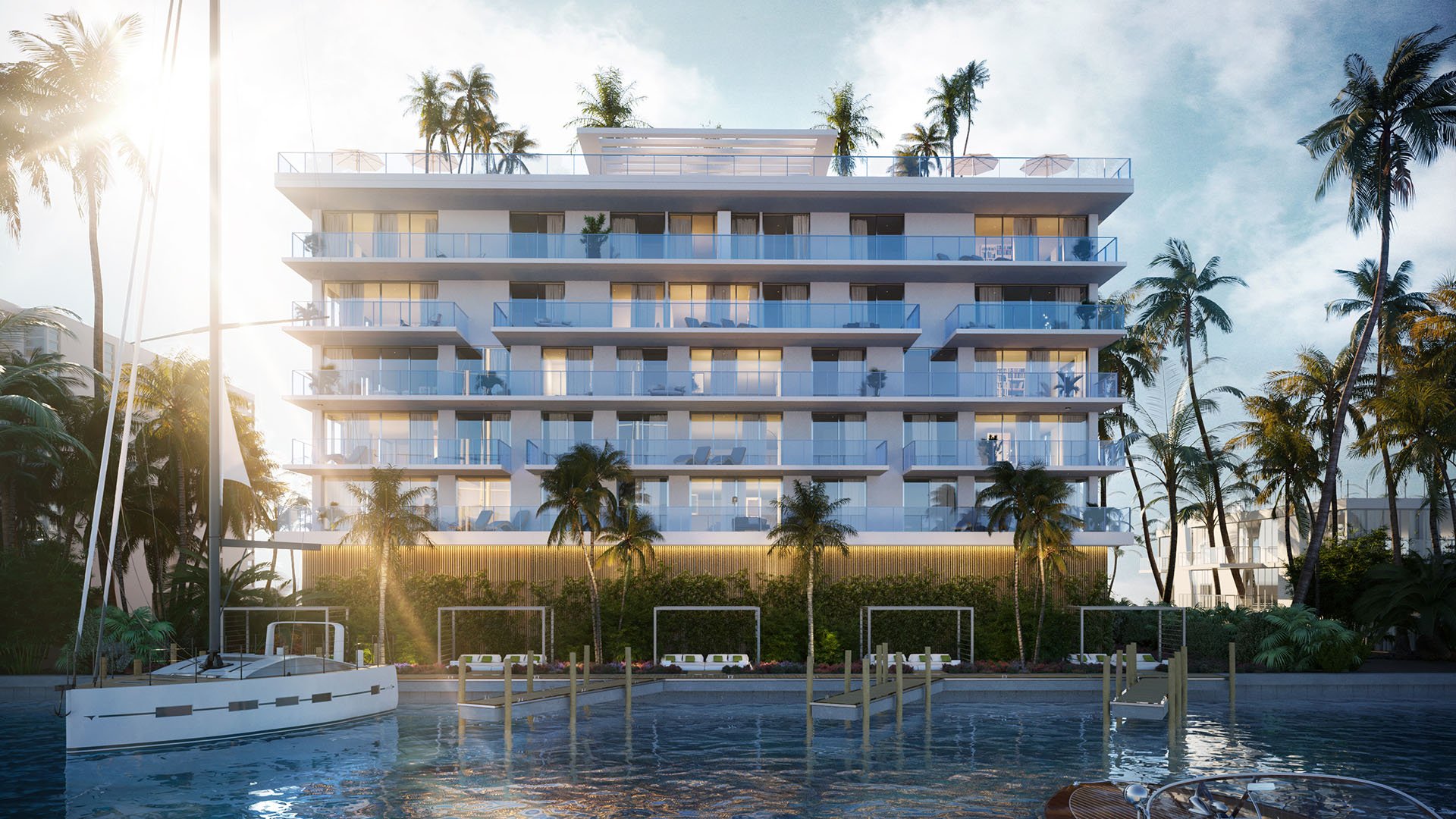
For a certain South Florida buyer, the most important questions are no longer limited to ceiling heights, appliance brands, or terrace views. In a compact, high-demand waterfront setting like Bay Harbor Islands, the more revealing questions are operational: how a resident arrives, how guests are received, how staff and deliveries move, and how marina activity is handled without disturbing the privacy luxury buyers quietly expect.
That is the useful 2026 lens for Alana Bay Harbor Islands, Origin Bay Harbor Islands, and Mila Bay Harbor Islands. Each name belongs to a boutique residential conversation where scale, discretion, and flow matter as much as design language. The right residence should not merely photograph well. It should function beautifully on a Friday evening, during seasonal guest traffic, after a provisioning run, and when a household requires service without spectacle.
Bay Harbor buyers often compare projects through lifestyle shorthand, but shorthand can obscure the details that shape daily living. A boutique building can feel intimate and elegant, yet the quality of that intimacy depends on whether the building has resolved the practical frictions of arrival, loading, parking, water access, and resident privacy.
Waterfront appeal can be immediate, but marina logistics deserve a slower review. A buyer should understand whether the building experience is designed merely around a water view or around actual waterfront use. Those are different propositions. The first is visual. The second is operational.
If a residence is being evaluated for boating convenience, the discussion should move beyond lifestyle language and into daily procedure. How is waterfront access controlled? Where do residents, guests, crew, and service providers enter? What happens when multiple households are coordinating marine activity at the same time? How are deliveries, equipment, and maintenance handled without interrupting the residential lobby experience?
The term boat slip can carry substantial emotional and practical weight, but it should always be tested carefully. Buyers should clarify whether any slip-related right is assigned, licensed, deeded, transferable, waitlisted, or otherwise limited by building rules. They should also understand insurance obligations, access hours, guest privileges, and the relationship between marina use and association governance.
In a market where waterfront convenience can influence both use value and investment logic, clarity is not a luxury. It is protection. The most elegant outcome is a building where boating logistics are neither improvised nor visible to the wrong audience. When those systems are well considered, the property feels calm even when the waterfront is active.
A guest’s first ten minutes can say more about a residence than a furnished model ever will. In a refined Bay Harbor Islands setting, arrival should feel composed rather than theatrical. The approach, drop-off sequence, lobby threshold, elevator access, and path to the residence should create privacy without making guests feel managed.
For buyers comparing Alana Bay Harbor Islands, Origin Bay Harbor Islands, and Mila Bay Harbor Islands, the guest-arrival sequence is worth walking in real time. Visit at different times of day if possible. Consider how a dinner guest arrives, how a family member with luggage is handled, how a driver waits, and how a visitor transitions from street to residence without unnecessary exposure.
Discreet luxury is often measured by what does not happen. Guests should not compete with delivery traffic. Residents should not feel observed while waiting. Staff should not need to cross the primary social path unless the building is intentionally designed that way. A calm lobby is not only a design achievement. It is the visible result of good circulation planning.
Security and hospitality also require balance. A building can be secure without feeling guarded, and welcoming without feeling porous. Buyers should look for protocols that are clear, courteous, and consistent. The experience should support both spontaneous family visits and more formal entertaining, especially for owners who use the residence seasonally.
Back-of-house design is where many luxury buildings either earn or lose their refinement. Trash, packages, deliveries, building staff, household staff, maintenance vendors, pet movement, and move-ins all require circulation. If that circulation is not thoughtfully separated, the building may still look polished, but daily life will feel less private.
This is particularly important in boutique environments, where fewer residences can create a more personal atmosphere, but also leave less margin for operational missteps. A small building does not automatically guarantee serenity. Serenity comes from planning: service access that does not intrude, loading procedures that do not overwhelm common areas, and management standards that keep movement predictable.
A serious buyer should ask how packages are received, where larger items are staged, how contractors are scheduled, how elevator use is controlled, and how the building handles peak seasonal periods. Pet policies, housekeeping access, and catering logistics can also affect the lived experience. These details are not minor. They define whether a residence can support the way a household actually lives.
The best back-of-house planning protects the front-of-house experience. It allows the resident to enjoy the polished parts of the building without constantly seeing the work required to maintain them. In that sense, operational design is a form of architecture.
Alana Bay Harbor Islands, Origin Bay Harbor Islands, and Mila Bay Harbor Islands should be considered not only as names in the same village conversation, but as distinct opportunities to test a buyer’s own priorities. One household may care most about quiet arrival. Another may prioritize waterfront access. Another may focus on how easily visiting family, staff, and deliveries can be accommodated during the season.
The disciplined approach is to create a personal operating profile before comparing finishes. How often will the home be occupied? Will it serve as a primary residence, second home, or seasonal base? Will the owner entertain frequently? Is boating central to the lifestyle, occasional, or simply part of the view? Will household staff need recurring access? Are privacy and low-friction entry more important than a dramatic amenity sequence?
Once those answers are clear, the right questions become sharper. A buyer can evaluate whether the building’s physical layout, rules, staffing model, and waterfront procedures support the intended life. This is especially useful in a market where beautiful renderings and serene language can make very different buildings sound similar.
For 2026, the most sophisticated Bay Harbor Islands buyer is likely to care less about overt spectacle and more about quiet competence. That means a residence where arrival feels natural, marina use is clear, service movement is controlled, and private life remains private. In a compact luxury environment, those qualities can become more valuable than features that are easier to market but less meaningful to live with.
A private showing should be treated as both an aesthetic visit and an operational audit. Buyers should walk the actual paths that residents, guests, vendors, and staff will use. They should ask how the building functions when it is busy, not only when it is quiet.
Start with arrival. Where does a guest pause? Who greets them? How are credentials handled? Is the transition from arrival to elevator intuitive? Then move to service. Where do deliveries enter? How are packages stored? How are contractors scheduled? Where does a housekeeper or caterer move once inside the property?
For waterfront considerations, request clarity in writing before assigning value to any marina-related feature. The goal is not to diminish the appeal of the water. It is to understand precisely what is included, what is governed by rules, and what might change over time.
The most confident purchase is rarely the one made after hearing the most glamorous description. It is the one made after the buyer understands the building’s rhythm and still feels that the residence fits beautifully.
Why is back-of-house flow important in a luxury condo? It protects privacy by separating service movement from the resident and guest experience whenever possible.
Should marina access be evaluated differently from a water view? Yes. A water view is visual, while marina use involves access rules, logistics, governance, and ongoing obligations.
What should buyers ask about a boat slip? Buyers should clarify the nature of the right, transferability, usage limits, insurance obligations, and association rules.
Why does guest arrival matter in Bay Harbor Islands? In an intimate residential setting, the first arrival sequence reveals how well privacy, security, and hospitality are balanced.
Can a boutique building still have operational challenges? Yes. Smaller scale can feel discreet, but it still requires strong planning for deliveries, staff, parking, and service access.
How should Alana Bay Harbor Islands be compared with other nearby options? It should be evaluated through the buyer’s intended lifestyle, especially arrival, service movement, waterfront expectations, and privacy.
How should Origin Bay Harbor Islands fit into a due-diligence review? Buyers should test whether its operating framework supports daily living, guest visits, and any marina-related expectations.
Where does Mila Bay Harbor Islands belong in the comparison? It belongs in the same practical review, with attention to circulation, access, building rules, and the resident experience.
Is this primarily an investment analysis? It is partly an investment analysis, but the stronger lens is livability, since operational quality can influence long-term desirability.
What is the best way to shortlist comparable options for touring? Start with location fit, delivery status, and daily lifestyle priorities, then compare stacks and elevations to validate views and privacy.
If you'd like a private walkthrough and a curated shortlist, connect with MILLION.
If branded residences are on your mind — as a home or as an allocation — we would be glad to share what we are seeing, privately.
Begin a quiet conversation