A buyer-focused editorial comparing Alana Bay Harbor Islands, Onda Bay Harbor, and Alma Bay Harbor Islands through the lens of ownership discipline, resale logic, and long-term fit before design preference.
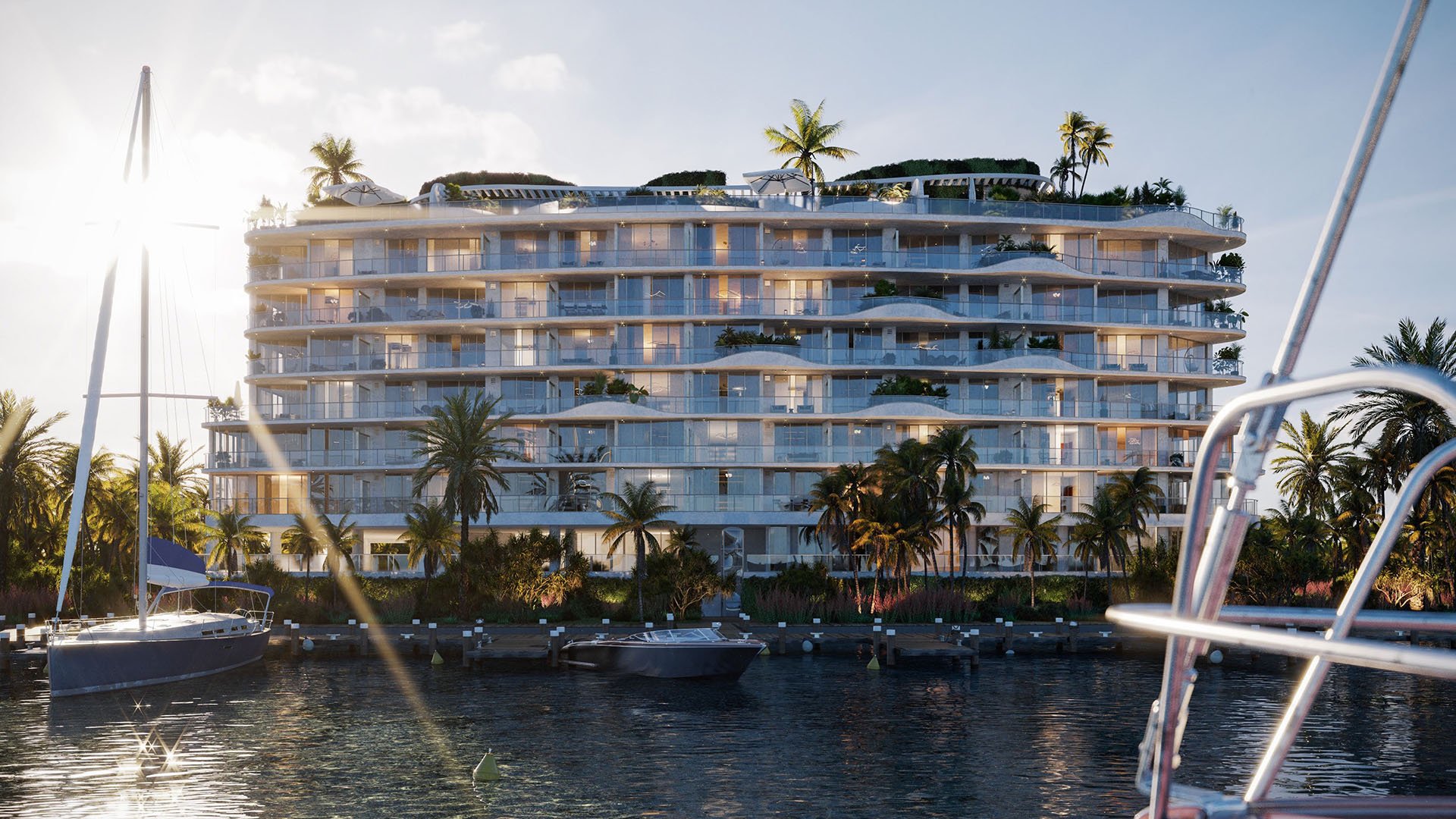
In Bay Harbor Islands, the most sophisticated purchase decision is rarely the one with the loudest architecture or the most immediately seductive interiors. It is the residence that can be explained, defended, financed, leased if necessary, and resold with minimal friction when the market begins asking harder questions. For buyers comparing Alana Bay Harbor Islands, Onda Bay Harbor, and Alma Bay Harbor Islands, the real conversation starts before the design package.
That does not diminish design’s lifestyle value. It means design should be filtered through ownership logic. A beautiful residence can still become a complicated asset if the ownership structure, association rules, rental permissions, reserve posture, buyer pool, or resale comparables narrow future demand. The disciplined buyer asks: who will want this after me, under what conditions, and with what financing confidence?
This is the lens that matters in a boutique market. Bay Harbor Islands attracts buyers who value privacy, scale, walkability, proximity to the beach corridor, and a residential rhythm that feels more discreet than Miami’s larger vertical districts. In that context, scarcity can be powerful, but only when paired with clarity.
Ownership model is not simply whether a building is new, branded, boutique, waterfront, design-forward, or amenity-led. For resale-minded buyers, it is the combined effect of documents, rules, operations, and market positioning. A condominium can feel effortless on day one and still require careful analysis of how the association governs future use.
The key variables are practical. How flexible are the leasing rules? How deep is the likely buyer pool? Does the residence appeal primarily to end users, second-home owners, investors, or a blend? Are monthly obligations aligned with the level of service and long-term maintenance expectations? Is the product easy to compare with nearby alternatives, or so specialized that resale depends on finding a highly specific buyer?
Resale discipline favors residences that are legible. A buyer should be able to understand why the home exists in the market, why its pricing makes sense, and why a future purchaser would choose it over other Bay Harbor options. In a refined neighborhood, ambiguity is rarely luxurious.
Alana Bay Harbor Islands belongs in the conversation for buyers who want boutique identity without allowing the emotional side of design to outrun the asset side of ownership. The first question is not whether the residence feels elegant. It is whether the building’s scale, governance, and likely resident profile support a stable ownership experience.
For resale-focused buyers, the appeal of a boutique setting is often intimacy. Fewer residences can create a more personal living environment and a clearer sense of community. But smaller scale also demands closer review. Association budgets, maintenance obligations, voting dynamics, and reserves can matter more when fewer owners share responsibility. The right boutique purchase should feel calm not only in the lobby, but also in the balance sheet.
Alana may suit a buyer who prioritizes a quieter ownership environment and expects to hold through more than one market cycle. That buyer should focus on document review, future carrying costs, rental flexibility, and the likely profile of the next purchaser. If the answer is a composed end user seeking Bay Harbor discretion, the resale thesis becomes easier to articulate.
Onda Bay Harbor should be evaluated through the breadth of future demand. A residence can be exquisite, but resale strength often depends on whether it can appeal to more than one category of buyer. The strongest ownership models do not depend on a single story.
For Onda, the disciplined buyer should ask whether the product can speak to the local end user, the international second-home buyer, and the purchaser seeking a refined Miami-area base without the intensity of larger resort corridors. The more plausible buyer profiles a residence can attract, the more resilient its resale path may be.
This is where design drama must be kept in proportion. If a residence is too tailored to one taste, resale can become a persuasion exercise. If the plan, setting, and ownership rules support multiple lifestyles, design becomes an accelerant rather than a risk. Onda Bay Harbor may fit buyers who want to preserve optionality: enjoy the home personally, retain future liquidity, and keep the asset understandable to the next owner.
Alma Bay Harbor Islands enters the comparison as a reminder that lifestyle fit and exit logic should be studied together. Buyers often come to Bay Harbor because they want a more residential experience than high-gloss beachfront towers. That instinct can be sound, but resale discipline still requires a precise match between how the residence lives and who will value that lifestyle later.
Alma may appeal to a buyer who wants a composed Bay Harbor address and is willing to examine the ownership package in detail before being moved by finishes. In a boutique setting, the best unit is not always the most dramatic. It may be the one with the most practical plan, the broadest future audience, and the fewest points of objection during resale.
The disciplined approach is to model the exit before signing. If a future buyer compares Alma with other Bay Harbor residences, what makes the choice rational? Is it privacy, scale, layout, location within the island environment, or a combination of these elements? A clear answer supports resale confidence.
Bay Harbor purchasing is often emotional because the neighborhood feels intimate and self-contained. That is precisely why buyers should slow down. Taste can change quickly. Liquidity is more structural.
The cleanest way to compare Alana, Onda, and Alma is to build a resale matrix before weighing design. Start with ownership documents, association structure, use restrictions, rental rules, pet rules, parking, storage, maintenance expectations, and expected monthly carrying costs. Then review the likely future buyer pool. Only after those answers are clear should the buyer compare materials, palettes, views, and amenity personality.
This order protects the purchase. It does not make the decision less luxurious. It makes it more mature. In South Florida’s premium market, true luxury is the confidence that a home can be enjoyed privately while remaining intelligible as an asset.
The buyer drawn to Alana Bay Harbor Islands may be the one who wants boutique calm and is comfortable placing governance review at the center of the decision. This buyer is likely sensitive to building scale and wants an ownership experience that feels personal rather than theatrical.
The buyer drawn to Onda Bay Harbor may be the one who wants broader future demand. This buyer cares about whether the residence can be understood by multiple audiences and whether the resale thesis remains persuasive across changing market conditions.
The buyer drawn to Alma Bay Harbor Islands may be the one who wants lifestyle alignment without sacrificing exit discipline. This buyer is likely to study plan utility, rules, and future comparability before treating design as the deciding factor.
None of these positions is inherently superior. The correct fit depends on holding period, use pattern, tolerance for association complexity, and the buyer’s need for flexibility. A primary resident, a seasonal owner, and a capital-preservation buyer may all choose differently even if they admire the same design language.
Before committing, buyers should request and review the condominium documents, association budget, rules and regulations, insurance posture, reserve approach, leasing restrictions, and any material obligations that affect future owners. Counsel, financing professionals, and building specialists should be involved early, particularly when a buyer expects the asset to remain easy to sell later.
Resale discipline also means resisting one-off upgrades that narrow appeal. Highly personal finishes may delight the first owner but complicate the second sale. The most liquid luxury residences usually balance personality with restraint: excellent proportions, durable material choices, practical storage, sensible parking, and a plan that works without explanation.
In Bay Harbor Islands, the winning purchase is not necessarily the most dramatic residence. It is the one whose ownership model, lifestyle offering, and future buyer audience work together. Design should confirm the decision, not rescue it.
Which project is best for a resale-minded buyer? There is no universal winner. The best fit is the residence with the clearest ownership rules, strongest future buyer pool, and most defensible exit logic.
Should design come after document review? Yes. For resale-focused buyers, documents, rules, costs, and governance should be studied before finishes or amenity preference.
Is boutique ownership always better for resale? Not automatically. Boutique ownership can feel private and scarce, but smaller associations require careful review of budgets, reserves, and shared obligations.
Why does rental policy matter if I do not plan to rent? Rental flexibility can affect future buyer demand. Even owner-users often value optionality when life plans or market conditions change.
How should I compare Alana Bay Harbor Islands and Onda Bay Harbor? Compare ownership documents, carrying costs, buyer audience, and future resale clarity before comparing design atmosphere.
How should Alma Bay Harbor Islands be evaluated? Alma should be studied for lifestyle fit, plan practicality, association rules, and the strength of its likely future buyer pool.
Does a dramatic interior improve resale value? Sometimes, but only if the design remains broadly appealing. Highly personal choices can reduce the number of interested future buyers.
What is the biggest resale risk in Bay Harbor Islands? The biggest risk is buying an asset that feels desirable personally but is difficult for the next buyer to understand, finance, or justify.
Is resale more important than lifestyle enjoyment? It should not replace enjoyment, but it should frame the decision. The strongest purchases satisfy both daily living and future exit discipline.
What should a buyer review before making an offer? Review documents, rules, budget, reserves, insurance, financing conditions, leasing policy, and the likely profile of the next purchaser.
For a confidential assessment and a building-by-building shortlist, connect with MILLION.
If branded residences are on your mind — as a home or as an allocation — we would be glad to share what we are seeing, privately.
Begin a quiet conversation