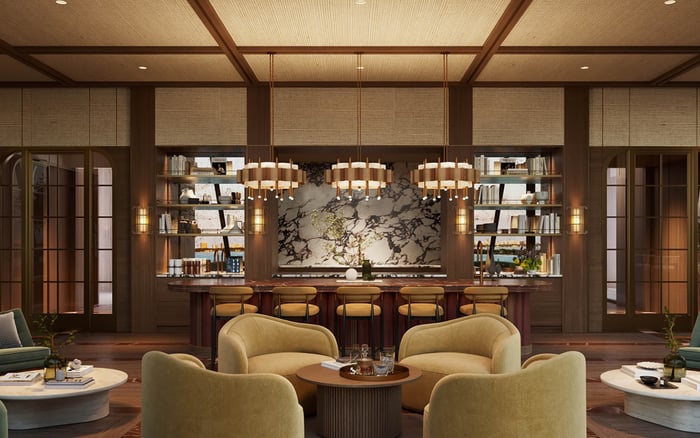
Edgewater buyers should evaluate private dining as an operating system rather than a visual amenity. This guide outlines how to review catering access, event controls, reservation procedures, costs, and seasonal planning before selecting a residence.

In Edgewater, an attractive private dining room may add atmosphere, but its practical value depends on how residents can use it. Buyers who entertain should determine whether a space is simply reservable or supported by catering facilities, staff, service procedures, and reliable guest access.
Start by defining the occasions the residence must accommodate. An intimate dinner has different operational needs from a reception, catered celebration, or recurring gathering. The right fit depends on the expected guest count, preferred service style, frequency of use, and importance of indoor or outdoor space.
A useful comparison begins with three broad models. The first is an unstaffed amenity room that residents reserve and arrange independently. The second adds infrastructure such as a catering or preparation kitchen. The third integrates broader hospitality services, potentially including culinary support, provisioning, reservations, or event coordination. Buyers should verify which model applies rather than relying on amenity names or renderings.
Residences to include in an Edgewater comparison may include Villa Miami, EDITION Edgewater, Aria Reserve Miami, and The Cove Residences Edgewater. For each option, request current written materials describing the dining spaces, service structure, reservation process, and applicable charges. Do not assume that similarly named amenities operate in the same way.
Ask whether the building supplies staff or requires the resident to hire vendors. Confirm whether an outside chef can enter, which kitchen areas may be used, how food deliveries are handled, and whether service elevators must be scheduled. If integrated billing, provisioning, or concierge coordination matters, verify its availability and terms in writing.
Request the governing documents, current rules, reservation agreement, catering policy, and fee schedule relevant to private events. Buyers should review them with appropriate counsel and advisers because each property may set its own conditions for residences and common areas.
Key questions include guest limits, event duration, music controls, alcohol service, vendor approval, insurance, security, elevator access, deliveries, cleanup, and refundable or nonrefundable deposits. Clarify whether a planner or household representative may manage a booking for the owner and whether reservations can be transferred.
Commercial-use provisions also deserve attention. A private social dinner and a paid, sponsored, filmed, or business-related gathering may be treated differently under building documents. Buyers should not make commitments until the proposed use has been checked against the applicable rules.
For outdoor entertaining, ask what happens if weather makes a terrace unavailable. A written contingency should address relocation, reduced capacity, cancellation, rescheduling, and the treatment of deposits or other charges.
Peak-season planning should begin with the building’s actual booking calendar rather than a generic lead-time assumption. Ask when reservations open, whether holiday dates follow separate procedures, whether owners receive priority, and how competing requests are resolved.
Before submitting a request, establish the guest count and choose between seated, reception-style, or mixed service. Then obtain the capacity, deposit, minimum spending requirement if applicable, staffing terms, service charges, cancellation policy, and weather plan in writing. Capacity should always be confirmed for the intended setup because a standing reception and a seated dinner may have different limits.
Test the process before purchasing. Ask how the building would handle a weekend dinner, a seasonal celebration, and an in-residence catered meal. The responses can reveal whether the amenity is compatible with the buyer’s schedule and preferred level of service.
The room charge, if any, is only one part of an event budget. Request an itemized explanation of potential staffing, security, cleaning, rentals, corkage, delivery, valet, and vendor-access costs. Also ask which amounts are deposits, which are fees, and what circumstances affect refunds.
Frequent hosts may place greater value on coordinated service and predictable booking procedures. Occasional hosts may prefer a polished room with straightforward rules and limited overhead. Buyers planning larger gatherings should focus on guest circulation, loading access, vendor controls, elevator scheduling, and dependable indoor alternatives.
The best private-dining amenity is not necessarily the most elaborate. It is the one whose documented operation supports the owner’s actual entertaining style without avoidable friction.
Is a private dining room the same as a staffed restaurant? No. A private dining room may be only a reservable space, while staffed food-and-beverage service requires separate confirmation.
Which Edgewater residences can buyers include in a dining-amenity comparison? Buyers may compare Villa Miami, EDITION Edgewater, Aria Reserve Miami, and The Cove Residences Edgewater while verifying each property’s current written terms.
What documents should a buyer request? Request the governing documents, current event rules, reservation agreement, catering policy, and fee schedule.
Can residents use an outside chef or caterer? That depends on the property’s rules. Confirm vendor approval, insurance, kitchen access, deliveries, staffing, and cleanup requirements.
Can an owner hold a paid or business-related event? Do not assume so. The proposed use should be reviewed against the property’s commercial-use and event provisions before any commitment is made.
What should a private-event quote include? It should identify capacity, deposits, fees, staffing, service charges, cancellation terms, and any weather contingency.
How early should a peak-season reservation be made? Ask when the building’s calendar opens and whether holidays or high-demand dates use separate booking procedures.
Does a stated capacity apply to every event format? Not necessarily. Confirm the permitted number for seated dining, standing receptions, and any mixed setup.
What matters most for outdoor entertaining? Obtain a written plan covering weather-related relocation, capacity changes, cancellation, rescheduling, and deposits.
Should private dining influence a purchase decision? Yes, if entertaining is important to the buyer and the documented service model, costs, and rules fit the intended routine.
For a confidential assessment and a building-by-building shortlist, connect with MILLION.
If branded residences are on your mind — as a home or as an allocation — we would be glad to share what we are seeing, privately.
Begin a quiet conversation