Eighty Seven Park’s second-home appeal deserves an operational review alongside its oceanfront amenities. Medical-equipment power, caregiver parking and emergency responder access require unit-specific, written confirmation before a buyer relies on them.
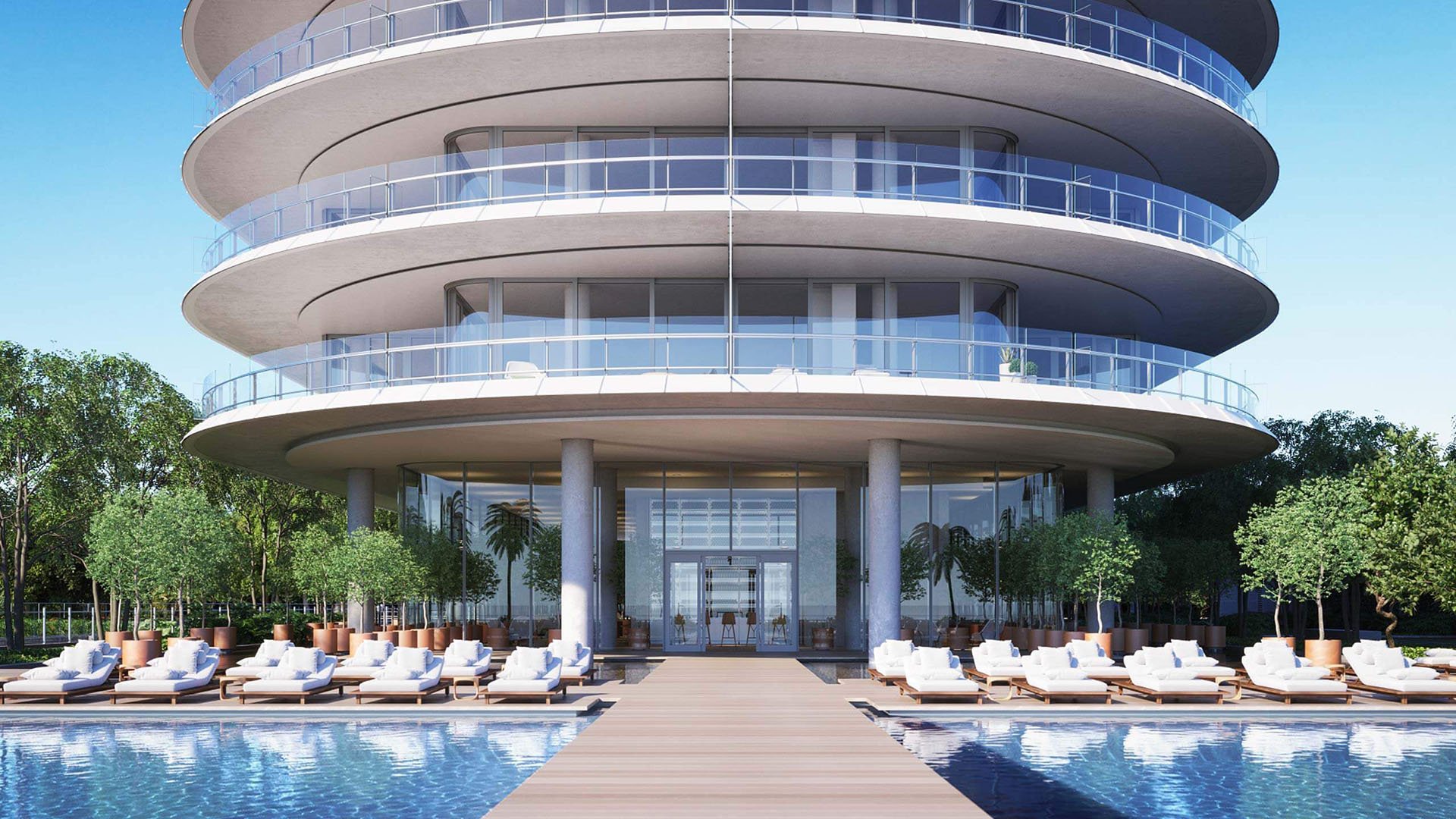
For a second-home buyer who uses medical equipment or travels with a caregiver, luxury includes settling in without renegotiating essential routines. At Eighty Seven Park Surfside, the purchase decision should therefore turn on three practical questions: what powers the equipment, where a caregiver parks, and how emergency responders reach the residence.
The property’s listed address is 8701 Collins Avenue, Miami Beach, FL 33154, although it is also marketed under Surfside. Confirm municipal jurisdiction through title or official property records before applying local parking or generator rules. The neighborhood label is no substitute for that determination.
Two oceanfront pools, a gym and a spa establish a leisure offering-not medical support. Medical-equipment power, caregiver-specific parking privileges and emergency responder procedures remain unverified. That calls for documentation; it does not mean those provisions are absent.
The electrical review should begin with the buyer’s actual devices. An oxygen concentrator, CPAP machine or other prescribed equipment should not be treated as an interchangeable household appliance when planning a purchase. Ask the equipment provider or treating clinician to define operating requirements and acceptable interruption limits, then have a qualified electrical professional assess the proposed residence against them.
Unit electrical capacity, generator-backed outlets, backup duration and a building policy supporting these devices remain unverified. Even a statement during a viewing that the building has emergency power would leave the central question unanswered: does it supply the particular outlet and equipment the resident needs?
Request written clarification covering:
The unit’s relevant circuits and whether any outlets receive backup power.
Which systems remain powered during an outage, and under what conditions.
Any transfer interruption, operating limits and documented backup duration.
Approval requirements for a professionally specified in-unit battery solution.
Direct these questions to the association, property manager and building engineer, with the seller supplying unit-specific records. Do not test outage behavior by disconnecting essential equipment. Have the care team and equipment provider establish the resident’s contingency plan separately from the real-estate transaction.
If Fendi Château Residences Surfside is also on the shortlist, apply the same device-by-device review there. Neither a prestigious address nor an amenity package establishes electrical resilience.
Parking is described as underground, with one space for one- and two-bedroom residences and two spaces for residences with three or more bedrooms, plus valet service for additional vehicles. Treat these allocations as starting points for inquiry, not guaranteed rights attached to every purchase.
Unit-level details show why precision matters. Unit 1103 is described with one assigned, covered garage space. Unit 904 is described with one covered garage space and valet among its parking features. Unit 1605 is advertised with private elevators and self-parking, so describing the entire building as valet-only would be unsupported.
A caregiver’s working day raises different questions from an occasional dinner guest’s visit. Obtain the current rules for recurring visitors, overnight stays, additional vehicles, valet charges, accessible loading and temporary parking. Ask whether a caregiver may use an owner’s assigned space, whether separate authorization is required and what happens when two caregivers overlap during a shift change.
Then inspect the actual route from the permitted parking or drop-off location to the residence. Assess it against the household’s mobility and equipment needs, rather than a general assurance of convenient arrival. Clarify who can approve exceptions and whether approval remains valid across return visits.
The purchase file should identify the specific unit’s deeded or assigned spaces and the current association rules governing their use. A verbal promise of easy parking is not documented permission for an overnight caregiver.
Residents can register frequent visitors for faster access. That helps with recurring arrivals, but it does not establish caregiver privileges, ambulance access or emergency entry procedures.
Request the documented ambulance and fire arrival route, building-entry procedure, elevator access arrangements and outage contingencies. Ask management to explain each transition: arrival at the property, entry through controlled doors, access to the appropriate elevator and arrival at the residence. Where necessary, seek clarification from the responsible emergency services rather than treating a sales explanation as an operational plan.
Private elevators are advertised for Unit 1605. That feature alone does not establish how responders gain access or what happens when normal power is unavailable. For the residence under consideration, ask about access credentials, responder overrides and the procedure if the usual elevator route cannot be used.
A scheduled walkthrough with management can make these questions concrete without simulating an emergency. Include the caregiver where appropriate, and ask who maintains the household’s authorized contacts. Provide only the personal information needed for the agreed arrangements; a property purchase does not require circulating a detailed medical history.
Seasonal ownership adds a practical test: can the household repeat its arrangements after time away? Before each return, reconfirm caregiver authorization, parking permissions, emergency contacts and any approved equipment arrangements. Ask who communicates changes to access rules or building operations while the residence is unoccupied.
Keep the power review separate from electric-vehicle charging. The historical 2021 version of Florida Statutes §718.113 protected qualifying owner-installed charging stations in certain designated parking areas, subject to conditions, with installation, operation, maintenance, repair and insurance costs assigned to the owner. It does not confirm current law or establish a right to medical-equipment backup power. Any relevant legal question warrants a current review by counsel.
For buyers also considering The Surf Club Four Seasons Surfside, use the same written checklist rather than presuming equivalent arrangements. Compare documented power support, caregiver permissions and emergency access before allowing lifestyle preferences to decide the shortlist.
At Eighty Seven Park, the verdict remains conditional: the disclosed amenities and parking arrangements justify further consideration, but they do not establish suitability for a household with medical-equipment needs. Ask counsel to identify which essential approvals or representations should be documented before the purchase proceeds.
The strongest second-home decision is one in which the residence supports the household’s routines without relying on informal exceptions. Here, that confidence must come from a unit-specific electrical review, written caregiver arrangements and a clearly explained emergency access plan.
For a discreet second-home search centered on your household’s priorities, connect with MILLION.
If branded residences are on your mind — as a home or as an allocation — we would be glad to share what we are seeing, privately.
Begin a quiet conversationIts listed address is 8701 Collins Avenue, Miami Beach, FL 33154, although it is also marketed under Surfside. Confirm municipal jurisdiction through title or official property records.
Unit electrical capacity, generator-backed outlets, backup duration and medical-device policies remain unverified. Obtain written, unit-specific confirmation before relying on any provision.
The equipment provider or treating clinician should define the equipment’s requirements, and a qualified electrical professional should assess the residence. The association, property manager and building engineer should clarify building provisions.
Reported arrangements provide one space for one- and two-bedroom units and two for units with three or more bedrooms. Verify the specific residence’s deeded or assigned spaces and current rules.
The evidence does not support that characterization. Unit 1605 is advertised with self-parking, while other descriptions include garage spaces and valet service.
Caregiver-specific parking privileges remain unverified. Request written rules covering recurring visits, overnight stays, additional vehicles, charges and shift overlaps.
The property-management portal allows residents to enter frequent visitors for faster access. This does not by itself establish parking privileges or emergency entry arrangements.
Request the documented ambulance and fire arrival route, entry procedure, elevator access arrangements and outage contingencies. Confirm the route to the particular residence being considered.
No. Those amenities do not establish medical-equipment power support or emergency readiness.
No. The cited 2021 statute concerns qualifying owner-installed EV charging stations, not medical-equipment backup power, and does not verify current law.