Eighty Seven Park’s advertised wellness amenities are only the starting point for ownership diligence. A practical review separates the gym, classes, pools, and spa offering from the reservation rules, trainer permissions, and acoustic protections buyers should confirm in writing.

For a buyer considering Eighty Seven Park Surfside, the most useful wellness question is not simply whether the building has a gym. It is whether that gym supports a preferred routine: an early workout, a standing appointment with a trusted trainer, or a quiet session without competing music. An amenity’s value to an owner depends on access, permissions, and the experience of using it.
The oceanfront condominium is at 8701 Collins Avenue, Miami Beach, FL 33154. Its advertised offering includes a gym with state-of-the-art equipment, health coaching, and private and group classes. Those features establish the wellness offering, but not the operating rules that shape daily use.
The distinction matters: a private class does not necessarily confer permission to bring a personal trainer, and a wellness setting is not evidence of sound isolation. Buyers should treat these as separate diligence questions, not implied benefits.
Despite the title’s Surfside framing, the tower sits across the municipal boundary in Miami Beach. Surfside regulations should not automatically be applied to the property. For noise questions or other municipal requirements, confirm the applicable jurisdiction before drawing conclusions about permitted activity or enforcement.
Association rules require a separate review. Request the declaration, bylaws, current house rules, and relevant amenity policies. Municipal standards are not a substitute for internal operating requirements.
A buyer also considering Arte Surfside should keep each property’s documents distinct. Neither a neighboring address nor a similar amenity description establishes shared booking procedures, trainer permissions, or noise rules. The comparison should be building-specific from the outset.
Detailed booking procedures for gym use, classes, and private training remain unconfirmed. Whether advance reservations are mandatory or particular hours are reserved for private training is unresolved. That does not mean no policy exists; buyers should obtain the current policy directly.
Start with a realistic scenario. If your routine requires three weekly sessions at a particular hour, ask management whether that arrangement is permitted and how availability is allocated. Clarify whether equipment access and class attendance follow different systems, whether recurring bookings are possible, and whether a private session limits other residents’ access.
Ask about booking windows, session duration, cancellations, waitlists, and any applicable charges. These are questions to resolve, not established Eighty Seven Park requirements. If uninterrupted scheduling matters to your purchase decision, a general assurance that the gym is available is not enough.
A useful written response should identify the current procedure, who administers it, and which document governs access. Keep it with the association materials so your lifestyle expectations rest on something more durable than a tour conversation.
Health coaching and private classes are advertised, but that offering does not establish outside-trainer access. Building-specific certification and insurance requirements, along with any approved-trainer list, remain unconfirmed. It would be premature to assume either unrestricted access or a blanket prohibition.
For an owner with an existing trainer, permission comes first. Ask whether residents may engage an independent professional, whether management approval is needed, and whether permission is limited to certain spaces or times.
Then address credentialing. Request the actual policy covering certifications, insurance documentation, registration, renewals, and any applicable guest or vendor procedures. Ask whether substitutes require separate approval and whether the resident must remain present throughout the session. None of these conditions should be treated as an existing requirement without confirmation.
The practical goal is to determine whether your chosen professional can deliver your intended sessions under the building’s current rules. A trainer’s qualifications and the association’s permission to enter are distinct issues; satisfying one does not resolve the other.
Building-specific decibel limits, internal amenity quiet hours, and rules governing speakers, music, and headphones remain unconfirmed. Soundproofing performance and physical acoustic controls are also unestablished. Luxury positioning is no substitute for confirmation of either the rules or the acoustic protections.
Separate the inquiry into conduct and construction. For conduct, ask about amplified instruction, personal speakers, shared audio, weight handling, and hours of operation. Clarify how residents submit complaints, who responds, and what enforcement process applies. A quiet-hours provision alone would not answer every question about daytime disturbance.
For construction, request any available documentation concerning gym flooring, equipment isolation, and sound transmission to adjoining spaces. If a particular residence raises concerns, consider an assessment by a qualified acoustic professional rather than relying on finishes or the atmosphere during a brief visit.
Where access permits, visit during the hours you expect to use the facilities and spend time in the residence under consideration. A visit offers a useful impression, not proof of acoustic performance. Buyers comparing 57 Ocean Miami Beach should apply the same questions independently rather than assume equivalent controls.
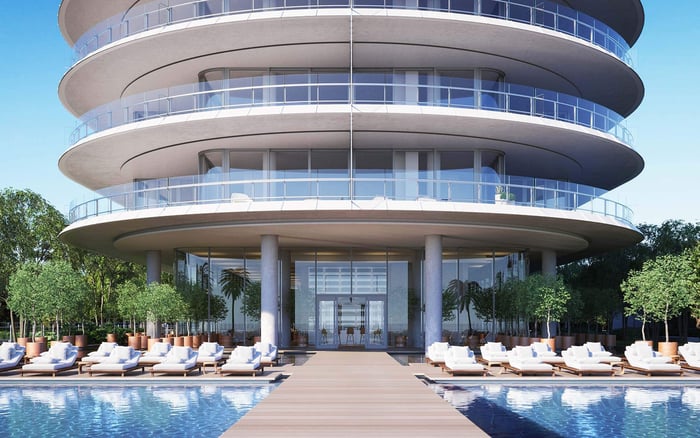
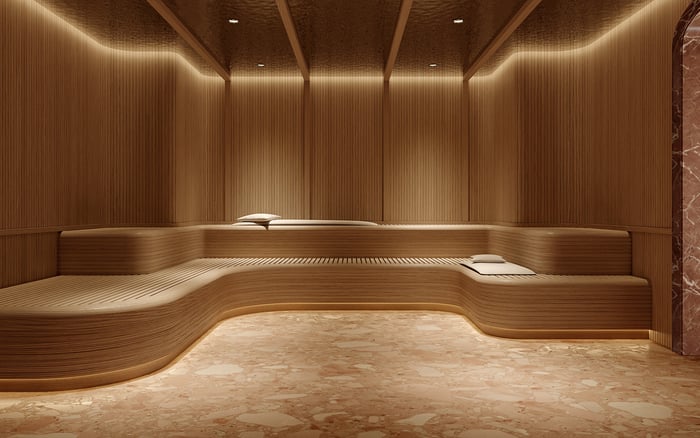
The wider offering includes two ocean-facing swimming pools, cabanas, poolside services, direct beach access, and beachside services. The advertised spa offering includes sauna or steam rooms and private treatments. Concierge, valet, and 24-hour security are also part of the advertised service profile.
These features broaden the ownership experience, but they do not resolve fitness access. Ask separately whether treatments, cabanas, or other wellness spaces have reservation procedures, guest restrictions, or charges. Do not assume a gym policy governs the pool or that access to one service includes another.
For residents who want to move from training to a treatment or beach visit, the question is whether the confirmed schedules and access rules work together. Evaluate the sequence you actually intend to use.
Before purchase or lease, assemble the declaration, bylaws, current house rules, amenity reservation policy, and written fitness and trainer policy. Request written answers on outside professionals, credentials, insurance, audio restrictions, quiet hours, and complaint enforcement. If an answer conflicts with a governing document, seek clarification before relying on it.
The ownership test is straightforward: can the building accommodate your preferred schedule, your chosen form of instruction, and your tolerance for sound? Eighty Seven Park’s advertised amenities are a starting point. The decisive step is to match that offering to confirmed operating terms, without mistaking an unanswered question for an absent rule.
For a discreet, ownership-focused perspective on South Florida residences, explore MILLION.
If branded residences are on your mind — as a home or as an allocation — we would be glad to share what we are seeing, privately.
Begin a quiet conversationEighty Seven Park is an oceanfront condominium at 8701 Collins Avenue, Miami Beach, FL 33154.
No. The tower is across the municipal boundary in Miami Beach, so buyers should confirm the applicable jurisdiction and review association rules separately.
The advertised offering includes a gym with state-of-the-art equipment, health coaching, and private and group classes.
The public amenity descriptions do not establish whether reservations are mandatory. Request the current booking policy from management.
Dedicated private-training hours are not established in the public amenity information. Ask management whether private sessions affect general resident access.
Outside-trainer permission remains unresolved in the public amenity information. Advertising private classes does not establish permission to bring an independent trainer.
Building-specific certification and insurance requirements are not established in the public amenity information. Obtain the current written trainer policy before arranging sessions.
Building-specific decibel limits, amenity quiet hours, and speaker or headphone rules are not established in the public materials. This does not mean such policies do not exist.
The available information does not establish soundproofing performance or physical acoustic controls. Request relevant documentation and consider a qualified acoustic assessment if sound is a purchase concern.
Request the declaration, bylaws, current house rules, amenity reservation policy, and written fitness and trainer policy. Obtain written clarification of access permissions, acoustic rules, and complaint enforcement.